How to Juice Oranges
Cut oranges across the middle and press each half cut-side down on a citrus reamer to make fresh juice. For a countertop juicer, follow its instructions, strain out seeds if needed, and chill the juice promptly.
On this page (7 sections)
- How do you juice oranges with a citrus juicer?
- Which oranges make good fresh juice?
- How can you get more juice from each orange?
- How do you juice oranges without a juicer?
- Which juicer suits a batch of oranges?
- How should you handle and store fresh orange juice?
- How do you choose a method for juicing oranges?
To juice oranges, cut each fruit across the middle and press the halves on a citrus reamer, then strain seeds if desired. For a manual tool comparison, see stainless steel manual juicers.
For larger batches, a countertop citrus juicer can collect the juice in a pitcher or reservoir as you work.
Choose oranges that feel heavy for their size and give slightly when pressed. Wash and dry the fruit, roll it on the counter to loosen the juice, then cut it crosswise through the center.
How do you juice oranges with a citrus juicer?
Cut the orange in half across its middle, then press the cut side onto the reamer. Turn the fruit as you press so the cone reaches more of the flesh.
For a manual reamer, hold it over a bowl and rotate each half by hand. For a hinged press, follow how to use a citrus press.
For an electric citrus juicer, place the cut half on the cone and use the controls or pressure method described in its instructions.
Strain the juice through a fine sieve if you want fewer bits of pulp or need to catch seeds. Taste before adding anything; ripe oranges are often sweet enough on their own.
What should you do before juicing?
Wash the peel under running water and dry it with a clean towel. Dirt on the outside can transfer to the cut surface as the knife passes through.
Roll the orange firmly under your palm on a clean counter for a few seconds. This can make the fruit easier to press, especially if it is cool and firm.
Use a stable cutting board and a sharp knife. Cut across the equator of the orange, not from stem to base, to expose a broad surface for a reamer.
Which oranges make good fresh juice?
Choose ripe oranges that feel heavy and have firm, unbroken skin. Weight is a useful quick clue because an orange with more juice tends to feel substantial for its size.
Valencia oranges are commonly chosen for juicing, while navel oranges are a practical option when they're easy to find. Sweetness and yield vary by fruit, so taste a small amount before juicing a large batch.
Skip fruit with mold, leaking spots, or a fermented smell. A little green color on the peel doesn't always mean an orange is unripe, so check its firmness and smell as well.
How can you get more juice from each orange?
Use room-temperature fruit, roll it before cutting, and press with steady pressure. Turn each half as you work so the reamer contacts more of the segments.
Don't press so hard that the orange slips or the rind folds over the cone. Stop when the pulp is mostly scraped out; pressing the peel aggressively can add more bitter taste.
The amount you get depends on the orange's size, variety, ripeness, and juicer. For a practical estimate, see how much juice you can get from one orange.
How do you juice oranges without a juicer?
Use a fork and a bowl if you don't have a reamer. Cut the orange in half, hold one half over the bowl, and twist a fork into the flesh while squeezing gently.
A handheld citrus reamer is another simple option, but a fork works for an occasional glass. Strain the result to remove seeds and larger pieces of pulp.
For other no-machine methods and their limits, read How to Juice Without a Juicer: The Simple Facts. If you make juice often, compare a best manual orange juicer for hand-powered pressing.
Which juicer suits a batch of oranges?
A citrus juicer made for halved fruit is convenient when you want to juice several oranges in one session. Look for a setup that matches your preferred pulp level, collection size, and cleanup routine.
The BLACK+DECKER 32oz Electric Citrus Juicer has auto-reversing cones, adjustable pulp control, and a clear container with measurement markings and a pour spout.
Choose it if you want juice to collect in a pitcher as you work. Its container is dishwasher-safe; check its instructions for setup and cleaning.
The Cuisinart Pulp Control Citrus Juicer offers 3 pulp settings and an auto-reversing cone. Its final-spin feature is designed to extract more juice from pulp, and its parts are dishwasher-safe.
Choose it if you value adjustable pulp and a snap-up spout. For more options, compare the best electric orange juicer and best juicer for oranges.
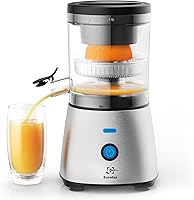
The Eurolux Premium Electric Orange Juicer has a soft-grip handle for one-touch operation, a universal cone, and dishwasher-safe parts. Its stated motor power is 160 watts.
Choose it if you want a handle-operated electric citrus juicer. If stainless steel is a priority, see best stainless steel orange juicers, or compare the best orange juicer machine.
How should you handle and store fresh orange juice?
Drink freshly squeezed orange juice soon after making it, or refrigerate it promptly in a clean, covered container. Fresh juice can separate, so stir it before serving.
Make only what you expect to use. Wash the juicer parts after each session, especially the cone and strainer where pulp can dry.
For shelf-stable storage, don't assume fresh juice is safe to can using an improvised method. Follow a tested preservation process, such as the guidance in how to can fresh orange juice.
How do you choose a method for juicing oranges?
If you're making one glass, use a hand reamer or fork and bowl. Choose a countertop electric citrus juicer when you often prepare larger batches or want a collection container and pulp controls.
Pick oranges that feel heavy, wash them, roll them, and press the halves evenly. If you want less hand work, compare the best electric orange juicer with the best manual orange juicer to find a style that fits your routine.
Frequently asked questions
What is the best way to juice oranges?
For a small amount, cut an orange across the middle and press each half on a handheld reamer. For larger batches, use a citrus juicer made for halved fruit.
Roll the orange on the counter first, press firmly while turning it on the reamer, then strain seeds if you want smoother juice.
Do you peel oranges before putting them in a juicer?
For a citrus reamer or press, cut the orange in half and leave the peel on while you press the cut face against the cone. For a centrifugal or slow whole-fruit juicer, follow the manual about peeling and removing seeds, since the feed chute and juicing method differ.
Which oranges are best for juicing?
Choose oranges that feel heavy for their size and give slightly when pressed, with intact skin and no soft, moldy spots. Sweet, juicy varieties such as Valencia are commonly used for juice, while navel oranges are also easy to find and work well for a glass at home.
How do you get more juice from an orange?
Bring the orange to room temperature, roll it firmly under your palm, and press it with steady pressure while turning the half. A sharp knife and a clean reamer help you use the fruit evenly.
Avoid squeezing so hard that bitter peel oils or excess pith enter the juice.