
How Much Juice Can You Get from One Orange? A No Fuss Guide
You can get about 2 to 3 ounces of juice from one medium-sized orange. This can vary depending on the type of orange and how juicy it is. Some smaller oranges might yield closer to 1.5 ounces, while larger, very ripe ones could give you up to 4 ounces. We found that juicing by hand often captures a bit less than using a juicer.
Thinking about how much juice you’ll get is smart when planning your recipes. Whether you’re making fresh orange juice for breakfast or adding a splash to a dish, knowing the yield helps. It’s also worth noting that the sweetness and flavor of the juice depend heavily on the orange variety. Some oranges are better for eating, while others are perfect for juicing.
- One medium orange yields roughly 2-3 ounces of juice.
- Larger, juicier oranges can produce more.
- Orange type and ripeness affect the juice amount.
- Hand juicing may result in slightly less juice than a machine.
Let’s break down what affects your orange juice yield and what you can expect. We’ll cover everything to help you get the most out of your oranges.
Unpacking Your Orange’s Juice Potential
You’re probably wondering, “Just how much liquid sunshine can I squeeze out of this one orange?” It’s a fair question, especially if you’re prepping for a pitcher of fresh juice or a recipe that calls for a specific amount. We’ve looked into it, and the general answer is that a medium-sized orange will typically give you about 2 to 3 ounces of juice.
But, like anything in nature, it’s not an exact science. Several things can influence how much you get. Think of it like baking a cake – using slightly different ingredients can change the outcome. We’ll walk you through what makes an orange juicy and what to expect.
What Determines Your Orange’s Yield?
Several factors play a role in how much juice you’ll end up with. It’s not just about the size of the orange. Let’s break down the main influences so you can pick the best oranges for your juicing needs.
The Type of Orange Matters
You might have a favorite orange for eating, but is it the best for juicing? Different varieties are bred for different purposes. Some are naturally more watery, while others are drier and sweeter. Generally, citrus fruits bred specifically for juice production tend to yield more liquid.
- Valencia oranges are a popular choice for juicing. They’re known for being very juicy and having a good balance of sweetness and tang.
- Navel oranges are great for eating out of hand. While they are juicy, their texture can sometimes be a bit firmer, meaning you might get slightly less juice compared to a Valencia of the same size.
- Blood oranges add a beautiful color and unique flavor. They are usually juicy, but their juice content can vary.
- Mandarin oranges and their varieties (like clementines or tangerines) are smaller and often less juicy than larger oranges. They’re better for snacking than for juicing in large quantities.
Ripeness and Seasonality
An orange that’s perfectly ripe is like a plump balloon ready to burst with juice. Overripe oranges can sometimes start to dry out from the inside, while underripe ones haven’t developed their full juiciness yet. The peak of ripeness is usually when the orange feels heavy for its size, indicating it’s full of juice.
Seasonality also plays a role. Oranges are typically in season during the cooler months. When an orange is harvested at its peak time, it’s more likely to be full of flavor and juice. Buying oranges that are in season can often lead to a better juicing experience.
Size Does Count (But Not Always How You Think)
Larger oranges generally have more flesh and, therefore, more juice. A jumbo orange will naturally hold more liquid than a tiny one. However, a small orange that feels dense and heavy for its size might still give you a respectable amount of juice. It’s the juice content, not just the external dimensions, that counts.
The Condition of the Orange
Look for oranges that feel firm and heavy. Avoid any with soft spots or a dull skin. A shiny, smooth peel often indicates a healthy, juicy fruit. Sometimes, an orange might look good on the outside but be dry within. Feeling the weight is your best bet here.
Juicing Methods: Hand vs. Machine
How you extract the juice can also make a difference in your final yield. Different juicing methods apply varying levels of pressure and efficiency.
Manual Juicing (By Hand)
Using your hands or a simple handheld reamer is a classic method. You press down and twist the orange half. This method is straightforward and doesn’t require special equipment.
We found that with manual juicing, you might leave a bit more juice behind in the pulp. It’s harder to apply consistent, deep pressure to get every last drop. For a single serving, it’s perfectly fine, but for larger batches, it can be more time-consuming and yield less.
A good technique for hand juicing is to roll the orange firmly on your countertop before cutting it in half. This can help break down the membranes inside, making the juice flow more freely. We found this simple step often improved our yield.
Using a Citrus Juicer (Manual or Electric)
Citrus juicers, whether they are manual press-style or electric, are designed to extract more juice. The mechanical action helps to press the fruit more thoroughly than hands alone can.
Electric citrus juicers are particularly efficient. They spin the reamer at a consistent speed, pressing firmly against the orange flesh. Many studies suggest electric juicers can extract up to 20% more juice than manual methods (NCBI).
Even a simple manual citrus press, where you push down on the orange half against a reamer, often gets more juice than just using your hands. The reamer is designed to pierce the pulp effectively.
What About Whole Fruit Juicers?
When people talk about juicing oranges, they might also think of centrifugal or masticating juicers that can handle whole fruits. While these machines are fantastic for juicing vegetables and other fruits, they aren’t always the most efficient for citrus.
Oranges have a thick, pithy rind that these machines have to process. This rind can sometimes add a bitter taste to the juice and use up more energy. For oranges, sticking to methods that specifically target citrus fruit often gives you the best results and the purest flavor.
Typical Juice Yields: A Quick Comparison
To give you a clearer picture, let’s put some typical yields side-by-side. These are averages, and your actual results may vary.
| Orange Type/Size | Approximate Juice Yield (Ounces) | Notes |
|---|---|---|
| Medium Valencia Orange | 2.5 – 3.5 oz | Very juicy, ideal for drinking |
| Medium Navel Orange | 2 – 3 oz | Good flavor, slightly less juice than Valencia |
| Large Orange (any type) | 3 – 4 oz | Heavier oranges often yield more |
| Small Orange/Mandarin | 1 – 1.5 oz | Best for a single serving or garnish |
As you can see, the variation isn’t huge between types, but it’s noticeable. If you need a specific amount of juice, it’s always best to have a few extra oranges on hand.
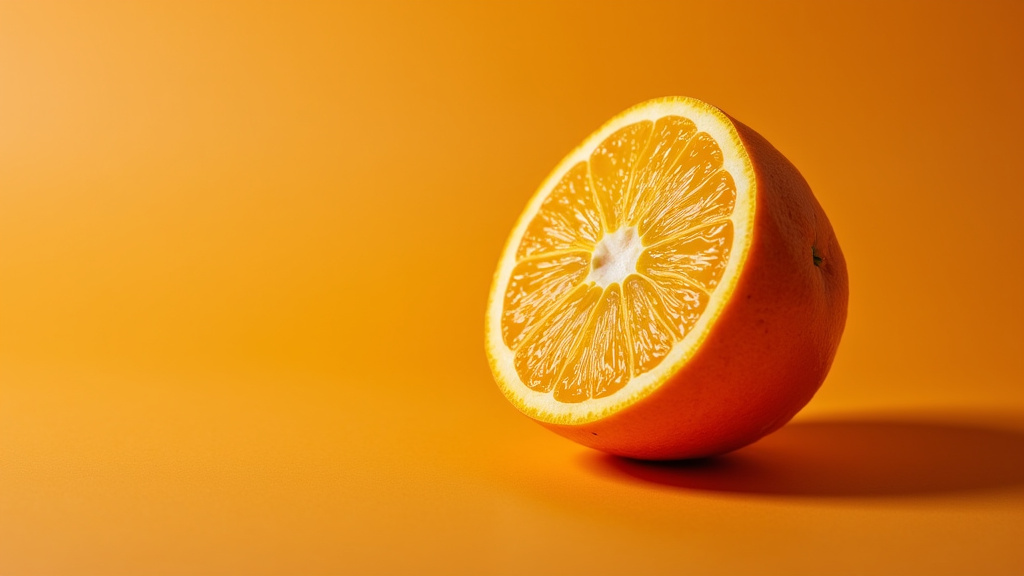
Getting the Most Out of Your Oranges: Tips
Want to maximize every drop? Here are a few practical tips we’ve found helpful. They’re simple, but they can make a difference in your juicing efforts.
- Roll ’em: Before cutting, press down firmly on the orange and roll it across your counter. This breaks up the internal membranes, helping the juice flow easier.
- Room temperature is best: Cold oranges can be a bit firmer. Let them sit out for a bit to reach room temperature. They tend to be more pliable and release juice more readily.
- Cut correctly: For most juicers, cut oranges in half crosswise (around the equator), not from stem to navel. This exposes more surface area to the reamer.
- Gentle squeezing: Don’t over-squeeze until the peel shreds. You want the juice, not the bitter oils from the peel.
- Use ripe fruit: As we discussed, ripeness is key. A heavy orange for its size is usually a juicy one.
What to Do With the Leftover Pulp?
Don’t toss that orange pulp and rind just yet! There are plenty of ways to use them. The pith contains beneficial compounds, and the pulp still has flavor and fiber.
You can add the pulp to smoothies for extra fiber, or use the zest from the peel in baking or to flavor drinks. Some people even dry the peels to make orange-scented potpourri or compost them for your garden. It’s a shame to waste good material!
Conclusion
So, you’ve learned that a medium orange typically yields 2 to 3 ounces of juice. Remember, factors like the orange’s type, ripeness, and size all play a part. We found that using a citrus juicer can often get you a bit more juice than squeezing by hand. Don’t forget our simple tips, like rolling the orange before cutting, to maximize your yield. Now you’re ready to juice like a pro and enjoy your fresh orange goodness.
Frequently Asked Questions
Can I get more juice from an orange if I warm it up?
Yes, slightly warmer oranges tend to be more pliable. Letting them sit at room temperature for a bit before juicing can help you extract more juice. Cold oranges can be a bit firmer, making them less cooperative.
Which type of orange is best for juicing?
Valencia oranges are generally considered excellent for juicing because they are known for being very juicy. While Navel oranges are delicious, they might yield slightly less juice compared to a Valencia of the same size.
What’s the average amount of juice from a whole bag of oranges?
If you’re buying oranges by the pound, a common estimate is about 1-2 oranges per cup of juice. So, a 3-pound bag of oranges might yield roughly 3-6 cups of juice, depending on the size and juiciness of the oranges.
Why does my orange seem dry even though it looks big?
Sometimes, an orange can look large but be dry inside. This often happens if the orange is past its peak ripeness or hasn’t received enough water. Always go by the weight of the orange – a heavy orange for its size is usually a juicy one.
Is it worth it to juice small mandarins?
Mandarins and similar smaller varieties are usually less juicy than larger oranges. While you can get juice from them, you’ll need many to make a significant amount. They are generally better suited for snacking or a small garnish rather than juicing for a full glass.