What Is a Green Juice? A Beginner’s Guide
On this page (6 sections)
A green juice is a nutritious drink made by blending fruits and vegetables without the pulp or fiber. It’s essentially the liquid extracted from these healthy ingredients. Think of it as a concentrated shot of vitamins and minerals. It’s a simple way to get more produce into your diet. Our guide to the pros and cons of juicing explains the benefits and drawbacks.
Many people turn to green juices for a quick health boost. If you prefer to buy a fresh drink, our guide explains what to expect at a juice bar. We found that they can be a refreshing way to hydrate and consume a variety of plant-based nutrients. While not a meal replacement, it offers a way to easily add leafy greens like kale or spinach to your day.
- Green juice is the liquid from blended fruits and vegetables.
- It removes the pulp and fiber.
- It’s a simple way to consume more produce.
- It offers vitamins and minerals.
Ready to learn more about this popular beverage? Below, we break down what makes a green juice and why it’s a go-to for many looking to add a healthy drink to their routine.
Understanding What Goes Into Green Juice
So, what exactly makes a green juice a green juice? It’s really quite simple. You’re looking at a liquid extracted from a variety of fruits and vegetables, much like raw juice. The key here is that the pulp and fiber are removed. This process leaves you with a concentrated, nutrient-rich drink. Think of it like a fast track to getting a bunch of vitamins and minerals into your system.
The “Green” in Green Juice
The “green” part often comes from leafy greens. These are the heavy hitters for nutrients. You’ll commonly see ingredients like spinach, kale, romaine lettuce, and celery. These aren’t just for color. They pack a serious nutritional punch. Many health guidelines suggest increasing your intake of leafy green vegetables for overall well-being (CDC).
Beyond the Greens: Adding Flavor and Nutrients
While greens form the base, you’ll often find other ingredients. These help to balance the flavor and add more benefits. Fruits are popular additions. They bring a natural sweetness. Think apples, pears, or even a bit of lemon or lime for tang. Sometimes, you’ll see other vegetables like cucumber or ginger. Cucumber adds hydration, while ginger offers a spicy kick and digestive support.
How Green Juice is Made: Juicing vs. Blending
It’s important to know how green juice is different from a smoothie. This distinction affects the nutrient profile. Juicers work by extracting the liquid from produce. They spin at high speeds or use a grinding mechanism. This process separates the juice from the plant material. Blenders, on the other hand, chop everything up. They keep the pulp and fiber. So, a smoothie is thicker and contains all the fiber, while a green juice is thin and lacks fiber.
The Role of Fiber: Why It’s Removed
You might be wondering why fiber is removed. Fiber is fantastic for your digestive system. However, in a green juice, it’s separated out. This means you get a Our guide explains why fiber is removed from juice and its impact.more concentrated dose of vitamins and minerals. Without the fiber, your body may absorb these nutrients more quickly. Some research suggests that consuming a lot of fiber can slow nutrient absorption. For those looking for a quick nutrient boost, this can be appealing (Mayo Clinic).
Why Do People Drink Green Juice?
There are several reasons why green juice has become so popular. Many people are looking for simple ways to improve their diet. Adding a green juice can feel like an easy win. It’s a convenient way to increase your intake of fruits and vegetables, especially if you struggle to eat enough of them daily.
A Convenient Nutrient Boost
Let’s be honest, sometimes getting your daily recommended servings of fruits and vegetables feels like a challenge. Green juice offers a way around that. You can pack a lot of goodness into one glass. We found that many people turn to it in the morning. It helps them feel like they’ve started their day on a healthy note. It’s a quick way to get a range of vitamins and minerals.
Hydration and Refreshment
Green juices are also incredibly hydrating. Ingredients like cucumber and celery have high water content. This makes the juice refreshing. It’s a great alternative to sugary drinks. Instead of reaching for soda, a green juice offers hydration along with nutrients. It’s a win-win for your body. Many find the crisp, clean taste very satisfying.
Supporting a Healthy Lifestyle
For many, green juice is part of a broader healthy lifestyle. It’s often paired with a balanced diet and regular exercise. It’s not a magic cure, but it can be a supportive element. When you’re focused on wellness, adding nutrient-dense foods and drinks makes sense. Green juice fits that bill nicely. It’s a way to be more mindful about what you’re consuming.
Common Ingredients Found in Green Juices
The world of green juice ingredients is vast. You can customize it to your liking. However, certain ingredients are staples for good reason. They offer great flavor, fantastic nutrients, and are readily available.
The Leafy Green Foundation
As mentioned, leafy greens are key. Here’s a quick look at some common ones:
- Spinach: Mild flavor, packed with vitamins A, C, and K, plus iron. It’s a gentle introduction for beginners.
- Kale: A nutrient powerhouse. It’s rich in vitamins A, C, and K. It has a slightly stronger, earthier taste.
- Romaine Lettuce: High water content, making it very hydrating. It offers folate and vitamins A and K. Its flavor is mild and crisp.
- Swiss Chard: Contains a good mix of vitamins A, C, and K. It has a slightly bitter taste.
Fruits for Sweetness and Balance
Fruits are essential for making green juice palatable. They add sweetness and mask some of the stronger green flavors. Some popular choices include:
- Apples: Provide natural sweetness and a crisp texture. They also offer fiber (which is removed in juicing, but present in the whole fruit) and vitamin C.
- Pears: Offer a softer sweetness compared to apples. They contribute hydration and nutrients.
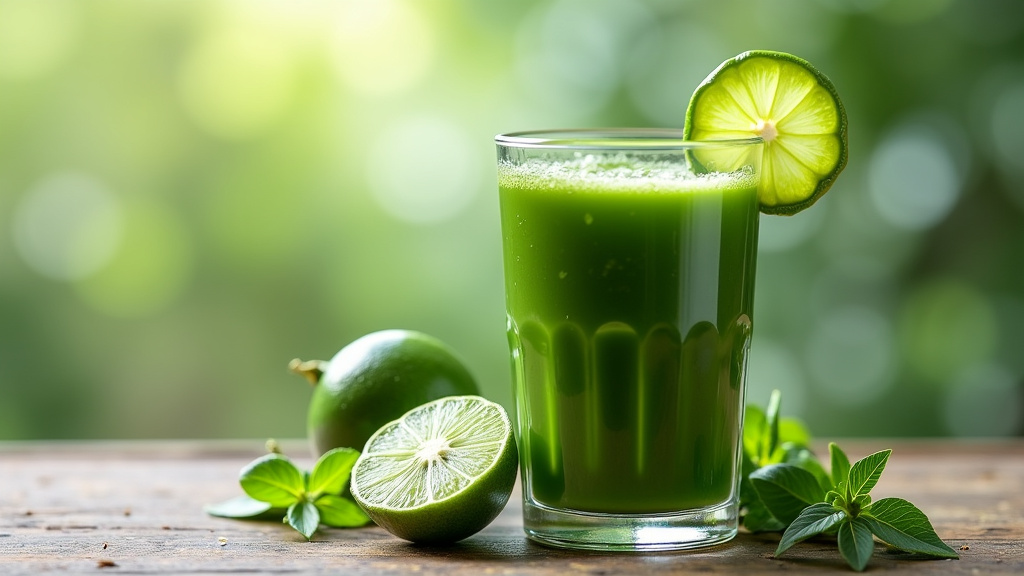
- Lemon/Lime: A small amount adds a bright, zesty flavor. They are rich in vitamin C and can help cut through stronger green tastes.
- Pineapple: Adds a tropical sweetness and is a good source of vitamin C and manganese. It also contains bromelain, an enzyme that may aid digestion.
Other Vegetables and Boosters
Beyond the greens and fruits, other ingredients add flavor and health benefits:
- Cucumber: Mostly water, it’s incredibly hydrating and adds a refreshing, mild flavor.
- Celery: Another high-water content vegetable. It has a distinct, savory flavor and contains electrolytes.
- Ginger: A small piece adds a spicy kick. It’s known for its anti-inflammatory properties and digestive benefits.
- Carrots: Add a touch of sweetness and are a great source of beta-carotene.
What to Consider Before You Start Juicing
Getting into green juice is exciting! But there are a few things to keep in mind. It’s helpful to be prepared. This way, you can make the most of your juicing journey. You don’t want to end up with a juice that’s too bitter or too watery.
Choosing Your Juicing Method
There are two main types of juicers. They offer different results. Understanding these can help you pick the right one for your needs. Centrifugal juicers are generally faster and more affordable. They use a fast-spinning blade. However, they can generate heat, which might affect nutrient levels slightly. Masticating juicers, also known as slow juicers, use a grinding and pressing action. They are slower but produce higher quality juice with less oxidation. Many experts suggest masticating juicers retain more nutrients (NCBI).
The Importance of Fresh Produce
For the best flavor and nutrient content, always use fresh, high-quality produce. Organic is often preferred. This helps you avoid pesticides. Wash your fruits and vegetables thoroughly. Even if you plan to peel them, washing first removes surface contaminants. Using ingredients that are in season can also improve flavor and reduce cost.
Balancing Your Green Juice Recipe
Creating a balanced recipe is key. Too many greens can make your juice taste bitter or grassy. Too much fruit can make it too sugary. A good starting point is often a ratio of about 80% vegetables to 20% fruit. Don’t be afraid to experiment. Find what tastes good to you. You might start with mild greens like spinach and then gradually add kale as you get used to the flavor. A bit of lemon can really brighten things up.
Your Green Juice Checklist
Ready to give it a try? Here’s a quick checklist to get you started:
- Select fresh fruits and vegetables.
- Wash all produce thoroughly.
- Choose a balanced mix of greens, fruits, and other veggies.
- Consider a small amount of ginger or lemon for extra flavor.
- Prepare your juicer and necessary equipment.
- Drink your juice soon after making it for maximum freshness.
Conclusion
You’ve learned that green juice is a nutrient-rich liquid extracted from fruits and vegetables, with the pulp and fiber removed. It’s a straightforward way to get a concentrated dose of vitamins and minerals, supporting your daily intake of produce. We’ve seen how common ingredients like spinach, kale, apples, and lemon can create a balanced, refreshing drink. Green juice can be a helpful addition to a healthy lifestyle, offering hydration and a convenient nutrient boost.
Ready to give it a try? Your next step is to experiment with a simple recipe. Start with mild greens and a touch of fruit. You might be surprised at how easy and enjoyable it is to incorporate this healthy drink into your routine.
Frequently Asked Questions
Is green juice a healthy meal replacement?
No, green juice is not typically considered a meal replacement. While it offers concentrated nutrients, it lacks the fiber and protein needed for sustained energy and fullness that a balanced meal provides. It’s best viewed as a supplement to a healthy diet.
Can I drink green juice every day?
For most people, drinking green juice daily can be a healthy habit. However, it’s good to be mindful of the fruit content, as too much can increase sugar intake. Listening to your body and balancing it with whole foods is key.
What’s the difference between green juice and a smoothie?
The main difference is fiber. Smoothies blend whole fruits and vegetables, keeping the pulp and fiber, which makes them thicker. Green juice uses a juicer to extract only the liquid, removing the fiber, resulting in a thinner drink.
How long does green juice last?
Green juice is best consumed immediately after preparation to get the most nutrients and freshest taste. If you need to store it, keep it in an airtight container in the refrigerator for up to 24-48 hours. Oxidation can reduce nutrient content over time.
Can I make green juice without a juicer?
Yes, you can make a similar drink without a dedicated juicer. You can blend your fruits and vegetables with a little water, then strain the mixture through a fine-mesh sieve or cheesecloth to remove most of the pulp. The result will be less refined than from a juicer, but still offer benefits.