What Is Raw Juice? A Down to Earth Guide
On this page (6 sections)
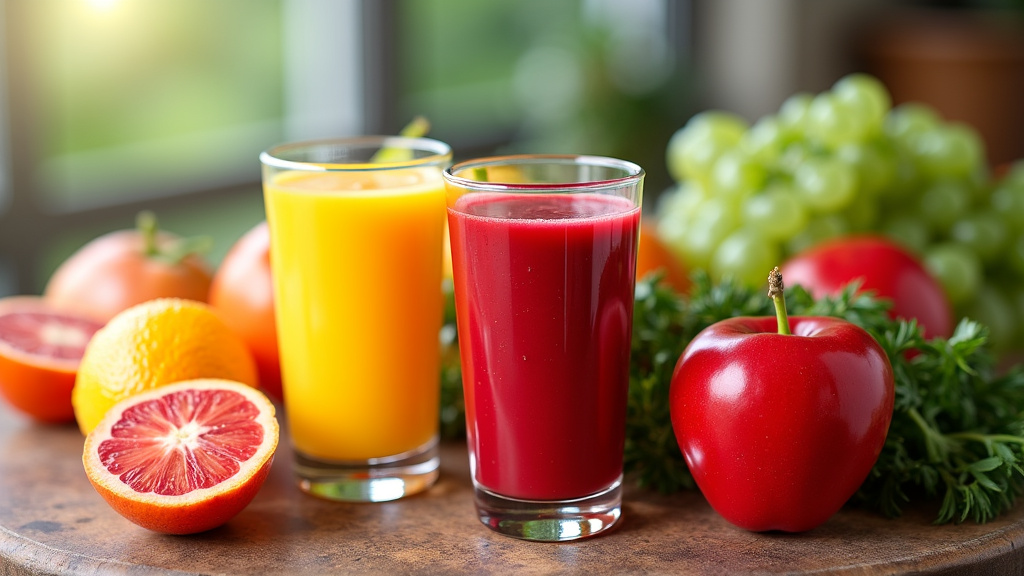
Raw juice is simply freshly squeezed fruit or vegetable liquid that hasn’t been pasteurized or heated. This means it retains more of its natural nutrients and enzymes. Think of it as drinking your produce in its purest form, without the pulp or fiber.
When you see “raw juice,” it’s important to know it’s different from store-bought juices that often go through processing. This processing can reduce the nutritional benefits. Many people choose raw juice for its vibrant flavor and potential health perks.
- Raw juice is unpasteurized fruit or vegetable liquid.
- It is made by pressing produce.
- Processing is avoided to keep nutrients.
- It’s a way to get vitamins and minerals easily.
We found that understanding the difference is key. Let’s walk through exactly what raw juice is and what makes it stand out.
Understanding What Raw Juice Really Is
So, you’re curious about raw juice? It’s simpler than you might think. Raw juice is essentially the liquid squeezed directly from fruits and vegetables. The key word here is “raw.” This means it hasn’t been heated or treated in any way that changes its natural state.
Think about making juice at home. You grab some apples, maybe a carrot or two, and run them through a juicer. That colorful liquid you collect? That’s raw juice. It keeps most of the good stuff that was in the original produce. We found that this direct extraction is what makes raw juice special.
The Difference: Raw vs. Processed Juice
This is where most confusion happens. Store-bought juices, even those that seem healthy, often undergo processes like pasteurization. Pasteurization heats the juice to kill off bacteria. While this makes the juice last longer on the shelf, it can also reduce the amount of certain vitamins and enzymes.
Research from sources like the U.S. Department of Agriculture (USDA) indicates that heat treatment can degrade heat-sensitive vitamins like Vitamin C. Raw juice, by avoiding this heat, aims to keep these nutrients intact. It’s like the difference between a fresh apple and applesauce – both have goodness, but the fresh apple offers a different kind of vitality.
Pasteurization: Why It Matters
When juice is pasteurized, it’s heated to a specific temperature for a set time. This process is good for food safety and shelf life. It ensures that harmful bacteria are eliminated, making the product safe for mass distribution and consumption over longer periods.
However, this heating process can also affect the natural compounds in the juice. Some delicate enzymes and vitamins are sensitive to heat. We found that for those seeking the maximum nutritional profile directly from produce, this is a key distinction.
The Role of Enzymes and Nutrients
Fruits and vegetables are packed with enzymes that help with digestion and other bodily functions. Raw juice tends to retain these enzymes because they haven’t been destroyed by heat. Many experts say these enzymes can be beneficial. Additionally, vitamins like Vitamin C and some B vitamins are also sensitive to heat.
The goal of raw juicing is to capture these nutrients and enzymes in their most active form. It’s a way to get a concentrated dose of the goodness from your produce. Many people choose raw juice specifically for this reason. We found that the bioavailability of nutrients can be a primary driver for choosing raw.
How Is Raw Juice Made? The Simple Process
Making raw juice is straightforward, and you can often do it yourself. The core method involves mechanically separating the liquid from the solid parts of fruits and vegetables. This is typically done using a juicer.
Types of Juicers Used
There are a few common types of juicers. The most popular for raw juice are masticating juicers and centrifugal juicers. Each has its own way of extracting the juice.
Masticating Juicers (Slow Juicers)
These juicers work by grinding and crushing the produce with a screw-like mechanism, often called an auger. They turn slowly, which means less heat is generated. This slow process helps to preserve more nutrients and enzymes. Many people prefer them for leafy greens and harder vegetables because they tend to yield more juice with less oxidation.
Because they operate at lower speeds, masticating juicers can produce a higher quality juice. This is often referred to as “cold-pressed” juice. We found that this method is favored by those who are very particular about nutrient preservation.
Centrifugal Juicers (Fast Juicers)
These are usually faster and more affordable. They use a fast-spinning blade to shred produce. The centrifugal force then pushes the juice through a fine mesh screen. While convenient, the high speed can generate some heat and expose the juice to more oxygen, which can reduce nutrient levels slightly over time compared to masticating juicers.
Centrifugal juicers are great for quick batches of juice. They are easy to clean and operate. For everyday juicing where immediate consumption is planned, they are a perfectly good option. We found that ease of use and speed are major benefits here.
The Importance of Fresh Produce
The quality of your raw juice directly depends on the quality of the produce you use. Fresh, ripe fruits and vegetables will yield the best flavor and the most nutrients. Using organic produce can also be a consideration for those who want to avoid pesticide residues.
When you pick your produce, look for vibrant colors and firm textures. Avoid anything that is wilted or bruised. This is the foundation of truly good raw juice. We found that the taste difference is noticeable when you start with peak-quality ingredients.
Why Consider Drinking Raw Juice? Potential Benefits
Many people turn to raw juice as a way to boost their nutrient intake. It can be an easy and tasty method to consume a variety of fruits and vegetables. Think of it as a concentrated shot of goodness.
Nutrient Density and Absorption
Juicing removes the pulp and fiber, allowing your body to potentially absorb the vitamins, minerals, and antioxidants more quickly. Some research, like that published in journals focused on nutrition, suggests that the absence of fiber can lead to faster nutrient uptake. This can be beneficial when you need a quick energy boost or a concentrated dose of vitamins.
For instance, a glass of raw carrot juice delivers a good amount of beta-carotene. Your body then converts this into Vitamin A. This conversion can happen more readily without the fiber present. We found that this rapid absorption is a key appeal for many raw juice drinkers.
Hydration and Flavor
Raw juices are primarily water, so they contribute to your daily hydration goals. A green juice is one way to combine greens with other produce. They are also incredibly flavorful. The natural sweetness of fruits and the earthy notes of vegetables can create delicious combinations. You can mix and match to create your own unique blends.
Consider a simple combination like apple, ginger, and lemon. It’s refreshing and invigorating. Or try a green juice with kale, cucumber, and celery for a more savory experience. The possibilities are endless, and they all taste wonderfully fresh. We found that taste is often the first thing people notice and appreciate.
A Way to Increase Vegetable and Fruit Intake
For some, eating enough fruits and vegetables daily can be a challenge. Raw juice offers a convenient way to increase your consumption. One glass of juice can contain the nutritional equivalent of several servings of produce. It’s a simple addition to your routine.
For example, getting three servings of spinach into your diet might seem daunting. But you could easily juice a few handfuls for a potent dose in a single drink. This makes it easier to meet dietary recommendations. Many public health guidelines, such as those from the CDC, recommend high fruit and vegetable intake.
What to Look for in Raw Juice (When Buying or Making)
Whether you’re buying raw juice or making it yourself, there are a few things to keep in mind to ensure you’re getting the best product.
Freshness is Key
Since raw juice isn’t pasteurized, it has a shorter shelf life. Freshly made juice is always best. If you buy a fresh drink nearby, our guide explains what to expect at a juice bar. If you buy it, check the “bottled on” date rather than just the expiration date. Look for juices that are cold-pressed and kept refrigerated.
We found that immediate consumption after juicing at home yields the most vibrant taste and nutrient profile. If you buy it, try to consume it within a few days of purchase, and always store it properly in the refrigerator.
Ingredients Matter
Read the ingredient list carefully. High-quality raw juice should contain only fruits and vegetables. Avoid juices with added sugars, artificial flavors, or preservatives. The simpler, the better.
For homemade juices, choose produce that is in season and looks its best. This will ensure the best flavor and nutritional content. We found that knowing where your produce comes from can also add to the enjoyment.
Here’s a quick checklist to remember:
- Always check for freshness.
- Look for minimal ingredients (just produce!).
- Prefer cold-pressed if buying.
- Keep it refrigerated immediately.
- Consume it promptly after making or buying.
- Use high-quality fruits and vegetables.
Understanding what raw juice is and how it’s made helps you make informed choices. It’s a natural way to get goodness from produce.
Conclusion
You now have a clear picture of what raw juice is. It’s the pure liquid extracted directly from fruits and vegetables, unheated and unpasteurized. We’ve seen how this simple process helps preserve natural nutrients and enzymes that can be affected by heat treatment in processed juices. Whether you choose to make it yourself with a masticating or centrifugal juicer, or buy it carefully, focusing on freshness and simple ingredients is key. Taking the step to incorporate fresh, raw juice into your routine can be a delicious way to boost your intake of produce. Start by trying one simple recipe you enjoy this week.
Frequently Asked Questions
Is raw juice the same as cold-pressed juice?
Often, yes. Cold-pressed juice is a type of raw juice made using a masticating juicer. This method uses slow grinding and pressing, which generates minimal heat and is thought to preserve more nutrients. We found that “cold-pressed” is a good indicator of minimal processing.
How long does raw juice last?
Because it’s unpasteurized, raw juice has a short shelf life. It’s best consumed immediately after making. If stored properly in an airtight container in the refrigerator, it typically lasts for about 24 to 72 hours. We found that freshness really makes a difference in taste and quality.
Can I make raw juice without a juicer?
While juicers are the most effective tool, you can create a form of raw juice without one. You can blend fruits and vegetables very finely and then strain the pulp using a fine-mesh sieve or cheesecloth. This method will yield a less smooth juice but still captures the liquid goodness.
Is raw juice healthier than eating whole fruits and vegetables?
Raw juice provides a concentrated dose of nutrients and is easily absorbed. However, it lacks the fiber found in whole produce, which is important for digestion and satiety. We found that raw juice is best seen as a supplement to a diet rich in whole fruits and vegetables, not a replacement.
What are the risks of drinking unpasteurized raw juice?
Unpasteurized juices can potentially contain harmful bacteria if not handled properly. This is why it’s important to use clean equipment and fresh, high-quality produce when making juice at home. If buying, choose reputable brands that follow strict safety guidelines and keep the juice refrigerated.