What Is Unpasteurized Juice? A Few Facts
On this page (8 sections)
Unpasteurized juice is juice that has not undergone a pasteurization process. Pasteurization uses heat to kill potentially harmful bacteria. Unpasteurized juice is often called “raw” juice. It contains live enzymes and can carry harmful microorganisms if not handled carefully.
Many shoppers wonder about the difference between pasteurized and unpasteurized options. While raw juice may offer certain perceived benefits due to its natural state, it also presents food safety risks. Research shows that these risks are particularly concerning for certain groups of people. We found that understanding these differences is key to making informed choices.
- Unpasteurized juice is raw juice.
- It hasn’t been heated to kill germs.
- May contain harmful bacteria like E. coli or Salmonella.
- Risks are higher for children, pregnant women, and older adults.
- Pasteurized juice is a safer option for most people.
Ready to learn more about what makes juice unpasteurized and what that means for you? Below, we’ll break down the key facts about raw juice so you can shop with confidence.
Understanding Your Unpasteurized Juice Choices
You’ve seen the labels: “raw juice,” “unpasteurized,” or maybe just plain juice without any mention of pasteurization. So, what does this really mean for you and your family? Simply put, unpasteurized juice is juice that has not gone through the heating process called pasteurization. This process is designed to kill tiny organisms that can make you sick. You can learn more about what makes juice unpasteurized by understanding what cold pressed juice means.
What Does Pasteurization Do to Juice?
Think of pasteurization like giving your juice a health check-up. It involves heating the juice to a specific temperature for a set amount of time. This gentle heating kills off harmful bacteria, viruses, and other germs that might be present. It’s a standard safety step used for many foods and drinks, like milk and canned goods. For juice, it helps prevent foodborne illnesses.
How Heat Affects the Juice
The main goal of pasteurization is safety. However, some people worry that the heat might change the juice. For instance, it can reduce the levels of certain vitamins and enzymes. Many experts agree that while some nutrients might be slightly affected, the overall nutritional profile remains largely intact. For most shoppers, the peace of mind that comes with a safer product outweighs these minor changes.
The Appeal of Raw, Unpasteurized Juice
So, why would anyone choose juice that hasn’t been pasteurized? People who prefer raw juice often believe it retains more of its natural goodness. They might say it has more “live enzymes” and a fresher taste. It’s true that pasteurization can affect these aspects. Some shoppers are drawn to the idea of drinking something as close to its original form as possible. If you’re considering raw juice, understanding the pros and cons of juicing is essential.
What About Those “Live Enzymes”?
You might hear that unpasteurized juice is packed with “live enzymes.” Enzymes are natural substances found in all living things. They help with various processes. In juice, these enzymes are naturally present. Pasteurization, by using heat, can indeed deactivate some of these enzymes. If you’re someone who values these specific natural components, unpasteurized juice might seem more appealing.
Taste Differences
Some people report that unpasteurized juice tastes different. They might describe it as more vibrant or pure. This is likely due to the absence of the heating process. The natural flavors and aromas might be more pronounced. For readers curious about freshly prepared drinks, our guide to juice bars explains what these shops serve. If you’re a true juice enthusiast who seeks out the most authentic flavor, you might notice a difference.
The Risks: What You Need to Know
This is where we need to be very clear. While unpasteurized juice might sound appealing, it comes with real health risks. Because it hasn’t been heated, harmful bacteria can survive and multiply. These bacteria can cause serious illnesses.
Common Culprits: Bacteria in Raw Juice
The U.S. Food and Drug Administration (FDA) and the Centers for Disease Control and Prevention (CDC) warn about the dangers. They point out that raw produce can be contaminated with bacteria like Salmonella, E. coli, and Listeria. This contamination can happen during growing, harvesting, or even processing. If the juice is made from contaminated fruit or vegetables, the juice itself can become a carrier for these dangerous germs.
We found that outbreaks linked to unpasteurized juices have occurred. These outbreaks have led to widespread illnesses. It’s important to remember that even juice made from clean-looking fruit can contain these invisible threats.
Who Is Most at Risk?
While anyone can get sick from drinking contaminated juice, some groups are at much higher risk of serious illness. This includes:
- Young children: Their immune systems are still developing and not strong enough to fight off serious infections.
- Pregnant women: Listeria infection, which can be found in unpasteurized products, can be especially dangerous during pregnancy, potentially leading to miscarriage or harm to the baby.
- Older adults: Their immune systems may be weaker, making it harder to recover from infections.
- People with weakened immune systems: This includes individuals with conditions like cancer, HIV/AIDS, diabetes, or those taking medications that suppress the immune system.
The CDC strongly advises these groups to avoid unpasteurized juices and ciders. It’s a recommendation made to protect their health.
Making the Safer Choice: Pasteurized Juice
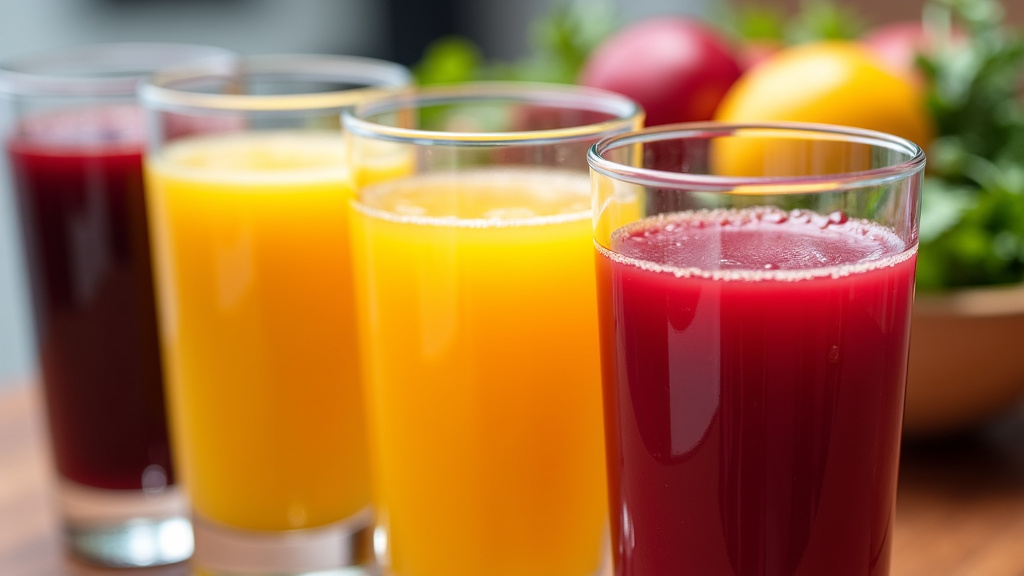
For the vast majority of shoppers, pasteurized juice is the safer choice. It undergoes the same rigorous testing and safety standards that protect other common food items. You can enjoy the taste and nutrients of juice without the significant risk of harmful bacteria.
Nutritional Comparison: Pasteurized vs. Unpasteurized
Let’s look at how the two types stack up nutritionally. While pasteurization can cause minor losses in some heat-sensitive vitamins like Vitamin C, many of the essential nutrients remain. Here’s a simple breakdown:
| Nutrient | Unpasteurized Juice | Pasteurized Juice |
|---|---|---|
| Vitamin C | Potentially higher (some loss during pasteurization) | Slightly lower (due to heat) |
| Other Vitamins (A, K, B vitamins) | Generally present | Generally present (minimal loss) |
| Minerals (Potassium, Manganese) | Present | Present |
| Enzymes | Active enzymes present | Most enzymes deactivated by heat |
| Food Safety | Risk of harmful bacteria | Safe from harmful bacteria |
As you can see, the primary difference boils down to safety. The nutritional benefits of pasteurized juice are still substantial for most people.
A Quick Checklist for Juice Safety
When you’re in the grocery store or at a farmer’s market, how can you ensure you’re making a safe choice? Keep these points in mind:
- Always check the label for “pasteurized.”
- If it says “raw” or “unpasteurized,” be extra cautious.
- If you’re in a high-risk group, avoid raw juices entirely.
- Handle any raw produce used for juicing with extreme care.
- When in doubt, choose the pasteurized option.
- Look for certifications or seals indicating safety standards.
Conclusion
You now understand that unpasteurized juice, often called raw juice, hasn’t been heated to kill germs. While some prefer it for taste or perceived benefits like active enzymes, it carries real food safety risks. Harmful bacteria like E. coli and Salmonella can survive in raw juice. We found that pasteurized juice offers a much safer way to enjoy your favorite flavors. For your peace of mind and health, especially if you are in a high-risk group, always choose pasteurized options whenever possible.
Frequently Asked Questions
Is unpasteurized juice always dangerous?
Unpasteurized juice isn’t always dangerous, but it does carry a higher risk of contamination with harmful bacteria. These bacteria can cause serious illness, so it’s important to be aware of the potential dangers. We recommend careful handling and avoidance for those most vulnerable.
Can I make unpasteurized juice at home safely?
Making unpasteurized juice at home requires strict attention to food safety. You must ensure all produce is thoroughly washed and handled in a sanitary environment. Even then, the risk of invisible bacteria remains, so caution is advised.
Does pasteurization destroy all the nutrients in juice?
No, pasteurization does not destroy all nutrients. While some heat-sensitive vitamins, like Vitamin C, may be slightly reduced, most essential vitamins, minerals, and other beneficial compounds remain intact. The nutritional difference is generally minimal for most people.
What are “live enzymes” in juice?
“Live enzymes” are natural substances present in raw fruits and vegetables that can be deactivated by heat. While some people believe these enzymes offer health benefits, scientific research on their impact in juice form is ongoing. Pasteurization does reduce their activity.
Where can I find reliable information about juice safety?
For reliable information on juice safety, you can consult websites from health organizations like the U.S. Food and Drug Administration (FDA) and the Centers for Disease Control and Prevention (CDC). These sources offer research-backed advice and warnings.