Does Juicing Remove Fiber from Produce? The Honest Answer
On this page (9 sections)
- Understanding Juicing and Its Fiber Impact
- Where Does the Fiber Go?
- What Happens to the Fiber You Don’t Get?
- Juicing vs. Blending: A Key Difference
- A Quick Comparison: Whole Fruit vs. Juice vs. Smoothie
- Making Informed Choices About Your Drinks
- Key Takeaways for Your Diet
- Conclusion
- Frequently Asked Questions
Yes, juicing does remove most of the fiber from fruits and vegetables. While you get the vitamins and minerals, the juicer separates the pulp, which is where most of the beneficial fiber lives. Think of it like straining pasta – you keep the water, but the pasta itself is left behind.
This means you miss out on some of the amazing perks fiber provides. Fiber helps you feel full longer, supports a healthy gut, and can help manage blood sugar levels. When you drink juice, you’re essentially getting a concentrated dose of sugars and nutrients without that fibrous scaffolding. It’s important to understand this difference for your overall nutritional goals.
- Juicing removes nearly all the fiber from produce.
- Fiber is found in the pulp that juicers discard.
- Fiber offers benefits like fullness and gut health.
- Juice is concentrated in nutrients but low in fiber.
- This is a key difference from eating whole fruits and veggies.
Let’s get into the details about why this happens and what it means for your diet.
Understanding Juicing and Its Fiber Impact
You might be wondering if juicing really strips away all that good stuff from your fruits and veggies. The short answer is: yes, it does. Your juicer is designed to separate the liquid from the solid parts of produce. That solid part is mostly pulp, and that’s where the fiber hangs out.
Think about making orange juice. You squeeze the oranges to get the juice, but you leave the stringy bits and pulp behind. It’s a similar process for almost all fruits and vegetables when you juice them. This separation is key to understanding the nutritional difference between juice and whole produce.
Where Does the Fiber Go?
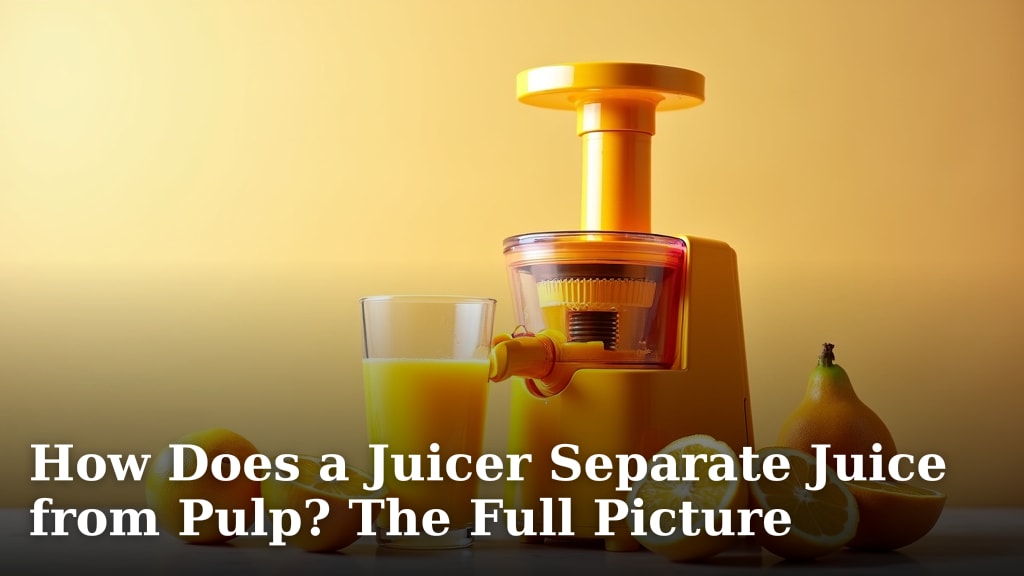
When you juice, the machine uses blades or a press to extract the liquid. It forces the produce through a screen or a basket. This screen has tiny holes. The juice, filled with water, vitamins, and minerals, passes through. The leftover solid material, called pulp, gets trapped behind the screen.
This pulp is exactly where most of the dietary fiber is found. Fiber is the part of plants that your body can’t digest. It plays a really important role in your health, and juicing removes the majority of it. So, you’re left with a drink that’s packed with nutrients but light on fiber.
Different Juicers, Similar Results
There are two main types of juicers: centrifugal and masticating (or cold-press). Even though they work a bit differently, they both achieve the same result when it comes to fiber. Centrifugal juicers use a fast-spinning blade to shred produce and then spin it to separate juice from pulp. Masticating juicers use a slow-moving auger to crush and press the produce, extracting juice more slowly.
Both methods are effective at separating the juice from the pulp. You’ll still end up with juice that is largely fiber-free, regardless of the juicer type you choose. Some people might think cold-press juicers preserve more nutrients, and they do a great job, but fiber removal is a common outcome for both.
What Happens to the Fiber You Don’t Get?
Fiber is like the unsung hero of your digestive system. It adds bulk to your stool, helping things move smoothly through your gut. This can prevent constipation and keep your digestive tract healthy. Many guidelines from health organizations highlight the importance of adequate fiber intake for gut health (Centers for Disease Control and Prevention).
Fiber also helps you feel full and satisfied after eating. When you remove it through juicing, you lose this satiating effect. This means you might feel hungry again sooner after drinking juice compared to eating the whole fruit or vegetable. Your body digests the sugars and nutrients in juice much faster without the fiber to slow things down.
Impact on Blood Sugar
One of the major benefits of fiber is its role in moderating blood sugar levels. Fiber slows down the absorption of sugar into your bloodstream. This helps prevent sharp spikes and crashes in blood glucose. When you drink juice, that fiber is gone. This can lead to a quicker rise in blood sugar compared to eating the whole fruit or vegetable (National Institutes of Health).
For individuals managing diabetes or watching their sugar intake, this is a key consideration. The concentrated sugars in juice, without the buffering effect of fiber, can have a more pronounced impact. It’s why health experts often recommend eating whole fruits over drinking their juice when possible for better blood sugar control.
Nutrient Concentration vs. Fiber Content
Juicing does offer a way to get a concentrated dose of vitamins and minerals from a large amount of produce. You might drink a glass of juice that contains the equivalent of several carrots or a whole bunch of kale. This can be helpful for people who struggle to eat enough fruits and vegetables.
However, it’s a trade-off. You get more of certain micronutrients, but you miss out on the fiber. It’s like getting a powerful boost of energy but forgetting to bring the support system. You’re getting the quick fuel, but not the long-term stability that fiber provides.
Juicing vs. Blending: A Key Difference
It’s easy to confuse juicing with blending, but they are very different processes, especially concerning fiber. Smoothies, made in a blender, typically include the whole fruit or vegetable, skin and all. The blender chops everything up, but the fiber remains part of the drink.
When you drink a smoothie, you’re consuming both the liquid and the solid components. This means you get the fiber along with the vitamins and minerals. Blending is a great way to get a fibrous drink that keeps you feeling fuller longer and supports your digestive health, much like eating whole produce.
What Happens to the Pulp?
So, what do people do with all that leftover pulp? Some people compost it, which is fantastic for your garden. Others try to incorporate it into recipes. You can add vegetable pulp to muffins, bread, or even veggie burgers to sneak in some extra nutrients and fiber. However, many people find it a bit dry or difficult to use, so it often ends up in the trash.
If you’re looking to maximize your produce use, finding creative ways to use the pulp can be a good option. But from a nutritional standpoint, even if you try to reuse the pulp, it’s often in small quantities. The fiber content in the juice itself remains negligible.
A Quick Comparison: Whole Fruit vs. Juice vs. Smoothie
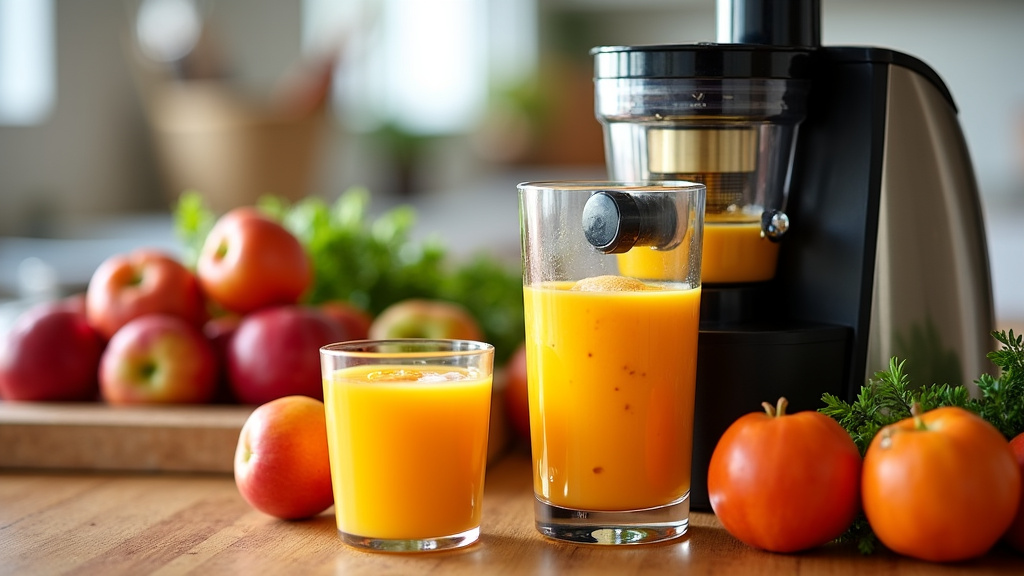
To really see the difference, let’s look at a hypothetical example. Imagine an apple.
| Method | Fiber Content | Nutrient Profile | Satiety (Feeling Full) |
|---|---|---|---|
| Whole Apple | High | Balanced (vitamins, minerals, fiber, natural sugars) | High |
| Apple Juice | Very Low | Concentrated vitamins & minerals, natural sugars, low fiber | Low |
| Apple Smoothie | High | Balanced (vitamins, minerals, fiber, natural sugars) | High |
As you can see, the whole apple and the smoothie keep the fiber. The juice, however, loses most of it. This is why nutritionists often suggest you eat your fruits and vegetables whenever possible.
Making Informed Choices About Your Drinks
Understanding that juicing removes fiber is important for your dietary choices. If you enjoy juicing, it can still be a part of a healthy lifestyle. You’re getting a good dose of vitamins and hydration. Just be aware of what you’re missing and consider how it fits into your overall fiber intake goals.
For example, if you drink juice every day, you might want to make sure you’re getting plenty of fiber from other sources, like whole grains, beans, nuts, seeds, and other fruits and vegetables that you eat rather than juice. It’s all about balance and knowing what your body is getting and what it’s missing.
Is Juicing Bad for You? Not Necessarily, But Understand the Trade-offs
Juicing itself isn’t inherently “bad.” Many people find it a refreshing way to consume a variety of produce. It can be a great way to introduce new vegetables into your diet. For instance, it’s easier for some to drink a carrot and ginger juice than to eat a pound of carrots raw.
The key is to have realistic expectations and a balanced approach. If your goal is to increase your fiber intake, juicing alone won’t achieve that. If your goal is a quick, nutrient-rich beverage, then juice can fit the bill. Just remember the fiber is left behind with the pulp.
Key Takeaways for Your Diet
To sum up the fiber situation with juicing, here are a few points to keep in mind:
- Juicing separates juice from pulp.
- Most of the fiber is in the discarded pulp.
- You miss out on fiber’s benefits for fullness and digestion.
- Juice can cause quicker blood sugar changes than whole produce.
- Smoothies keep the fiber, unlike juices.
- Balance your juice intake with fiber-rich foods.
Knowing these differences helps you make smarter choices for your health and nutritional needs. It’s not about saying juice is “bad,” but understanding exactly what you’re drinking.
Conclusion
So, we’ve seen that juicing does indeed remove most of the fiber from your fruits and vegetables. The pulp, where fiber lives, is separated by the juicer. This means you get a nutrient-packed drink but miss out on fiber’s benefits like helping you feel full and supporting your gut. While juice offers concentrated vitamins, it doesn’t provide the same digestive ease as whole produce or smoothies. To make informed choices, consider balancing your juice consumption with plenty of fiber-rich whole foods. Your body will thank you for the added fiber!
Frequently Asked Questions
If juicing removes fiber, is it still healthy?
Yes, juicing can still be part of a healthy diet. You get a concentrated dose of vitamins, minerals, and hydration. It’s a great way to consume more produce if you find it hard to eat large amounts whole. Just be aware you’re not getting the fiber content you’d get from eating the produce itself.
Can I add fiber back into my juice?
You can try to add some fiber back by adding the pulp from your juicer to other foods, like muffins or bread. You could also consider blending your juice with a spoonful of chia seeds or psyllium husk. However, it’s hard to fully replicate the fiber naturally present in whole fruits and vegetables.
Why do some people prefer juice over whole fruits and vegetables?
Some people prefer juice for convenience or taste. It can be easier to drink a glass of juice than to eat several pounds of vegetables. For individuals with certain digestive issues, a low-fiber diet might be recommended, making juice a more suitable option in those specific cases.
Is drinking juice bad for my blood sugar?
Juice can cause a quicker rise in blood sugar compared to eating whole fruits because the fiber that slows sugar absorption is removed. If you have diabetes or are monitoring your sugar intake, it’s important to be mindful of this. Pairing juice with a fiber-rich snack or choosing whole fruits is generally better for blood sugar control.
What’s the main difference between a smoothie and juice regarding fiber?
The key difference is that smoothies are made in a blender, which breaks down the whole fruit or vegetable but keeps all the parts, including the fiber, in the final drink. Juicing, on the other hand, uses a juicer that actively separates and discards the fibrous pulp, leaving you with a fiber-poor liquid.