Does Juice Contain Fiber? The Short Answer
On this page (7 sections)
No, most juices do not contain fiber. When fruit is juiced, the fibrous pulp is typically removed. This means you miss out on many of the health benefits of fiber. While juice offers vitamins, it lacks the gut-friendly goodness that whole fruits provide.
Whole fruits and vegetables are your best source for dietary fiber. Juicing concentrates sugars while stripping away this important nutrient. For a fiber boost, it’s always better to eat the fruit rather than drink its juice. We found that many shoppers are surprised by this.
TL;DR:
- Most juices have very little to no fiber.
- Fiber is mostly removed during the juicing process.
- Whole fruits are a much better source of fiber.
- Juice contains sugar but lacks fiber’s benefits.
Let’s dive into why juice lacks fiber and what you can do about it.
You’re probably sipping on some orange juice right now, or maybe you’re thinking about grabbing a carton of apple juice from the store. It’s a common habit for many of us. You get a burst of flavor and think you’re doing something good for your health, right? But have you ever stopped to wonder about the fiber content in that juice? Does juice actually contain the fiber that we know is so good for us?
Understanding Fiber in Your Diet
The quick answer is: most juices have little to no fiber. We need to understand what fiber is and how it gets into or out of our food. Fiber is a type of carbohydrate found in plant-based foods. It’s the part of fruits, vegetables, and grains that your body can’t digest. This might sound odd, but it’s actually quite important.
What Does Fiber Do for You?
Fiber plays a huge role in keeping your digestive system happy. It helps you feel full longer, which can be great for managing your weight. It also helps regulate blood sugar levels. Plus, it aids in keeping things moving smoothly through your gut. This means it can help prevent constipation.
There are two main types of fiber: soluble and insoluble. Soluble fiber dissolves in water. It can help lower cholesterol and glucose levels. Insoluble fiber does not dissolve in water. It adds bulk to your stool, helping it pass more quickly through your digestive tract. Both types are essential for good health (Mayo Clinic).
How Juicing Affects Fiber Content
Now, let’s look at how juicing changes the game for fiber. When you juice a fruit or vegetable, you’re essentially extracting the liquid. The machine or process used separates juice from pulp. These solid parts are where most of the fiber lives.
The Juicing Process Explained
Think about making orange juice. You peel the oranges, and then you squeeze them. The juice comes out, but the peel and the pith (that white stringy stuff) are left behind. These parts contain a good amount of fiber. Even the membranes inside the orange segments have fiber.
Most commercial juicing operations work similarly. They use machines to press or centrifuge fruits and vegetables. The goal is to get as much liquid as possible. The leftover pulp, which is full of fiber, is usually discarded or used for animal feed. This is why store-bought juices, and even homemade ones made with a typical juicer, end up with very little fiber.
What About Smoothies?
You might be thinking, “What about smoothies?” Smoothies are often made by blending whole fruits and vegetables. Blending doesn’t break down the fiber as much as juicing does. Instead, it chops it up.
So, when you drink a smoothie made from whole fruits, you’re likely getting much more fiber than from juice. It’s still important to check the ingredients. If a smoothie recipe calls for adding juice, that added juice won’t contribute much fiber. However, the blended whole fruits and veggies in the smoothie itself will still provide fiber. We found that many people confuse smoothies with juices, but they are quite different in their fiber content. We found that many people confuse smoothies with juices, but they are quite different in their fiber content.
Comparing Juice to Whole Fruits and Vegetables
It’s helpful to see how juice stacks up against eating the whole food. This comparison really highlights the difference. Let’s look at a common example: oranges.
Orange Juice vs. Whole Oranges
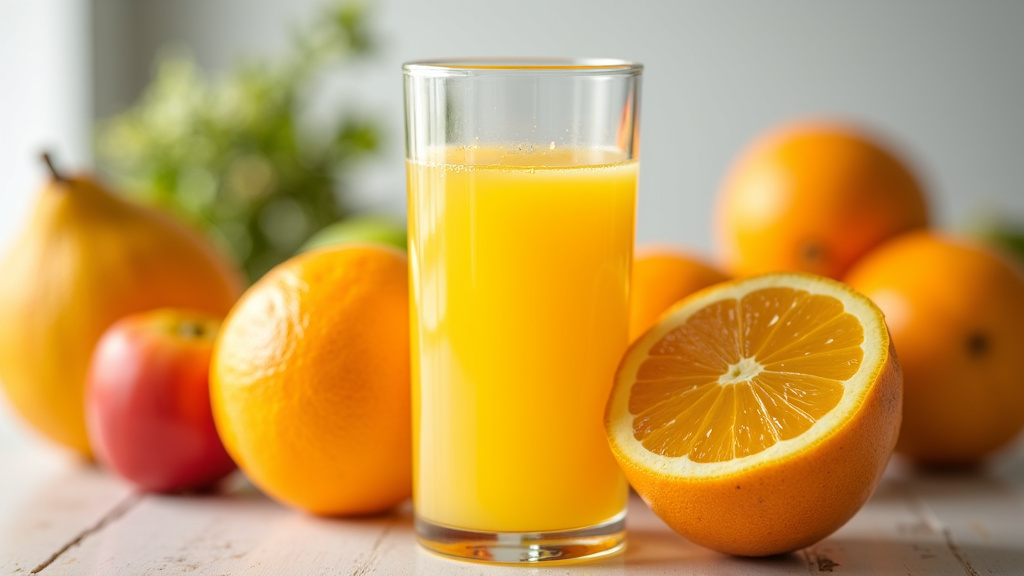
A medium orange has about 3 grams of fiber. This is a decent amount that contributes to your daily intake. Now, consider a glass of orange juice made from about 3-4 oranges. You’ll get the vitamins, like Vitamin C, but you’ll likely get less than 1 gram of fiber, if any.
The juicing process removes the pulp and membranes, which are rich in fiber. What you’re left with is mostly the sugar and water from the fruit. The concentration of sugar can be quite high in juice. This means you’re getting a quick sugar rush without the balancing effect of fiber.
Apple Juice vs. Whole Apples
It’s the same story with apples. A medium apple, eaten with its skin, contains around 4 grams of fiber. Apple juice, on the other hand, is mostly sugar water. It might have a tiny bit of fiber, but it’s often negligible.
Many experts agree that eating whole fruits and vegetables is the best way to get fiber. The American Heart Association recommends aiming for 25-30 grams of fiber per day. You can reach this goal much more easily by eating whole foods than by drinking juice.
Vegetable Juices: A Slightly Better Option?
What about vegetable juices like carrot or tomato juice? Some vegetable juices might retain a little more fiber than fruit juices. This depends on how they are processed. For instance, tomato juice often has some pulp, which contains fiber.
However, even vegetable juices typically have much less fiber than eating the whole vegetable. A cup of raw carrots has about 3.5 grams of fiber. A cup of carrot juice will have significantly less. So, while vegetable juices can offer vitamins and minerals, they are not a good source of fiber.
| Food Item | Approximate Fiber Content |
|---|---|
| Medium Orange | 3 grams |
| Glass of Orange Juice (from 3-4 oranges) | < 1 gram |
| Medium Apple (with skin) | 4 grams |
| Glass of Apple Juice | Very little or none |
| Cup of Raw Carrots | 3.5 grams |
| Cup of Carrot Juice | Less than 1 gram |
Why Fiber Matters More Than You Think
It’s easy to overlook fiber. We often focus on vitamins and minerals, which are certainly important. But fiber provides unique benefits that you simply don’t get from the liquid part of fruits and vegetables.
The Gut Health Connection
Your gut microbiome is a complex ecosystem of bacteria. Fiber acts as a prebiotic. This means it feeds the beneficial bacteria in your gut. When these good bacteria thrive, they produce compounds that are vital for your health. They help digest food, produce vitamins, and support your immune system.
When you drink juice, you miss out on this prebiotic effect. You’re essentially skipping a crucial meal for your gut bacteria. This can impact your overall digestive health over time. Many studies highlight the importance of dietary fiber for a healthy gut (National Institutes of Health).
Impact on Blood Sugar and Satiety
Fiber slows down the absorption of sugar into your bloodstream. This prevents sharp spikes and crashes in blood sugar levels. This is particularly important for people managing diabetes or trying to maintain stable energy levels. Juice, with its concentrated sugars and lack of fiber, causes rapid blood sugar increases.
Furthermore, fiber helps you feel full and satisfied after eating. This feeling of satiety can prevent overeating and help with weight management. When you drink juice, you might feel thirsty but not truly full. You could end up consuming more calories overall because the fiber isn’t there to signal fullness.
Making Healthier Choices for Fiber Intake
So, if juice isn’t the fiber champion, what can you do? The good news is that increasing your fiber intake is quite straightforward. It just requires a slight shift in how you think about your fruits and vegetables.
Prioritize Whole Foods
The simplest and most effective way to get fiber is to eat your fruits and vegetables whole. Keep the skin on apples and pears when possible. Eat the pulp in your oranges and grapefruits. Snack on raw vegetables like carrots, celery, and bell peppers. These are all excellent sources of fiber.
Consider Your Smoothie Habits
As mentioned, smoothies can be a good way to get fiber. Just make sure you’re blending whole fruits and vegetables. Avoid adding fruit juices to your smoothies. Using water, milk, or unsweetened plant-based milk as your liquid base is a better choice.
Reading Labels Matters
When you buy packaged foods, always check the nutrition label for fiber content. Look for options that provide at least 3 grams of fiber per serving. Be mindful of added sugars, especially in juices and other beverages.
Checklist for Boosting Fiber
- Always choose whole fruits over juice when possible.
- Include the skins of fruits like apples and pears for extra fiber.
- Make smoothies with whole produce, not added juices.
- Incorporate plenty of vegetables into your meals and snacks.
- Read nutrition labels and aim for foods with higher fiber.
- When in doubt, eat the pulp!
Conclusion
So, you’ve learned that most juices don’t offer the fiber you need. The juicing process removes most of this important nutrient, leaving you with mostly sugar and vitamins. While juice can be a tasty treat, it misses out on the gut-health benefits and fullness that fiber provides. For your health, prioritize eating whole fruits and vegetables. This simple change ensures you get all the fiber your body needs to thrive.
Frequently Asked Questions
Can I get any fiber from store-bought juice?
Generally, no. Most store-bought juices have had the fiber-rich pulp removed during processing. You might find a tiny amount in some pulp-containing varieties, but it’s usually not enough to make a difference. Always check the nutrition label for fiber content, but expect it to be very low or zero.
Are there any juices that do contain fiber?
Some specialty juices or those labeled as “with pulp” might contain a small amount of fiber. However, even these will have significantly less fiber than eating the whole fruit. Vegetable juices, like tomato juice, can sometimes retain a bit more pulp and fiber than fruit juices.
Why is fiber so important if I’m already getting vitamins from juice?
Vitamins are great, but fiber offers unique benefits. It helps regulate blood sugar, keeps you feeling full longer, and feeds the good bacteria in your gut. These functions are essential for digestive health and overall well-being, and you simply don’t get them from juice alone.
Is it better to drink juice or eat a whole fruit for my health?
For fiber and overall health benefits, eating the whole fruit is always better. You get the fiber, the natural sugars are digested more slowly, and you benefit from the synergistic nutrients. Juice concentrates the sugars and removes the fiber, offering a less balanced nutritional profile.
Can I add fiber back into my juice?
While you could technically add fiber supplements to juice, it’s not the same as getting fiber from whole foods. The best way to increase your fiber intake is to eat whole fruits, vegetables, and other whole foods. This approach provides fiber in its natural, beneficial form.