What Does Cold Pressed Juice Mean? The Simple Explanation
Cold pressed juice is a method of extracting juice from fruits and vegetables without using heat. It uses a hydraulic press to gently squeeze the produce, which keeps more vitamins and enzymes intact. If you see this label on a bottle, it means the juice wasn’t heated during the process.
This technique is popular because it’s thought to preserve more of the natural nutrients and flavors found in the fresh produce. We found that many people choose it for a minimally processed drink option. It’s a simple way to get a concentrated dose of fruit and vegetable goodness without extra cooking.
- Cold pressing uses pressure, not heat, to make juice.
- This method can help keep more vitamins and enzymes from the fruits and veggies.
- The juice often tastes fresher and can be more nutrient-dense than some other juices.
- Look for it in the refrigerated section, as it doesn’t have the same shelf life as pasteurized juice.
- It’s a straightforward, less processed choice for your juice habit.
Let’s walk through exactly how this process works and what it means for the juice in your glass. Below, we break down everything you need to know about cold pressed juice, from the press itself to what it means for your health.
Understanding Cold Pressed Juice
Cold pressed juice is simply juice made without applying heat during extraction. The term “cold” refers to the temperature, not the final drink. It describes a mechanical process using immense pressure to separate juice from pulp. This method aims to keep the juice as close to its raw state as possible.
The Core Process: Pressure Over Heat
The magic happens with a hydraulic press. Imagine a giant, powerful press that slowly squeezes a bag of chopped fruits and vegetables. This intense pressure crushes the plant cells, releasing the juice. It’s like wringing out a sponge, but with much more force. We found that this gentle squeezing action is key to the cold-pressed claim.
Why Avoiding Heat Matters
Heat can change the chemical structure of vitamins and delicate plant compounds. Think about cooking spinach; it wilts and darkens. Similar changes can happen to nutrients when juice is pasteurized or exposed to heat. The cold-press process avoids this by keeping temperatures low throughout.
Step-by-Step: From Fruit to Bottle
First, the produce is washed and chopped. It’s then placed in a perforated container lined with a cloth. The hydraulic press applies several tons of pressure, squeezing the juice out while leaving the dry pulp behind. The juice is immediately bottled. Research from the journal Food Chemistry notes that this physical extraction can yield juice with higher levels of certain phytonutrients compared to high-speed centrifugal juicers.
How Cold Pressing Affects Nutrients and Taste
The main reason people choose cold-pressed juice is the potential for better nutrition and flavor. By avoiding heat and high-speed blades, the process is believed to be gentler on the produce’s natural components.
Preserving Vitamins and Plant Compounds
Many vitamins, like vitamin C and some B vitamins, are sensitive to heat and oxygen. A high-speed blender or centrifugal juicer generates some heat and introduces air. Studies, including one from the Journal of Food Science, have shown that cold-press methods can result in juices with higher vitamin C retention and more intact polyphenols compared to other methods.
The Enzyme Question
Enzymes are proteins that help your body break down food. Some believe raw juice should contain active enzymes for better digestion. The cold-press process doesn’t destroy these enzymes because there’s no heat. However, their benefit once you drink them is still a topic of scientific discussion.
A Fresher, Fuller Taste
Have you noticed cold-pressed juice often tastes more “alive”? That’s partly because it hasn’t been thermally altered. The flavors remain true to the original fruit or vegetable. The texture can also be slightly thicker and less frothy, which some people prefer. It’s a more direct, unadulterated taste of the produce itself.
Cold Pressed vs. Traditional Juicing: What’s the Real Difference?
When you’re standing in the juice aisle, you’ll see two main types. Understanding the difference helps you choose what fits your needs and budget.
Extraction Methods Compared
Traditional or “centrifugal” juicers use a fast-spinning blade and a mesh filter. They’re quick and common in home kitchens. However, they introduce air and create some friction, which can warm the juice slightly. Cold-press, or “masticating” or “hydraulic press” systems, are slower and use purely mechanical force without spinning blades.
A Simple Comparison Table
| Feature | Cold Pressed Juice | Centrifugal Juice |
|---|---|---|
| Extraction Force | Slow, hydraulic pressure | High-speed spinning blade |
| Heat Generation | Minimal to none | Some heat from friction |
| Oxygen Exposure | Less, leading to slower oxidation | More, leading to quicker separation |
| Shelf Life (Refrigerated) | 3 to 5 days typically | 1 to 3 days typically |
| Typical Cost | Higher, due to equipment and yield | Lower for home models |
The trade-off is often between speed and cost versus a potentially higher-quality end product.
What Does “Not From Concentrate” Mean in This Context?
You’ll often see “cold pressed” alongside “not from concentrate.” These are related but different concepts. Not from concentrate means the juice was made from fresh fruit, not from a dehydrated powder. Cold pressing describes how that juice was extracted from the fresh fruit. A juice can be not from concentrate but made with a centrifugal juicer.
Pasteurization: The Step Cold Pressing Avoids
Most grocery store juices are pasteurized. This involves heating the juice to a specific temperature for a set time to kill bacteria, making it shelf-stable. Cold-pressed juices are often unpasteurized (raw) or use a different process called High-Pressure Processing (HPP). HPP uses extreme water pressure instead of heat to kill microbes while maintaining the cold-pressed promise.
Buying Guidance
Check the label for terms like HPP or “high-pressure processed.” If a cold-pressed juice is shelf-stable at room temperature, it has likely undergone HPP. If it requires refrigeration and has a short sell-by date, it’s probably truly raw. Both are safe when handled correctly, but the shelf life differs.
Is Cold Pressed Juice Actually Healthier?
This is the million-dollar question. The honest answer is: it depends on your goals and what you compare it to. It’s not a magic health potion, but it can be a better option than some alternatives.
The Potential Benefits
Compared to juice from concentrate or heavily processed juice blends, cold-pressed juice may retain more of the fresh produce’s original vitamins and phytonutrients. It also typically has no added sugars or preservatives. Many experts, like those at the Cleveland Clinic, recommend whole fruits and vegetables first. However, for a juice option, a cold-pressed vegetable blend can be a concentrated source of certain nutrients.
A Balanced Perspective
It’s still juice. It lacks the fiber of whole produce, which helps regulate blood sugar absorption. Drinking it isn’t a substitute for eating vegetables. Think of it as a supplemental way to increase your produce intake, not a core meal replacement. The benefit comes from what it is (vegetable juice) and what it isn’t (highly processed with additives).
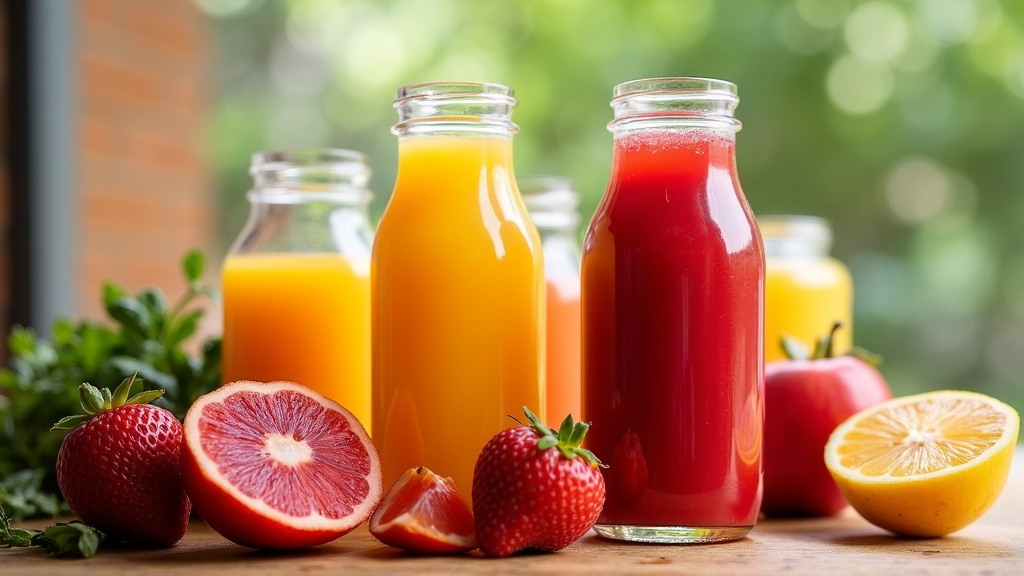
How to Identify True Cold Pressed Juice
The label is your best friend. With growing demand, marketing can sometimes be misleading. Here’s how to cut through the noise.
Label Literacy Checklist
Look for these specific clues on the bottle. This checklist helps you make a confident choice.
- Phrase “Cold Pressed” or “Juice”: Should be clearly stated as the primary processing method.
- Refrigerated Location: It must be kept cold in the store. Check the cooler, not the shelf.
- Short Expiration Date: Real cold-pressed juice has a shelf life of days, not months.
- Ingredients List: Look for only fruits and/or vegetables. Nothing else.
- “HPP” or “High Pressure” Mention: This indicates an additional safety step that still aligns with cold principles.
- Opaque Packaging: Often used to protect the juice from light degradation.
Watch for These Red Flags
Be wary if the juice is on a non-refrigerated shelf. Also, if the ingredient list includes “juice from concentrate,” it’s not cold pressed. Some brands might say “cold blend” or “chilled,” which is different from the hydraulic pressing process.
Common Myths About Cold Pressed Juice
Let’s debunk a few frequent misconceptions to set the record straight.
Myth: It Has Zero Bacteria
Not necessarily. Raw, unpasteurized cold-pressed juice is not sterile. That’s why it must be refrigerated and consumed quickly. The HPP process does kill harmful pathogens, making it safer for a longer shelf life. Always practice good food safety with any refrigerated product.
Myth: All Nutrients Are Preserved
While the process is gentle, it’s not perfect. Oxygen exposure during cutting and pressing can still degrade some nutrients over time. Storage conditions and time also matter. It’s about maximizing retention, not achieving 100% preservation. This is why drinking it fresh is always best.
Making a Smart Choice for You
Choosing cold-pressed juice comes down to understanding what you’re paying for. It’s a premium product that prioritizes a minimal-processing method. You’re investing in a juice that aims to deliver a taste and nutrient profile closer to the original fruit.
Conclusion
Cold pressed juice simply means the juice was extracted using immense pressure, not heat. This gentle method helps keep more of the original vitamins, enzymes, and fresh flavors from your fruits and vegetables. You’re choosing a drink that is minimally processed, often without added sugars. It’s a straightforward way to get a concentrated dose of produce. Remember, it’s a supplement to whole foods, not a replacement. When you shop next time, head to the refrigerated section and check the label. Look for a short expiration date and only juice ingredients in the list. This helps you grab a bottle that truly fits the cold pressed promise.
Frequently Asked Questions
Does cold pressed juice have pulp?
Yes, it can. The hydraulic press squeezes out the juice while leaving the dry pulp behind. However, the final juice is often filtered for a smoother consistency. If you prefer a pulpy texture, check if the brand offers a “pulp-in” version.
Can I freeze cold pressed juice?
You can, but the texture and some nutrients may change upon thawing. Freezing is a good option if you won’t finish it before the short sell-by date. Be sure to leave space in the bottle for expansion and thaw it in the refrigerator.
How long does cold pressed juice last once opened?
After opening, you should drink it within 24 to 48 hours. Always keep it sealed and refrigerated. Oxygen exposure starts breaking down the nutrients and flavor, so freshness is key for the best taste and benefit.
Is cold pressed juice better than whole fruits?
Whole fruits and vegetables are generally recommended by experts due to their fiber content. Cold pressed juice is a concentrated source of vitamins but lacks that fiber. Think of it as a helpful supplement to increase your produce intake, not a perfect substitute.
What’s the difference between “cold pressed” and “cold blended”?
Cold pressed juice is made with a hydraulic press that squeezes produce. “Cold blended” typically describes a smoothie made in a blender without added heat. They are different processes; the press extracts pure juice, while blending incorporates everything including fiber.