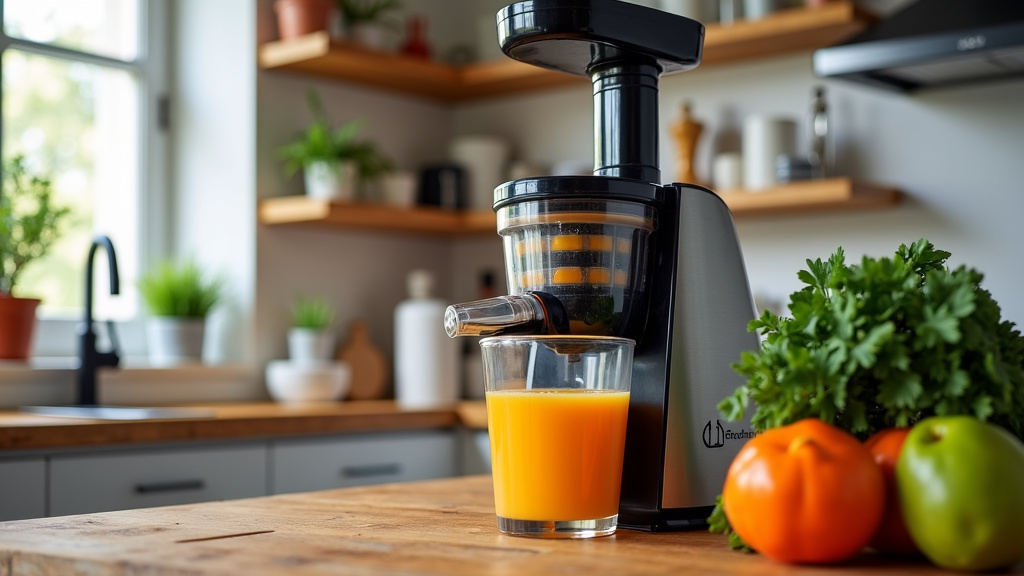
Understanding How a Hydraulic Press Juicer Works
You might be curious about the magic behind a hydraulic press juicer. How does it actually turn your favorite fruits and vegetables into delicious, healthy juice? It’s all about immense pressure applied slowly and steadily. This process is quite different from the fast-spinning centrifugal juicers you might be familiar with.
Instead of relying on high-speed blades or centrifugal force, a hydraulic press juicer uses a system designed to gently but powerfully crush your produce. This gentle crushing is key to why many people believe it produces a superior juice.
The Core Components and Their Roles
At its heart, a hydraulic press juicer consists of a few key parts that work together. You’ll typically find a pressing mechanism, a container for your produce, and a way to collect the juice. The real star, though, is the hydraulic system itself.
The Hydraulic System Explained
Think of the hydraulic system like a powerful, slow-motion squeezing machine. It uses a liquid, usually oil, and a pump to build up enormous pressure. This pressure is then transferred to a piston. When this piston is activated, it pushes down with incredible force.
How Produce is Prepared and Pressed
First, you’ll prepare your fruits and vegetables. This usually means chopping them into pieces that fit the juicer’s chute. Unlike some other juicers, you often don’t need to worry as much about removing seeds or cores, although checking your model’s manual is always wise. You then load the produce into a bag or container within the juicer.
Next, the hydraulic ram or piston slowly descends. It doesn’t just smash the produce; it applies steady, increasing pressure. This action gradually breaks down the cell walls of the plant material. As these cells rupture, the juice within them is released.
Juice Extraction and Pulp Separation
The design of the press allows the juice to flow out while keeping most of the solid pulp behind. Often, the produce is placed in a fine mesh bag. As the hydraulic press squeezes this bag, the juice is forced through the mesh, leaving the fibrous pulp inside. This separation is quite effective, leading to a very smooth juice.
The collected juice then drips into a separate container below. The result is typically a richer, more concentrated liquid with very little foam or froth. This is a stark contrast to the vigorous spinning action of other juicer types.
Comparing Hydraulic Press Juicing to Other Methods
It’s helpful to see how hydraulic press juicing stacks up against the more common types of juicers you’ll find. The main differences lie in the speed of operation and the resulting juice quality.
Hydraulic Press vs. Centrifugal Juicers
Centrifugal juicers use a fast-spinning blade to grate produce against a sieve. This action flings the juice outward using centrifugal force. While quick, this method can introduce heat and oxidation. Heat can degrade some nutrients, and oxidation can cause juice to lose flavor and color faster.
Hydraulic presses, on the other hand, operate at much lower speeds. This gentle extraction method preserves more of the natural enzymes and nutrients. Many studies suggest that slower juicing methods are better for nutrient retention (NCBI). The juice from a hydraulic press tends to be less frothy and has a longer shelf life due to less air being incorporated.
Hydraulic Press vs. Twin-Gear (Triturating) Juicers
Twin-gear juicers use two intermeshing gears to chew and grind produce. This is another slow juicing method that yields excellent juice quality. They are very effective at extracting juice from leafy greens. The primary difference between twin-gear and hydraulic press models often comes down to the mechanism of pressure.
Twin-gear juicers rely on the chewing action of the gears. Hydraulic presses use direct, massive pressing force. Both are considered masticating juicers and aim to preserve nutrients. Some users find hydraulic presses offer an even finer pulp separation. The choice often depends on specific needs, like juicing a lot of leafy greens versus harder fruits and vegetables.
What the “Press” Method Means for Your Juice
The hydraulic press method isn’t just a technical detail; it has tangible benefits for the juice you drink and the overall juicing experience. You’re essentially getting a more potent and pure form of your produce.
Higher Nutrient Yield and Retention
Because the hydraulic press slowly crushes the produce, it effectively breaks open more of the plant cells. This means that more vitamins, minerals, and beneficial plant compounds, like antioxidants, are released into the juice. The slow, low-heat process helps to preserve these delicate nutrients. Research indicates that slower juicing methods generally lead to higher nutrient retention (Journal of Food Science).
Think of it like gently squeezing an orange versus smashing it. When you gently squeeze, you get the most juice with the least damage. The hydraulic press does this on a much larger scale, ensuring you get the most goodness from your fruits and veggies. This makes your juice a truly nutrient-dense beverage.
Smoother Texture and Better Flavor
The fine mesh and slow pressing action mean that very little pulp makes it into your final juice. This results in a remarkably smooth, velvety texture. Many people find this more appealing than the sometimes gritty or fibrous texture from other juicers.
Furthermore, because there’s less oxidation, the flavors are often more vibrant and true to the original produce. You’ll taste the crispness of your apple or the sweetness of your carrot more clearly. The juice is also less likely to separate quickly, meaning you can enjoy its full flavor profile from the first sip to the last.
Less Waste and More Juice Volume
One of the advantages of the powerful, sustained pressure from a hydraulic press is its efficiency. It can extract a higher volume of juice from the same amount of produce compared to some other juicer types. This means you get more juice for your money and less waste.
The leftover pulp is often drier and more compacted. This dryness indicates that almost all the liquid has been pressed out. You’ll find yourself needing to buy less produce to make your desired amount of juice, which is both economical and good for reducing food waste.
Key Benefits of Using a Hydraulic Press Juicer: A Quick Look
To summarize, choosing a hydraulic press juicer offers several distinct advantages:
- Maximum Nutrient Preservation: Slow, low-heat extraction retains more vitamins and enzymes.
- Superior Juice Quality: Expect smoother texture and richer, cleaner flavors.
- Higher Juice Yield: Get more juice from less produce, reducing waste.
- Less Pulp: Enjoy a nearly pulp-free, easy-to-drink juice.
- Longer Juice Shelf Life: Less oxidation means your juice stays fresh longer.
- Efficient Operation: Powerful pressing ensures every drop is extracted.
Is a Hydraulic Press Juicer Right for You?
Now that you know how these powerful machines work, you can consider if one fits your lifestyle. If you prioritize maximum nutrient extraction and the highest quality juice, a hydraulic press juicer is a strong contender. They excel at juicing a wide variety of produce, from soft berries to tough root vegetables and leafy greens.
While they may be an investment, the benefits in terms of juice quality and efficiency can make them worthwhile. Think about how you plan to use your juicer most often. If you’re serious about maximizing the health benefits of your fresh juices and appreciate a smooth, delicious taste, a hydraulic press juicer could be an excellent choice for your kitchen.