How Does a Juicer Blade Work? What This Really Means
On this page (7 sections)
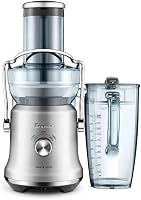
A juicer blade works by spinning at high speeds to cut and shred fruits and vegetables into tiny pieces. This action forces the juice out through tiny openings or a mesh screen, leaving the pulp behind. It’s essentially a high-tech shredder for your produce.
Understanding how your juicer’s blade functions helps you appreciate the science behind fresh juice. Different juicer types might use blades differently, but the core principle remains the same: breaking down plant cells to release their liquid. This method is key to getting the most nutritious liquid from your ingredients.
- Juicer blades spin fast to chop produce.
- This action separates juice from pulp.
- It’s a mechanical process of breaking down cells.
- Different juicers might have slight blade variations.
Let’s get into the specifics of how these blades do their job so you can get the best juice possible.
Understanding How Your Juicer Blade Slices and Dices
So, you’ve got a juicer and you’re wondering how that spinning part actually turns your apples and kale into liquid gold. It’s a pretty neat process, really. Think of your juicer’s blade as a tiny, super-fast chef’s knife. Its main job is to break down fruits and vegetables into pieces so small that the juice can easily escape.
The magic happens because of high-speed rotation. This rapid spinning action is what allows the blade to do its work efficiently. It’s not just about cutting; it’s about pulverizing. This process is designed to tear apart the plant cells and release all that delicious, nutritious liquid trapped inside.
The Mechanics of Juicer Blades: What’s Really Happening
At its core, a juicer blade works by shear force and impact. When you turn on your juicer, the motor spins the blade at a very high revolutions per minute (RPM). This speed is key to its effectiveness. The blade is designed with sharp edges, or sometimes blunt edges that rely on friction and impact.
As the produce hits the spinning blade, it’s chopped, shredded, and mashed. This action breaks the cellular walls of the plants. Once these walls are broken, the juice stored within them is released. It’s a mechanical process, not a chemical one, that helps you get your daily dose of vitamins and minerals.
Types of Juicer Blades and How They Differ
Not all juicers are built the same, and neither are their blades. The design of the blade often depends on the type of juicer it’s part of. This variation impacts how the juice is extracted.
Centrifugal Juicers: The Speedy Shredders
These are the most common types of juicers you’ll find. Centrifugal juicers have a flat blade at the bottom of a spinning basket. The produce is fed into a chute and hits this fast-spinning blade. It’s like a food processor combined with a strainer.
The blade chops the fruit and vegetables into very small pieces. These pieces are then flung outwards against a mesh screen by centrifugal force. The juice passes through the screen, while the pulp is collected in a separate container. The speed is your friend here for quick juicing.
Masticating Juicers: The Slow and Steady Chewers
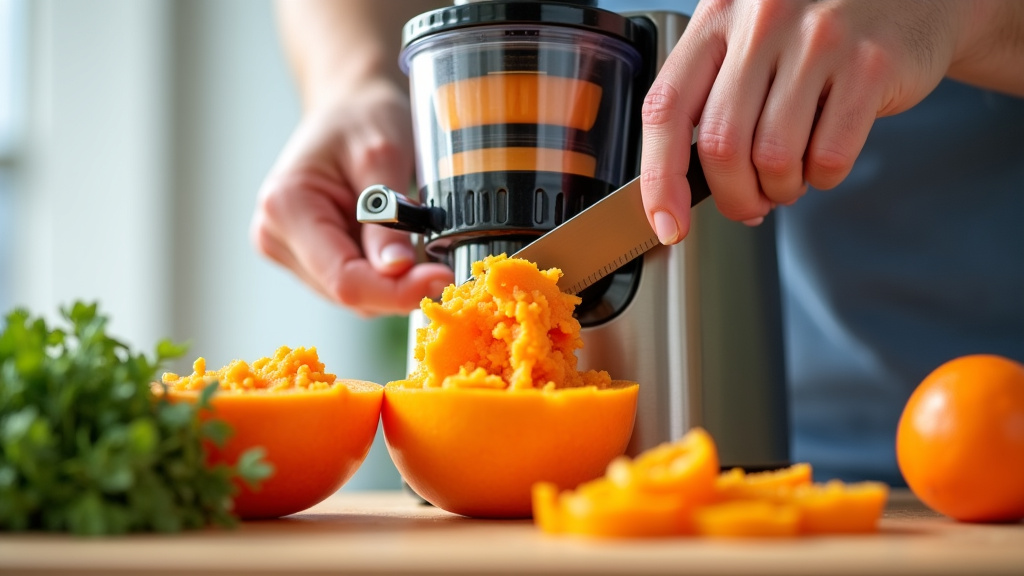
Also known as slow juicers, these use a different approach. Instead of a sharp blade, they typically have a single auger—a screw-like mechanism. This auger rotates slowly and crushes the produce against a screen.
The auger essentially grinds and squeezes the fruits and vegetables. This slow crushing action breaks down the plant material. It then pushes the pulp against a screen, allowing the juice to be extracted. Many people find these juicers extract more juice and preserve more nutrients because of the gentle, low-speed process.
Twin-Gear Juicers: The Powerful Crushers
These are a type of masticating juicer that uses two intermeshing gears or augers. As the gears rotate, they powerfully chew and crush the produce. This dual-action grinding is very effective.
The interlocking gears work together to break down fibrous ingredients like leafy greens with great efficiency. They then squeeze the juice out through a screen. This method is known for producing very dry pulp and high juice yields, but they tend to be more expensive.
The Role of Speed and Sharpness
The speed at which a juicer blade spins is a critical factor. Higher speeds in centrifugal juicers mean faster juicing. However, some research suggests that excessive speed and heat generation can potentially degrade certain heat-sensitive nutrients (National Institutes of Health).
On the other hand, masticating juicers operate at much lower speeds. This slower process generates less heat. This is often cited as a benefit for preserving enzymes and nutrients. The “sharpness” of the blade is also important, but in many juicers, it’s more about the impact and abrasion than a razor-sharp edge like you’d find in a kitchen knife.
Juice Extraction: From Blade to Glass
Once the blade has done its work of breaking down the produce, the next step is separating the juice from the pulp. This is where the design of the juicer as a whole comes into play, working in concert with the blade.
Separating Juice from Pulp: The Science of Strainers and Screens
In centrifugal juicers, the finely chopped produce is forced through a mesh sieve. The small holes in the mesh allow the liquid juice to pass through. The larger solid pieces of pulp are caught by the mesh and moved to the pulp collector.
Masticating and twin-gear juicers use a screen, often with smaller holes than a centrifugal juicer’s mesh. The auger or gears crush the produce against this screen, forcing the juice out. The pulp remains inside the juicer, pressed against the screen.
What Happens to the Pulp?
The pulp is the leftover solid material after the juice has been extracted. It contains fiber, skin, and seeds. While most of the juice is the watery part of the produce, the pulp still holds some nutrients. Many people find ways to reuse their juicer pulp, such as adding it to baked goods, compost, or even making veggie burgers.
Making the Right Choice for Your Kitchen
Understanding how juicer blades work can help you choose the right juicer for your needs. Are you looking for speed and convenience, or are you more concerned with maximizing nutrient retention and juice yield?
Here’s a quick rundown to help you think about it:
- Centrifugal juicers are generally faster and easier to clean.
- Masticating juicers offer higher juice yields and nutrient preservation.
- Twin-gear juicers are the most efficient for tough ingredients but come at a higher price point.
The blade is the heart of the juicer’s action. Whether it’s a high-speed shredder or a slow-crushing auger, its job is to break down your produce so you can enjoy fresh, healthy juice.
Caring for Your Juicer Blade for Longevity
Your juicer blade is a key component. Keeping it clean and well-maintained ensures it works effectively and lasts longer. After each use, it’s important to clean the blade assembly thoroughly.
Cleaning Your Blade Assembly: Simple Steps
Most juicer blades can be cleaned with warm, soapy water and a soft brush. For tougher residue, a baking soda paste can work wonders. Always refer to your juicer’s manual for specific cleaning instructions.
Make sure the blade is completely dry before reassembling your juicer. This prevents rust and keeps everything working smoothly. A well-maintained blade means better juice every time you use your machine.
Think of it this way: you wouldn’t let your best chef’s knife get dull and rusty, right? Treat your juicer’s blade with the same care, and it will serve you well for years to come.
Conclusion
You now understand that your juicer blade is the engine behind your fresh juice. Whether it’s a high-speed shredder in a centrifugal model or a slow-crushing auger in a masticating one, its main job is breaking down produce. This action releases the liquid goodness you love. By knowing how the blade works and how to care for it, you can consistently make delicious, nutrient-rich juice. Ready to get the best results from your machine? Make sure to clean your blade assembly thoroughly after every use for optimal performance and longevity.
Frequently Asked Questions
Do juicer blades get dull over time?
Yes, juicer blades can experience wear. For centrifugal juicers, the fast spinning can cause abrasion. Masticating juicers’ augers can also wear down with heavy use. Regular cleaning and proper maintenance help extend their lifespan.
Can I juice hard vegetables like carrots with any juicer blade?
It depends on the juicer type. Centrifugal juicers can handle harder produce but may generate more heat. Masticating and twin-gear juicers are generally better at breaking down tough, fibrous vegetables like carrots, often yielding more juice.
How does the blade affect the amount of juice I get?
The blade’s effectiveness in breaking down plant cells directly impacts juice yield. Slower, crushing methods found in masticating juicers tend to extract more liquid than the rapid shredding of centrifugal juicers, often resulting in drier pulp.
Is there a difference in nutrient loss based on the blade type?
Research suggests that high-speed blades in centrifugal juicers can generate heat, potentially affecting some heat-sensitive nutrients. The slower, gentler action of masticating juicer blades typically results in less heat and may preserve more of these delicate nutrients.
What’s the best way to clean a juicer blade that has dried-on residue?
For dried-on pulp, a paste made from baking soda and water can be very effective. Let it sit on the blade for a few minutes before gently scrubbing with a soft brush. Always rinse thoroughly and ensure the blade is completely dry afterward.