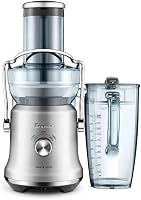
What Is a Juicer Blade? The Basics Made Simple
On this page (8 sections)
A juicer blade is the sharp component inside your juicer that spins at high speeds to shred and pulverize fruits and vegetables, extracting their juice. It’s the hardworking part that gets the job done, turning whole produce into delicious liquid goodness. Think of it as the juicer’s teeth, essential for every drop you get.
Understanding the juicer blade helps you get the most from your machine. Different juicers use different types of blades, impacting juice yield and pulp consistency. Proper care ensures your blade stays sharp and efficient, making your juicing experience much smoother. Keeping it clean is also key for health and taste.
TL;DR:
- A juicer blade is the part that cuts produce.
- It’s essential for getting juice.
- Different juicers have different blades.
- Keeping your blade sharp and clean matters.
- It helps you get the best juice possible.
Ready to learn more about this vital juicer part? Below, we’ll break down exactly what a juicer blade is and why it’s so important for your fresh juice.
Understanding Your Juicer’s Sharpest Component
The part of your juicer that does all the heavy lifting is its blade. This is what spins incredibly fast to break down fruits and vegetables. Without a sharp, working blade, you wouldn’t get any juice at all. It’s the engine of your juicing operation.
Think of it like the blades on a blender or a food processor. They are designed to cut, tear, and mash ingredients. A juicer blade does this efficiently to separate the liquid from the solid pulp. We’ll look at how these blades work and what makes them tick.
What Exactly Is a Juicer Blade?
At its core, a juicer blade is a sharp cutting tool. It’s usually made of durable metal, often stainless steel. This blade attaches to the motor of your juicer. When you turn the juicer on, the motor makes the blade spin at very high speeds. This rapid spinning motion is what pulverizes your produce.
The blade’s job is to shred the fruits and vegetables into tiny pieces. As it does this, it helps release the juice from the plant cells. This is the start of the juice extraction process. It’s a simple idea, but it’s incredibly effective.
Where Is the Blade Located?
The exact location of the blade depends on the type of juicer you have. In most centrifugal juicers, the blade is at the bottom of the juicing bowl. It’s attached to a motor shaft that sticks up through the center. Produce is fed down through a chute and lands on this spinning blade.
For masticating or slow juicers, the process is a bit different. These often use an auger, which is like a screw. This auger has blades or ridges on it. It slowly crushes and presses the produce against a screen to extract the juice. The blade here is more about grinding and pressing than high-speed cutting.
What Is the Blade Made Of?
Most juicer blades are made from stainless steel. This material is chosen for a few good reasons. Stainless steel is strong and durable, so it can withstand the constant spinning and impact from fruits and vegetables. It’s also resistant to rust and corrosion, which is important when dealing with wet produce and cleaning.
Some higher-end juicers might use titanium or other specialized alloys. These can offer even greater durability or sharpness. However, for most home juicers, high-quality stainless steel is the standard. It provides a good balance of performance and cost.
How Does the Juicer Blade Work?
The magic of juicing happens because of how the blade interacts with your produce. When you turn on your juicer, the blade starts spinning. It can spin at thousands of revolutions per minute. This speed is key to breaking down the cellular structure of fruits and vegetables.
As the produce hits the spinning blade, it’s instantly shredded into very small pieces. This action breaks open the cells that hold the juice. The spinning motion also creates a centrifugal force. This force helps push the liquid juice away from the solid pulp. It’s a dual action of cutting and separating.
The Role of Speed and Sharpness
The speed of the blade is a major factor in how much juice you get. Higher speeds can break down produce more thoroughly. This often leads to a higher juice yield. However, very high speeds can also generate heat. Some people worry this heat might degrade certain nutrients in the juice. Learn how the speed of the blade impacts heat generation and nutrient preservation in your juice.
The sharpness of the blade is equally important. A sharp blade cuts more cleanly and efficiently. This means it can break down produce with less effort. A dull blade might mash or bruise the produce instead of cutting it. This can result in less juice and more pulp in your final drink. It also puts more strain on the juicer’s motor.
Blade Design and Juice Extraction
The shape and design of the blade itself matter. Some blades have multiple cutting edges. Others might have a more serrated design. The goal is always to maximize the shredding and pulverizing action. This helps release as much juice as possible.
In many centrifugal juicers, the blade is part of a larger filter basket. The shredded produce is thrown against the sides of this basket. The basket has tiny holes that let the juice pass through. The pulp, which is too large to fit through the holes, is collected separately. The blade’s efficiency directly impacts how well the basket can do its job.
Different Types of Juicer Blades You Might Encounter
Not all juicers have the same kind of blade. The technology used in your juicer will determine the blade’s design. Understanding this can help you appreciate why some juicers perform differently than others.
Blades in Centrifugal Juicers
Centrifugal juicers are very common. They use a high-speed spinning blade. This blade is usually a metal disc with sharp edges. It sits at the bottom of the juicing chute, often integrated into a filter basket. Produce is fed into the chute, hits the spinning blade, and is instantly shredded.
The shredded material is then flung outwards by centrifugal force. This force pushes the juice through a mesh screen, separating it from the pulp. The pulp gets caught inside the screen. These juicers are known for being fast and producing a lot of juice quickly.
Augers in Masticating Juicers
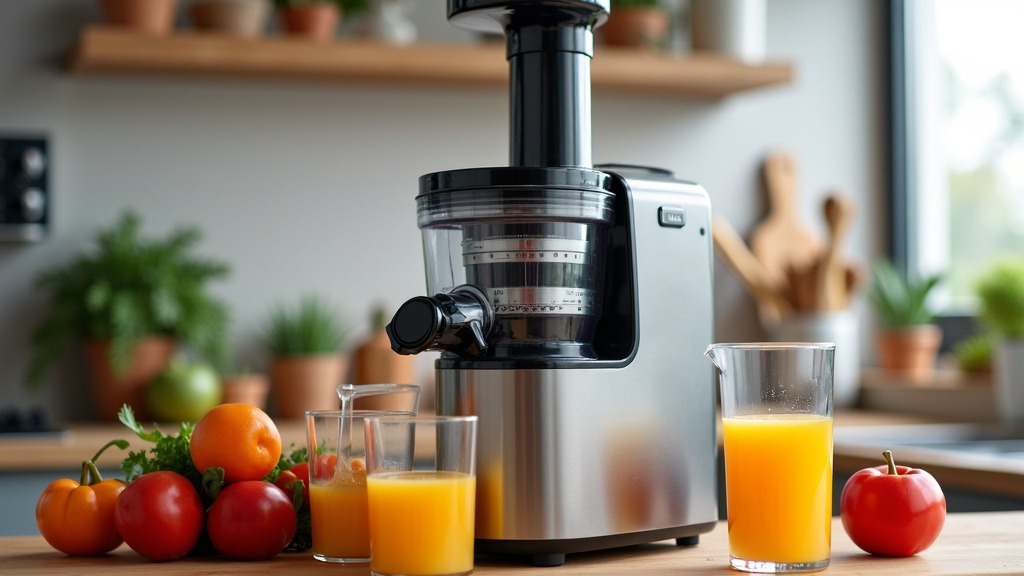
Masticating juicers, also called slow juicers, work differently. Instead of a high-speed blade, they use a slow-turning auger. This auger is a spiral-shaped shaft made of hard plastic or metal. It rotates slowly inside a screen or filter.
The auger crushes and presses the produce against the screen. This action breaks down the cells and squeezes out the juice. Because it operates at low speeds, it generates less heat. Many people believe this preserves more nutrients and enzymes in the juice. The pulp is ejected from the end of the auger.
Twin-Gear Juicers and Their Cutters
Twin-gear juicers are a type of masticating juicer. They have two interlocking gears that rotate together. These gears have teeth or cutting edges. As the gears turn, they pull in produce and simultaneously chop, shred, and press it.
This dual-action process is very efficient at extracting juice. It breaks down fibrous greens like kale and wheatgrass very effectively. The gears act as both the cutting mechanism and the pressing mechanism. They are known for producing very dry pulp and high-quality juice.
Caring for Your Juicer Blade: The Key to Longevity
Just like any sharp tool, your juicer blade needs proper care. Taking care of your blade ensures it stays sharp, works efficiently, and lasts a long time. Neglecting it can lead to poor juicing performance and potential damage.
Cleaning Your Blade Promptly and Thoroughly
The most important step is cleaning right after each use. Food particles can dry and stick to the blade, making them harder to remove. Use warm water and a soft brush or sponge. Many juicers come with a special cleaning brush for the blade and filter.
Be careful when cleaning. The blade is sharp! Always hold the part you are cleaning away from yourself. Rinse thoroughly to remove any soap residue. If your juicer has a dishwasher-safe blade, you can use that, but handwashing often preserves the sharpness better.
Checking for Dullness or Damage
Over time, even the best blades can become dull. You might notice this if your juicer starts to struggle with harder produce. You might also see more un-juiced bits in the pulp. Inspect your blade regularly for any signs of wear or damage.
If you see nicks, bends, or significant dullness, it might be time to consider replacing the blade. Some manufacturers sell replacement parts for their juicers. A damaged or dull blade won’t just give you less juice; it can also strain your juicer’s motor.
When to Replace a Juicer Blade
A juicer blade isn’t meant to last forever. Most manufacturers suggest replacing parts that show significant wear. If you notice a decrease in juice yield that can’t be fixed by cleaning, it’s a sign. Also, if the blade looks visibly damaged, it’s time for a new one.
The lifespan of a blade depends on how often you use your juicer and what types of produce you juice. Heavy use of hard vegetables can wear down a blade faster. For most home users, a blade might last several years with proper care. Check your juicer’s manual for specific recommendations.
A Quick Checklist for Juicer Blade Care
Keeping your juicer blade in top shape doesn’t have to be complicated. Follow these simple steps:
- Rinse immediately after use to prevent food from drying on.
- Use a soft brush or sponge for cleaning, being careful of sharpness.
- Wash all parts thoroughly with warm, soapy water.
- Ensure the blade is completely dry before reassembling or storing.
- Periodically inspect for nicks or dullness.
- Consider replacing the blade if juice yield drops noticeably.
Conclusion
You’ve learned that the juicer blade is the heart of your juicer, responsible for breaking down produce to release its liquid goodness. Whether it’s the fast spin of a centrifugal model or the slow crush of an auger, the blade’s design and sharpness directly impact your juice quality and yield. By understanding its function and committing to proper cleaning and care, you ensure your juicer performs at its best for years to come.
Now that you know the basics, take a moment to inspect your juicer’s blade. Make sure it’s clean and in good condition, ready for your next healthy juice creation.
Frequently Asked Questions
How often should I clean my juicer blade?
You should always clean your juicer blade immediately after each use. This prevents fruit and vegetable residue from drying and becoming difficult to remove. A quick rinse and scrub will keep it working effectively and hygienically.
Can a dull juicer blade affect my juice?
Yes, a dull blade can significantly affect your juice. It won’t shred produce as efficiently, leading to lower juice yield and more pulp in your drink. A dull blade can also put extra strain on your juicer’s motor.
Are juicer blades replaceable?
Most juicer blades are replaceable parts. If your blade becomes significantly dull or is damaged, check your juicer’s manual or the manufacturer’s website for replacement options. This can often extend the life of your juicer.
What’s the difference between a blade and an auger?
A blade is typically a fast-spinning metal disc that shreds produce, common in centrifugal juicers. An auger, found in masticating juicers, is a slow-turning screw that crushes and presses produce. The auger generally produces less heat and may preserve more nutrients.
Can I sharpen my juicer blade?
Sharpening a juicer blade at home is generally not recommended or feasible for most users. They are usually designed to be replaced rather than sharpened when they become dull. Attempting to sharpen them could damage the blade or the juicer.