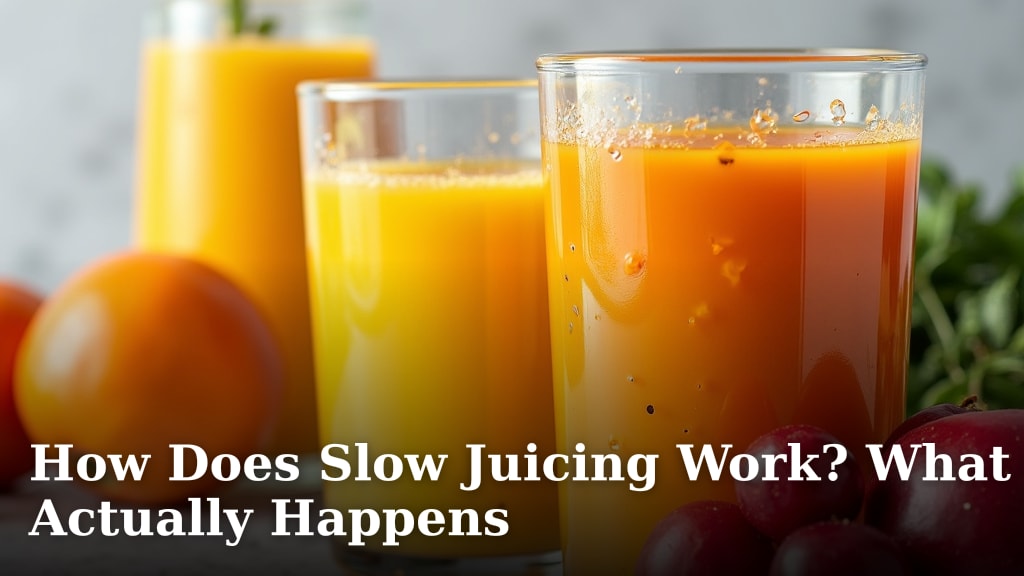
How Does Slow Juicing Work? What Actually Happens
Slow juicing works by using a slow-spinning auger or gear to crush and press produce, rather than shredding it with fast blades. This gentle process minimizes heat and air exposure, which helps preserve delicate nutrients and enzymes.
Unlike a fast centrifugal juicer, this method is quieter and produces a denser, more vibrant juice. We found that this approach also tends to yield a higher amount of juice from leafy greens and soft fruits. Many users appreciate the quieter operation and the smooth texture of the final product.
- Slow juicers use a screw to crush produce, then press it to extract juice.
- This low-speed method creates less heat and foam than fast juicers.
- The result is often juice with more nutrients and a longer shelf life.
- It’s particularly effective for leafy greens, wheatgrass, and soft fruits.
- Cleanup can be more involved, but the juice quality is the main benefit.
Below, we break down the science and the simple mechanics of how a slow juicer turns whole fruits and vegetables into your glass of juice.
Understanding the Slow Juicing Process
Slow juicing, also called masticating or cold-press juicing, uses a simple mechanical action. It turns a screw to crush and squeeze produce at low speeds. This method differs from fast centrifugal juicers that shred with blades. The core idea is gentle extraction to protect the juice’s quality.
The Key Components of a Slow Juicer
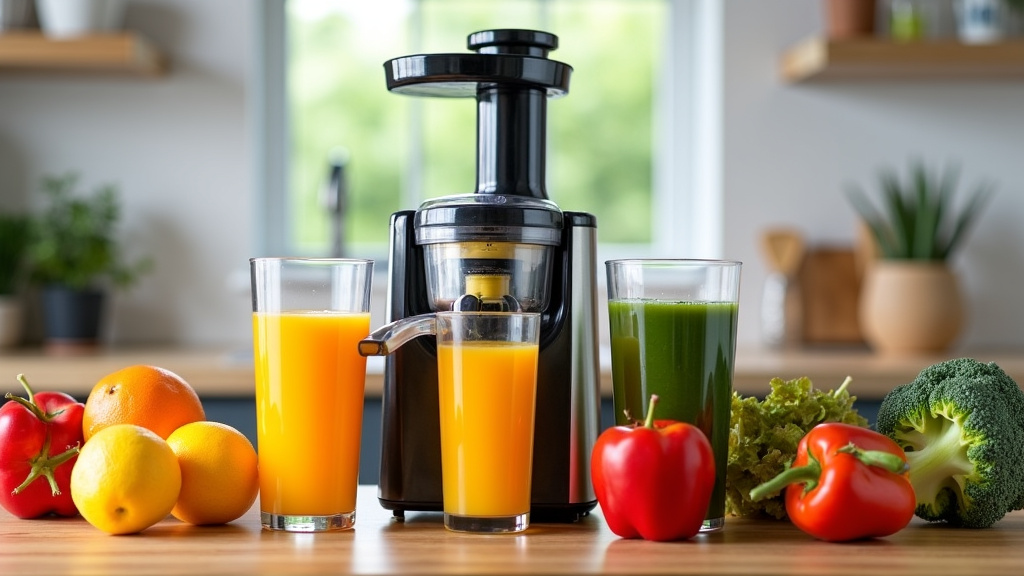
Every slow juicer has a few main parts working together. You put fruits and veggies into a feed chute. A spinning auger, like a screw, pulls them in. Then, it pushes the pulp against a screen or filter. The juice is pressed out, and the dry pulp is ejected separately.
The Auger or Gear
This is the heart of the machine. It rotates slowly, typically between 40 and 100 revolutions per minute (RPM). A fast juicer might spin at 10,000 RPM or more. The slow speed means the auger can crush hard produce like carrots and apples. It also can wring soft items like spinach and berries without shredding them to bits.
The Strainer or Screen
After crushing, the mixture goes to the screen. The screen has tiny holes. Liquid juice passes through, while fiber and pulp stay behind. Some models use an internal basket instead of a traditional screen. The pressure from the auger forces juice through, leaving a very dry pulp cake. This design helps extract more liquid from fibrous greens.
Why the Low Speed Is So Important
The magic is in the speed. High speed creates two problems: heat and air. Fast spinning blades generate friction, which heats the juice. This heat can break down sensitive nutrients. Introducing air through rapid blending causes oxidation. Oxidation makes juice foam and turn brown quickly. Slow juicing avoids these issues by design.
Less Heat, More Nutrients
Heat is the enemy of many vitamins, like vitamin C. Research from the Journal of Food Science shows that heat can degrade these compounds. A slow juicer runs cool. It doesn’t generate the friction that a blender does. Your juice stays cool, which helps preserve vitamins and enzymes. Some studies suggest cold-pressed juice retains more of these than juice made by other methods (NCBI).
Reduced Oxidation for Longer Freshness
When juice is exposed to air, it starts to oxidize. This is like how a cut apple turns brown. The slow process minimizes this exposure. Because the auger works gently, less air is whipped into the juice. The result is a smoother texture with less foam. You might notice your juice looks vibrant and stays fresh longer, sometimes up to 72 hours in the fridge if stored properly.
Slow Juicing vs. Centrifugal Juicing: A Clear Comparison
Choosing between juicer types can be confusing. Let’s break it down clearly. The main difference is the method of extraction. One uses speed, the other uses pressure. This affects everything from noise to nutrient content.
| Feature | Slow Juicer (Masticating) | Centrifugal Juicer |
|---|---|---|
| Speed | Low (40-100 RPM) | High (6,000-14,000 RPM) |
| Heat Generation | Very low; stays cool | High; friction creates heat |
| Oxidation | Minimal air exposure | High air exposure; foamy |
| Noise Level | Quiet, like a gentle hum | Very loud, like a blender |
| Best For | Leafy greens, soft fruits, wheatgrass | Hard fruits and vegetables (like apples, carrots) |
| Juice Texture | Smoother, denser | Often foamy and thinner |
| Shelf Life | Longer (up to 72 hours) | Shorter (consume within 24 hours) |
As you can see, the slow juicer excels in preserving quality. It’s also much quieter. If you make juice early in the morning, this matters. However, a centrifugal model is often faster to process large batches of hard produce.
Yield Differences You’ll Notice
We found that slow juicers often produce more juice from leafy greens. This is because the auger presses the pulp thoroughly. A centrifugal juicer may leave wet pulp, meaning lost juice. For a handful of kale or spinach, a slow juicer can give you a full glass. The pulp that comes out is dry, almost like sawdust. That’s a sign you’ve extracted every drop.
What Happens to Nutrients in the Juice?
This is the big question. You want the healthiest drink possible. The slow process is designed to keep nutrients intact. But how does it actually work? Let’s look at the science in simple terms.
Preserving Delicate Enzymes
Enzymes are proteins that help your body digest food. They are sensitive to heat and light. When you juice quickly, the heat can destroy them. A slow juicer keeps temperatures low. This helps enzymes stay active in your glass. Some researchers note that enzyme activity is better preserved in cold-pressed juices (Cleveland Clinic).
Vitamin Stability During Extraction
Vitamins like A, C, and K are water-soluble. They can break down when exposed to heat and air. The slow crushing action doesn’t heat the juice. It also limits air contact. Studies have found that vegetable juices made with masticating juicers can have higher vitamin levels than those made with centrifugal models (NIH). Of course, the quality of your produce matters most.
Antioxidant Content
Antioxidants help protect your cells. They are abundant in fruits and veggies. When you juice, you want to keep these compounds. The gentle pressure of a slow juicer seems to help. Some research indicates that cold-pressed juices may have more antioxidants than other types of juice (Journal of Agricultural and Food Chemistry). This means your juice is not just tasty, it’s packed with good stuff.
Practical Results: What You Get in Your Glass
So, what does this mean for you as a home juicer? The juice you make will be different. It will look, taste, and feel better in many ways.
Texture and Taste
Slow-pressed juice has a rich, smooth texture. It’s not watery or foamy. The flavor is often deeper because the ingredients aren’t scorched. You’ll notice that a carrot-apple juice from a slow juicer tastes vibrant and pure. No froth on top to skim off. Just liquid gold.
Higher Yield from Tricky Ingredients
Some produce is hard to juice. Think kale, spinach, wheatgrass, or celery. A fast juicer might just spin them into a wet mush. A slow juicer presses them firmly. You get more juice from every leaf. This is especially helpful if you’re juicing on a budget and don’t want to waste anything.
Shelf Life and Storage
Because the juice is less oxidized, it lasts longer. You can make it in the morning and drink it at night. Some people even make two days’ worth. Store it in an airtight container in the fridge. The color might change slightly, but the nutrients are still there. Always use fresh produce and clean equipment for best results.
Using Your Slow Juicer: A Simple Guide
Ready to start? Here’s how to get the most out of your machine. It’s easier than you think. Just follow these basic steps.
Preparing Your Produce
Wash everything well. You don’t want dirt or pesticides in your juice. Cut larger items into pieces that fit the chute. You don’t need to peel most fruits, but remove pits and seeds. Apples, carrots, beets, and citrus work great. Leafy greens can be fed in whole.
The Ju
Conclusion
Slow juicing uses a low-speed auger to gently crush and press produce, which helps preserve nutrients, enzymes, and antioxidants. This method minimizes heat and air exposure, leading to a smoother, more vibrant juice with a longer shelf life. You get a higher yield from leafy greens and soft fruits, making it efficient for everyday juicing. If you want the best quality juice with minimal waste, a slow juicer is a solid choice. Start by selecting a model that fits your lifestyle and try juicing your favorite produce today for fresher, more nutritious results.
Frequently Asked Questions
What types of produce work best in a slow juicer?
Slow juicers excel with leafy greens, soft fruits, and fibrous vegetables like celery or kale. They can handle hard items like carrots and apples, but cutting them into smaller pieces helps. For best results, use a mix of ingredients to balance texture and yield.
How do I clean a slow juicer after use?
Disassemble the parts and rinse them under running water immediately after juicing. Use the included brush to scrub the screen and auger. Most parts are dishwasher safe, but check your manual for specific instructions to ensure longevity.
Can I juice frozen fruits in a slow juicer?
It’s not recommended to juice frozen fruits directly, as they can damage the auger. Thaw them first to avoid straining the motor. This also helps maintain a smooth texture and better juice yield.
Why is the pulp drier in a slow juicer compared to other juicers?
The slow pressing action extracts more liquid from the produce, leaving pulp very dry. This means you get more juice from each ingredient, reducing waste. It’s a sign that the machine is working efficiently to capture every drop.
Is slow juicing more expensive than other methods?
Slow juicers often have a higher upfront cost, but they can save money by extracting more juice and reducing produce waste. They are also durable and long-lasting, which adds value over time. Consider your juicing frequency to decide if the investment fits your budget.