
Why Do Cold Press Juicers Not Use Heat? The Common Sense Guide
Cold press juicers do not use heat because it damages nutrients and enzymes in your fruits and vegetables. This method is designed to preserve the maximum nutritional value. Unlike centrifugal juicers that spin fast and generate friction, cold press juicers work slowly. This gentle process keeps temperatures low.
When you juice with heat, important compounds can be destroyed. This is why cold pressing is often called “masticating” or “slow” juicing. It works by grinding and pressing the produce to extract juice. This preserves vitamins and beneficial plant compounds that heat would otherwise ruin.
- Cold pressing avoids heat to keep nutrients intact.
- Heat can destroy vitamins and enzymes in produce.
- Slow grinding and pressing is the key to cold juicing.
- This method maximizes the health benefits of your juice.
Let’s take a closer look at why keeping it cool is so important for your juicer and your health.
Keeping Your Juice Cool: The Cold Press Difference
So, why do cold press juicers skip the heat? It’s all about preserving the good stuff inside your fruits and vegetables. Heat is like a wrecking ball to many of the beneficial compounds we want in our juice. Think of it as a gentle hug versus a rough squeeze. Cold press juicers aim for the hug.
What Happens When Heat Meets Produce?
When you introduce heat to fruits and vegetables, a few things can happen that aren’t ideal for juicing. Many of the **vitamins** and **enzymes** that make raw produce so healthy are sensitive to temperature changes. They can be broken down or destroyed by heat, much like how cooking an egg changes its structure.
The Nutrient Loss Equation
Research shows that certain vitamins, like Vitamin C, are particularly vulnerable. Prolonged exposure to heat can significantly reduce the amount of Vitamin C in your juice (Food & Nutrition Research). This means you’re not getting as much of that immune-boosting power. Enzymes are also delicate. They help with digestion and are abundant in raw foods. Heat can denature these enzymes, making them less effective or inactive.
Why Cold Press Juicers Avoid This Problem
Cold press juicers, also known as masticating juicers, work differently. They use a slow, grinding motion to crush the produce. This process extracts the juice without generating significant heat. The result is juice that retains more of its original nutrient profile. You’re essentially getting a more raw and potent form of your fruits and veggies.
The Science of Gentle Extraction
The core principle behind cold press juicing is its slow and steady method. It’s designed to mimic how you might manually squeeze juice from something. This gentle approach is key to its effectiveness in nutrient preservation. It’s a stark contrast to older juicing technologies.
Understanding Centrifugal vs. Cold Press Juicers
You might have seen or used a centrifugal juicer before. These machines spin very fast, often thousands of rotations per minute. This high speed creates friction. This friction, in turn, generates heat. While they are quick, this heat can degrade the quality of the juice. Cold press juicers, on the other hand, spin much slower.
Friction: The Heat Generator
Centrifugal juicers use a blade that spins against a mesh screen. This action grinds the produce and then forces it through the screen at high speed. The rapid motion and the rubbing against the screen create heat. Some sources suggest this heat can reach levels that negatively impact nutrient content (Journal of Agricultural and Food Chemistry). It’s like running a marathon in a sauna; you get there, but it takes a toll.
Mastication: The Slow and Steady Wins
Cold press juicers use a different mechanism. They typically have a single auger (a screw-like component) that rotates slowly. This auger crushes the produce against a screen. Because the rotation is slow, minimal heat is generated. This method is often referred to as “masticating” because it chews and grinds the produce before squeezing. This low-speed, high-torque action is what keeps the temperature down.
The Benefits of Low Temperatures
Keeping the juice cool isn’t just about preventing nutrient loss. It also affects the shelf life and taste of your juice. Freshly pressed juice is full of living enzymes and beneficial phytonutrients. These can start to break down over time, especially when exposed to heat or oxygen.
Enzyme Preservation for Digestion
Enzymes play a vital role in how our bodies process food. Raw fruits and vegetables are rich in these natural digestive aids. Cold pressing helps to keep these enzymes active in the juice. This can potentially make the nutrients easier for your body to absorb and utilize. When you think about drinking juice for health, you’re often seeking these benefits.
Flavor and Freshness
Juices made with cold press juicers often taste fresher and more vibrant. This is because the delicate flavors and aromas are better preserved. The slow extraction process also minimizes oxidation, the process where juice comes into contact with air and begins to degrade. Less oxidation means a cleaner, brighter taste that more closely resembles the original produce.
What Does “Cold Press” Really Mean for Your Health?
When you choose to cold press your juice, you’re making a decision for maximum nutritional benefit. The absence of heat is the primary reason for this. It’s a method focused on delivering the purest form of plant nutrition directly to you.
Maximizing Nutrient Density
The goal of juicing for many people is to increase their intake of vitamins, minerals, and antioxidants. Cold pressing aligns perfectly with this goal. By avoiding heat, you ensure that these essential compounds are not compromised during the extraction process. It means you’re getting more of the goodness from every apple, carrot, or leafy green you juice.
A Closer Look at Antioxidants
Antioxidants are compounds that help protect your cells from damage. Many antioxidants found in fruits and vegetables are sensitive to heat. For example, some studies suggest that heat can reduce the levels of certain beneficial plant compounds like polyphenols (Food Chemistry Journal). Cold pressing helps to retain these powerful protectors in your juice, offering greater potential health benefits.
Is It Worth the Slow Pace?
You might be wondering if the slower process is worth it. For many juicing enthusiasts, the answer is a resounding yes. The trade-off is a bit more time and a different juicing experience, but the payoff is superior juice quality.
The Juice Yield Comparison
While some people worry about yield, cold press juicers are often very efficient. They extract a high amount of juice from your produce. The slow, crushing action helps to break down the cell walls of plants more thoroughly. This allows more juice to be released. You might find you use slightly less produce for the same amount of juice compared to less efficient methods.
Your Daily Dose of Nutrition
Think of your juicer as a tool to help you get more servings of fruits and vegetables. By choosing a cold press model, you’re ensuring that the nutrition you’re aiming for isn’t lost in translation. It’s about making every sip count.
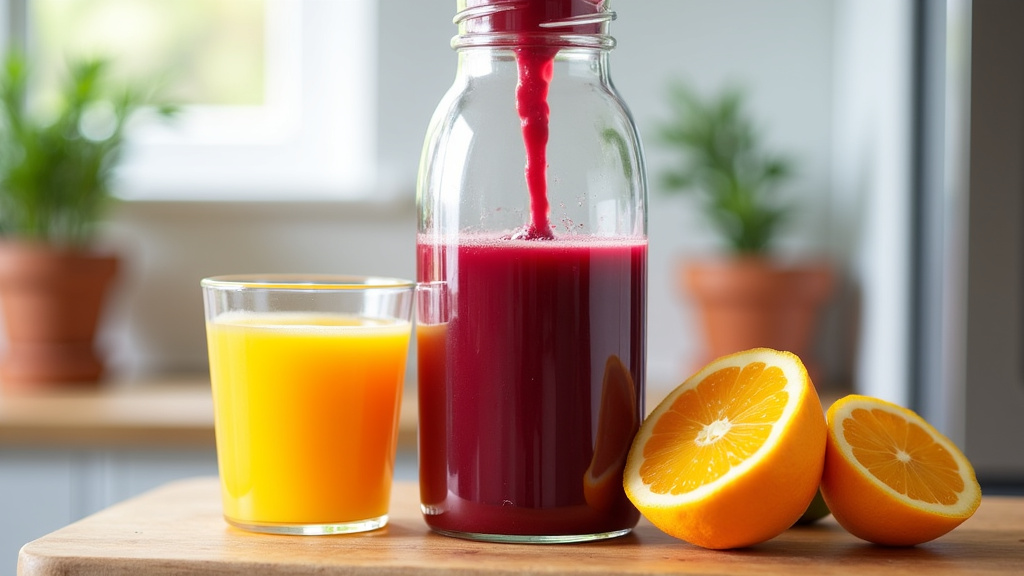
Quick Guide: The Cold Press Advantage
Here’s a quick rundown of why cold press juicers are designed without heat, keeping things simple:
- Nutrient Protection: Heat destroys delicate vitamins and enzymes.
- Slow & Gentle: Masticating action crushes, not grinds with friction.
- Enzyme Power: Keeps beneficial enzymes active for potential digestion aid.
- Flavor Preservation: Tastes fresher, brighter, and more natural.
- Reduced Oxidation: Less exposure to air keeps juice fresher longer.
- Maximizing Goodness: You get more of the plant’s natural benefits.
Conclusion
You’ve learned why cold press juicers are designed without heat. It’s all about preserving the natural goodness of your fruits and vegetables. By avoiding heat, you keep more vitamins, enzymes, and antioxidants intact. This gentle, slow masticating process ensures your juice is as close to its raw state as possible. Choosing a cold press juicer means you’re prioritizing maximum nutrient density and flavor in every glass.
Ready to start juicing? Your next step is to look for a cold press juicer that fits your kitchen and budget. You’ll enjoy fresh, vibrant juice packed with the benefits nature intended.
Frequently Asked Questions
Do all cold press juicers work the same way?
Most cold press juicers use a slow-speed auger to crush produce. This mechanism is key to their low-heat operation. While designs can vary slightly between brands, the core principle of slow mastication remains the same.
Will cold pressing destroy any nutrients at all?
Cold pressing is designed to minimize nutrient loss. However, some minimal degradation can occur due to oxidation from air exposure after juicing. Storing your juice properly and consuming it soon after making it will help maintain its nutritional content.
Can I juice cooked vegetables in a cold press juicer?
Cold press juicers are intended for raw fruits and vegetables. Cooking produce before juicing would alter its composition and negate the benefits of cold pressing. The machine is designed to extract juice from fresh, raw produce.
How much faster are centrifugal juicers compared to cold press juicers?
Centrifugal juicers are generally much faster because they use high-speed spinning blades. This speed can take mere seconds to process produce. Cold press juicers operate slowly, taking longer to crush and extract juice, but this preserves nutrients.
Is cold pressed juice better for my digestion?
The enzymes preserved in cold pressed juice may aid digestion. These natural enzymes are sensitive to heat and are more likely to be active in juice made without heat. This can potentially help your body process the nutrients more efficiently.