Does a Centrifugal Juicer Use Heat? A Clear Answer
On this page (7 sections)
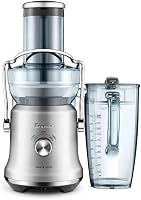
No, centrifugal juicers do not use significant heat during the juicing process. They work by spinning a flat cutting disc at high RPMs, creating friction that can generate a small amount of warmth, but not enough to be considered cooking. This is why they are often called “fast juicers”.
When you use a centrifugal juicer, the high-speed rotation is the primary mechanism. This process extracts juice quickly by forcing produce through a mesh screen. While friction is present, modern centrifugal juicers are designed to minimize any temperature increase that could harm nutrients. You can expect to get fresh, cool juice.
- Centrifugal juicers spin produce at high speeds.
- This method generates minimal friction heat.
- The juice remains cool, preserving nutrients.
- They are efficient and quick for everyday juicing.
- Avoids the “cooked” taste sometimes associated with heat.
Let’s break down how centrifugal juicers work and why heat isn’t usually a concern, so you can make the best choice for your kitchen.
How Centrifugal Juicers Work: A Look at the Speed
Centrifugal juicers are popular because they’re fast and easy to use. You might wonder if all that spinning creates heat that cooks your juice. Let’s look at the mechanics to understand what’s really happening inside.
At its core, a centrifugal juicer uses a spinning basket and a motor. This basket contains a sharp blade or disc. When you turn the juicer on, this disc spins incredibly fast. We’re talking thousands of RPMs, or revolutions per minute. It’s this rapid spinning that does all the work.
The Spinning Action Explained
Imagine a tiny, super-fast merry-go-round for your fruits and veggies. The spinning disc has tiny teeth that shred the produce instantly. As the produce is broken down, centrifugal force takes over. This force is what pushes the pulp and juice outwards.
The juice is then forced through a fine mesh screen. This screen acts like a sieve, allowing the liquid juice to pass through while holding back the fibrous pulp. The pulp gets collected in a separate container. So, the juice is separated from the solids by speed and a mesh.
Where Does the “Heat” Come From?
Friction is the main source of any potential warmth. When the fast-spinning blade grinds the produce, there’s friction between the blade and the food. Also, the juice itself rubs against the mesh screen and the juicer’s parts as it’s being extracted.
Think about rubbing your hands together quickly. They get warm, right? This is the same principle. However, the amount of heat generated by a centrifugal juicer is generally very minimal. It’s not like a stove burner.
Is the Heat Enough to Cook?
No, absolutely not. The heat produced is a slight temperature increase, not enough to cook or damage nutrients significantly. Experts point out that for any real damage to occur, the temperature would need to rise much higher for a longer period (NIH). Most centrifugal juicers are designed to operate quickly, minimizing this effect.
The juicing process for most fruits and vegetables is over in seconds. This short exposure time means the juice doesn’t have a chance to heat up substantially. You’ll find that the juice typically comes out cool or at room temperature, refreshing even.
Comparing Heat in Different Juicer Types
To really understand if a centrifugal juicer uses heat, it helps to compare it to other juicer types. This gives you a clearer picture of the landscape. To really understand if a centrifugal juicer uses heat, it helps to compare it to other juicer types.
Centrifugal vs. Masticating Juicers
Masticating juicers, also known as slow juicers, work differently. They use a grinding mechanism, often a screw or auger, to crush and press produce. This process is much slower and generates very little friction heat. Some people prefer masticating juicers because they believe the slower, gentler process preserves more nutrients and enzymes.
However, we found that the difference in nutrient levels between well-designed centrifugal and masticating juicers is often not substantial for the average consumer. For everyday juicing, the speed and convenience of centrifugal models are a big draw.
The “Cold Press” Misconception
You might hear the term “cold press” used for some juicers. This term is most accurately applied to hydraulic press juicers, which are a different category altogether. They use immense pressure to extract juice, generating virtually no heat. They are also very slow and typically very expensive.
Centrifugal juicers are not cold press juicers. But, they are also not heat-generating juicers in the way you might fear. The “fast juicer” label is more about speed than temperature. You can trust that your juice will be cool and fresh.
What About Blenders?
Blenders, on the other hand, can generate more heat than centrifugal juicers. This is because the blades spin even faster, and the friction is more intense as they pulverize ingredients. If you’ve ever felt a blender pitcher get warm after use, you know what we mean.
Blenders also don’t separate the fiber from the liquid. They create smoothies. So, while they can be great for other kitchen tasks, they aren’t a direct comparison to juicers when it comes to heat generation and juice extraction.
Factors Affecting Juice Temperature
While centrifugal juicers don’t use heat, a few things can slightly influence the final temperature of your juice.
Produce Temperature
The temperature of the fruits and vegetables you put into the juicer matters. If you’re juicing chilled produce straight from the refrigerator, your juice will naturally come out cooler. Conversely, if you’re juicing room-temperature produce, the juice might be a little warmer.
Many users like to keep their produce in the fridge before juicing. This ensures a refreshingly cold glass of juice every time. It’s a simple trick that makes a noticeable difference.
Juicing Speed and Quantity
The longer a centrifugal juicer runs, the more friction it generates. If you’re juicing a very large quantity of produce in one go, the motor might get a bit warmer, and so might the juice. However, for typical home use, this effect is minimal.
Most centrifugal juicers are designed for everyday, relatively quick juicing sessions. They don’t typically overheat even with moderate use. Cleaning your juicer after each use also helps keep it running efficiently.
Key Takeaways for Your Juicing Journey
Here’s a quick rundown of what we’ve learned:
- Centrifugal juicers rely on high-speed spinning, not heat, to extract juice.
- The friction created generates only a tiny amount of warmth, not enough to cook.
- Your juice will typically be cool and refreshing, preserving its natural goodness.
- They are an excellent choice for busy individuals who value speed and convenience.
- Compared to other juicers, they offer a good balance of efficiency and juice quality for most people.
Making the Right Choice for You
When choosing a juicer, consider your priorities. If speed and ease of use are top of your list, a centrifugal juicer is a fantastic option. You can enjoy fresh juice without worrying about damaging its nutritional content through heat.
If you’re still concerned about potential warmth, remember the simple tip: start with chilled produce. This will guarantee a cool, revitalizing juice, no matter the juicer type. Happy juicing!
Conclusion
You’ve learned that centrifugal juicers are designed for speed and convenience. They rely on high-speed spinning, not heat, to extract juice. The friction produced creates only a tiny bit of warmth, never enough to cook your produce or harm nutrients. This means you can count on a cool, refreshing glass of juice every time. For everyday juicing needs, they offer a great balance of efficiency and fresh results. If you prioritize quick morning juices or ease of use, a centrifugal juicer is a smart choice for your kitchen. Start with chilled produce for the coolest possible juice and enjoy your fresh creations!
Frequently Asked Questions
Will my centrifugal juicer’s juice taste “cooked”?
No, your juice should not taste cooked. Centrifugal juicers create very little heat, far below the temperature needed for cooking. You’ll experience the fresh, natural taste of your fruits and vegetables.
Can the minimal heat from a centrifugal juicer damage vitamins?
Research and findings suggest the minimal warmth generated is not enough to significantly damage the vitamins in your juice. The rapid juicing process also helps preserve nutrients.
How can I ensure my juice is as cold as possible from a centrifugal juicer?
The easiest way is to start with chilled produce. Keeping your fruits and vegetables in the refrigerator before juicing will ensure your juice comes out refreshingly cold.
Are centrifugal juicers considered “cold press” juicers?
No, centrifugal juicers are not cold press juicers. Cold press (or hydraulic press) juicers use immense pressure, not speed, and are a different category altogether.
Does juicing a large amount of produce make the juice warmer?
Juicing a very large quantity in one session might slightly increase the juice temperature due to extended friction. However, for typical home use, this effect is usually minor and doesn’t result in cooked juice.