What Is a Fast Juicer? What Beginners Should Know
On this page (6 sections)
A fast juicer is a kitchen appliance designed to quickly extract juice from fruits and vegetables. These machines are known for their high-speed operation, turning produce into liquid with minimal effort. You might be wondering if it’s the right choice for your healthy lifestyle.
Choosing a juicer can feel overwhelming, and a fast juicer is often a top contender. They work by using a spinning basket and a fine mesh screen. This process rapidly separates the juice from the pulp. Many people find them efficient for everyday use.
- Fast juicers are quick and easy to use.
- They use a high-speed motor to extract juice.
- They separate juice from pulp efficiently.
- Consider your needs before buying.
Let’s get into what a fast juicer is all about and what you should consider before bringing one home.
Understanding What a Fast Juicer Is and How It Works
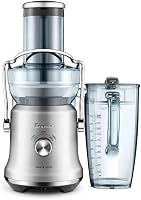
A fast juicer, often called a centrifugal juicer, is a popular choice for many home kitchens. You’ve likely seen them in action. They work by using a spinning disc. This disc has sharp blades that shred fruits and vegetables very quickly. The shredded produce is then flung against a fine mesh strainer. This process separates the juice from the pulp.
The magic happens thanks to a powerful motor. This motor spins the basket at very high speeds, often thousands of RPMs. Think of a washing machine’s spin cycle, but on steroids for your produce! This speed is what makes them so fast. You can go from whole apple to fresh juice in a matter of seconds. This makes them very convenient for busy mornings or when you need a quick health boost.
How the Centrifugal Juicer Achieves Speed
The core of a fast juicer is its motor and the spinning basket. Produce is typically fed into a chute. It lands on the fast-spinning blades. The blades turn the food into a mushy pulp. Centrifugal force then pushes this pulp outwards. It’s forced through the mesh screen. The screen acts like a sieve, allowing only the liquid juice to pass through. The solid pulp gets trapped inside the basket.
Most fast juicers have two main parts: the motor base and the juicing bowl with the strainer and collection bin. Some models have a separate pulp bin. Others collect the pulp within the juicing bowl. The juice then flows out of a spout. You’ll need a glass or container to catch your delicious, fresh juice. The whole process is designed for speed and simplicity.
The Role of the Mesh Screen and Motor Speed
That fine mesh screen is your juice’s best friend. It’s what filters out the fibrous bits. This results in a smooth, drinkable liquid. The finer the mesh, the smoother your juice will be. Some juicers offer different mesh screens. This allows you to control the texture of your juice. A higher motor speed means quicker shredding and faster juice extraction. This is the defining characteristic of these machines.
Keep in mind that the high speed can also introduce some heat. This heat might affect certain nutrients. Research suggests that some enzymes and vitamins can be sensitive to heat (National Institutes of Health). However, for most everyday users, the convenience often outweighs this minor concern. You’re still getting significantly more nutrients than from store-bought juices.
Pros and Cons: Is a Fast Juicer Right for You?
Like any kitchen appliance, fast juicers have their good points and their less-than-good points. Understanding these will help you decide if it fits your lifestyle. They are certainly popular for a reason, but they aren’t perfect for everyone.
Advantages of Using a Fast Juicer
- Speed: This is their biggest selling point. You can juice a whole orange in under 10 seconds.
- Ease of Use: Most models are very straightforward. Feed the produce, press a button, and collect your juice.
- Juice Yield: For hard fruits and vegetables like apples and carrots, they offer a good amount of juice.
- Affordability: Compared to other juicer types, fast juicers are often more budget-friendly.
- Easy Cleanup (Sometimes): Many parts are dishwasher safe. Rinsing immediately after use can make cleaning simpler.
Disadvantages to Consider
- Noise: Those high-speed motors can be quite loud. It might wake up the whole house!
- Heat Generation: As mentioned, the speed can create a bit of heat. This might impact nutrient levels slightly.
- Foam and Oxidation: The high speed can introduce air into the juice. This often results in foam on top and can speed up oxidation, making the juice less fresh-looking sooner.
- Pulp Consistency: The pulp can sometimes be a bit wet, meaning you might not get every last drop of juice.
- Limited Versatility: They are not ideal for leafy greens or soft fruits like berries. The mesh can get clogged.
What About Leafy Greens and Soft Fruits?
This is a big one for many juicing enthusiasts. Fast juicers excel with hard, fibrous produce. Think carrots, celery, beets, and apples. They tend to struggle with soft items like bananas or avocados. They also don’t do a great job with leafy greens like spinach or kale. The high-speed spinning often just pulverizes them into small pieces. These pieces can then pass through the mesh into your juice. Or they can clog the strainer, making a mess and reducing yield.
If your main goal is to juice lots of greens or soft fruits, you might want to look at a different type of juicer. A If your main goal is to juice lots of greens or soft fruits, a masticating juicer is often recommended.masticating juicer (also known as a slow juicer) is often recommended for these tasks. They work by chewing or grinding the produce at a much slower speed.
Key Features to Look For in a Fast Juicer
When you start shopping, you’ll see many different models. To help you choose, here are some features that make a big difference in user experience.
Motor Power and Speed Settings
A more powerful motor generally means a more efficient juicer. Look for at least 500 watts for decent performance. Some models offer multiple speed settings. A lower speed might be better for softer fruits, while a higher speed is great for hard vegetables. Having options can give you more control over your juicing.
Chute Size Matters for Prep Work
The chute is the opening where you feed the produce. A wider chute means less chopping for you. Many modern fast juicers have wide mouths, sometimes large enough for whole apples or large chunks of vegetables. This saves you prep time, which is a big plus for a “fast” juicer, right?
Ease of Cleaning: A Crucial Factor
No one wants to spend more time cleaning than juicing. Look for juicers with removable parts that are dishwasher safe. A simple design with fewer nooks and crannies will also make cleaning easier. Some manufacturers even include a cleaning brush. This can be very helpful for scrubbing the mesh screen.
Consider how easy it is to access and clean the strainer basket. This is often the part that requires the most attention. A few minutes of immediate rinsing can prevent pulp from drying and becoming hard to remove. This is a small habit that can make a big difference in your cleaning routine.
Material and Durability
Juicers are an investment. Look for models made with sturdy materials. Stainless steel components often indicate better durability and ease of cleaning. Plastic parts should be BPA-free. Check reviews for comments on how well the juicer holds up over time. You want something that will last.
Making Your First Juicing Choices as a Beginner
Starting with juicing can feel like a big step. Don’t worry, we’ve got you covered. Here’s a simple checklist to help you get going.
Your Beginner Juicing Checklist:
- Start Simple: Begin with recipes that use just a few ingredients.
- Hard Produce First: Get comfortable with apples, carrots, and cucumbers.
- Prep Smart: Wash your produce thoroughly. Remove any large pits or stems.
- Feed Gradually: Don’t force too much produce at once. Let the juicer do its work.
- Taste and Adjust: Sip your juice. See if you like the flavor. You can always add more of one ingredient next time.
- Clean Immediately: Rinse your juicer right after you finish. It makes cleaning much easier.
Many beginners find that single-ingredient juices are a great starting point. An apple juice is naturally sweet and refreshing. Carrot juice offers a different kind of sweetness. Cucumber juice is very hydrating and mild. Once you get a feel for these, you can start experimenting with combinations. Think of it like a fun science experiment for your kitchen!
| Juicer Type | Best For | Pros | Cons |
|---|---|---|---|
| Fast (Centrifugal) | Hard fruits & vegetables | Speed, ease of use, affordability | Noisy, less yield from greens, foam |
| Slow (Masticating) | Leafy greens, soft fruits, nuts | High yield, less oxidation, quieter | Slower, more prep, higher cost |
As you can see, each type has its strengths. For most beginners who want to juice fruits and harder veggies quickly, a fast juicer is a solid choice. Its simplicity and speed are hard to beat when you’re just getting started. You can always upgrade later if your juicing habits evolve.
Conclusion
You’ve learned that a fast juicer, or centrifugal juicer, is an excellent tool for busy beginners. Its speed and simplicity make juicing accessible for everyday health boosts. While they shine with hard produce, remember they aren’t the best for leafy greens or soft fruits. Weighing the pros like quick cleanup and affordability against cons like noise and foam will guide your choice. If you’re ready to start juicing with minimal fuss, consider investing in a fast juicer. Your first step is to choose a model that fits your kitchen and budget.
Frequently Asked Questions
Are fast juicers worth it for beginners?
Yes, fast juicers are often a great starting point for beginners. Their ease of use and quick operation mean less time spent figuring things out and more time enjoying fresh juice. You can quickly see if juicing fits your lifestyle without a huge commitment.
How much prep work is needed for a fast juicer?
Prep work is usually minimal with fast juicers, especially those with wide chutes. You’ll typically need to wash your produce and cut it into pieces that fit the chute. Larger pits or very hard stems might need removal, but overall, it’s designed to save you time.
Can I juice leafy greens in a fast juicer?
Fast juicers are not ideal for leafy greens like spinach or kale. The high speed tends to pulverize them, and the pulp can either pass through the mesh into your juice or clog the screen. For greens, a slow juicer is generally a better option.
How noisy are fast juicers?
Fast juicers can be quite noisy due to their powerful, high-speed motors. It’s something to consider if you live in an apartment or have light sleepers in your household. Some models are quieter than others, so checking reviews can help.
What’s the best way to clean a fast juicer?
The easiest way to clean a fast juicer is to rinse the parts immediately after use. Most components are dishwasher safe, but a quick hand wash with a brush for the mesh screen prevents pulp from drying and becoming difficult to remove. This simple habit makes cleanup much faster.