What RPM Does a Cold Press Juicer Run At? What You Should Know
On this page (5 sections)
The RPM, or rotations per minute, for a cold press juicer is much lower than you might think. You’re looking at speeds generally between The RPM, or rotations per minute, for a cold press juicer is much lower than you might think.40 to 120 RPM. This slow and steady approach is key to how cold press juicers work their magic for healthier juice. So, forget the idea of a fast-spinning motor; cold pressing is all about a gentle, deliberate process.
This low RPM is what helps your juicer extract more nutrients and enzymes from your fruits and vegetables. Unlike traditional centrifugal juicers that spin fast and create heat, cold press juicers use a slow-moving auger to crush and press. This means less oxidation and a juice that tastes fresher and lasts longer. It’s a difference you can really taste and feel.
- Cold press juicers spin slowly, typically 40-120 RPM.
- This low speed preserves nutrients and enzymes.
- It also reduces oxidation for fresher juice.
- Higher RPMs can create heat, damaging juice quality.
Let’s dig a little deeper into what these RPM numbers mean for your juice and why it matters for your health. We’ll break down how this slow speed benefits you.
You’ve likely seen those shiny juicers advertised as “cold press.” They promise amazing juice, packed with goodness. But what makes them different? A big part of that answer lies in how fast they spin. It’s not about speed; it’s about a slower, more thoughtful approach to juicing.
Understanding the Spin: Cold Press Juicer Speeds Explained
The RPM for a cold press juicer is intentionally low. Think of it like a gentle squeeze rather than a violent shake. This slow rotation is the heart of the cold press method. It’s designed to get the most out of your produce without harming it.
Why Low RPM Matters for Your Juice
When we talk about cold press juicers, you’re looking at a range that’s generally between 40 to 120 RPM. This is a stark contrast to the high speeds of traditional centrifugal juicers. Those can spin at over 1,000 RPM! So, what’s the big deal about a few hundred spins versus a thousand?
The Science Behind the Slow Spin
The core idea behind cold pressing is to minimize heat. When fruits and vegetables are crushed slowly, they release their juice and nutrients without generating significant friction. This lack of heat is absolutely key to preserving the delicate enzymes and vitamins in your juice. Many nutrients are sensitive to heat and can break down quickly when exposed to high temperatures. Research from institutions like the National Institutes of Health (NIH) suggests that certain vitamins, like Vitamin C, are particularly susceptible to degradation from heat.
What Happens at High Speeds?
Centrifugal juicers, with their high RPMs, work by shredding produce against a spinning mesh screen. This creates heat through friction. This heat can actually oxidize (damage) some of the beneficial compounds in your juice. It’s like cooking your produce before you get to drink it. This oxidation also means your juice won’t last as long. You’ll often find that juice from a centrifugal juicer needs to be consumed almost immediately to get the best flavor and nutrition.
The Auger: Your Slow-Speed Workhorse
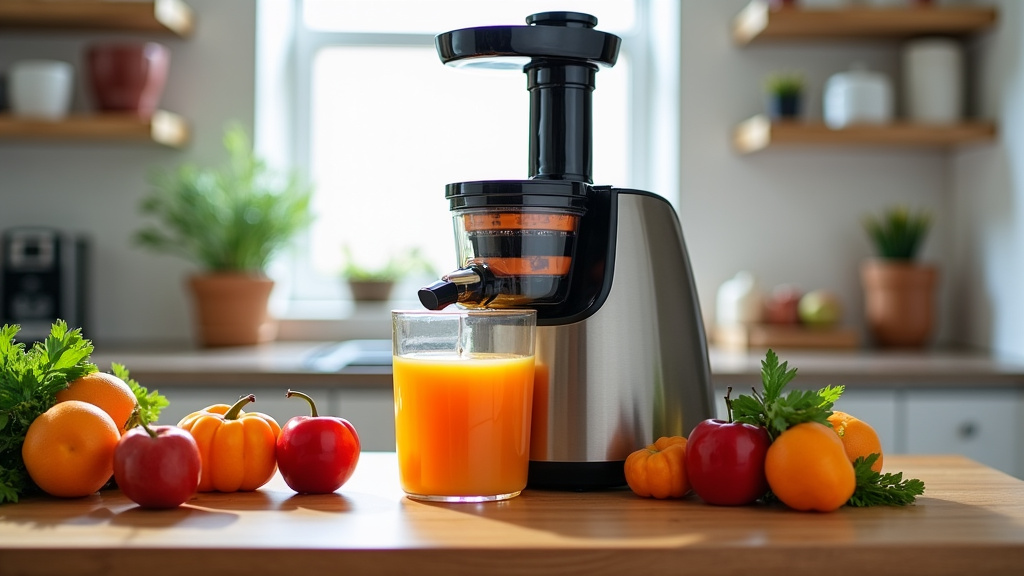
The main component responsible for this slow, deliberate juicing is called an auger. This is a large, screw-like mechanism that slowly rotates. It chews up the produce and pushes it against a screen. This crushing and pressing action is far gentler than the shredding action of a centrifugal juicer. It’s a more methodical process, designed to extract every last drop of goodness.
RPM Differences: Cold Press vs. Centrifugal Juicers
To really see the difference, let’s put the numbers side-by-side. Understanding these speeds helps you appreciate why a cold press juicer is often recommended for those serious about maximizing their juice’s nutritional content.
| Juicer Type | Typical RPM Range | Primary Juicing Action | Heat Generation | Juice Oxidation |
|---|---|---|---|---|
| Cold Press (Masticating) | 40 – 120 RPM | Crushing & Pressing (Auger) | Very Low | Low |
| Centrifugal | 1,000 – 20,000+ RPM | Shredding & Spinning | Moderate to High | High |
What These Numbers Mean for Your Health
So, why should you care about these RPM figures? It boils down to what ends up in your glass. A slower RPM means less destruction of the natural compounds in your fruits and vegetables. This includes vitamins, minerals, and those beneficial plant compounds called phytonutrients. Many nutritionists point out that these compounds are what give produce its health-boosting properties. They are often found in the fibers of the plant, which the cold press method effectively squeezes without destroying.
Nutrient Retention is Key
When your juice is made with minimal heat and oxidation, you’re getting a product that’s closer to eating the whole fruit or vegetable. This can lead to better absorption of nutrients. Some studies suggest that juices made with cold press methods can retain up to 50% more nutrients than those made with centrifugal juicers (NCBI). This is a substantial difference if you’re relying on juicing for daily vitamin and mineral intake. You’re essentially drinking a more potent form of the produce.
Taste and Shelf Life Benefits
Beyond just nutrition, the low RPM also impacts taste and how long your juice stays fresh. Because less air is incorporated and less heat is generated, the juice has a cleaner, brighter flavor. It tastes more like the raw produce itself. Plus, with less oxidation, your juice can often be stored in the refrigerator for up to 48-72 hours. This is a huge convenience factor for many people. You can make a batch of juice and have it ready for a few days.
Dispelling Myths About Cold Press Juicer Speed
It’s easy to think that faster is always better, especially with appliances. But in the world of juicing, that’s not the case. The slow speed of a cold press juicer isn’t a drawback; it’s its main advantage. It’s a deliberate design choice that prioritizes juice quality over speed. If you want juice that’s as close to nature as possible, the slower speed is exactly what you’re looking for. It’s about quality, not just quantity or how quickly you can get it done.
Making the Right Choice for Your Kitchen
When you’re considering a new juicer, the RPM is a critical spec to understand. It directly influences the quality of the juice you’ll be making at home. You want a machine that respects the produce and its nutritional integrity. The low RPM of a cold press juicer ensures that.
What to Look for in a Cold Press Juicer’s RPM
When you’re shopping, look for machines that clearly state their RPMs. You’ll want to see numbers falling within that 40-120 RPM range. Many manufacturers will highlight this as a key feature. If they don’t specify the RPM, it’s likely a centrifugal model or one that doesn’t focus on this particular benefit. Don’t be swayed by claims of very high speeds; for cold pressing, slower is truly better.
Your Juicing Goals and RPM
Think about what you want to achieve with your juicer. Are you looking for the maximum possible nutrients? Do you want a juice that tastes the freshest? Do you want to store juice for a couple of days? If your answer to these questions is yes, then a cold press juicer with its low RPM is likely the best fit for your needs. It’s an investment in better-quality juice for your health and enjoyment.
Here’s a quick rundown to help you remember the key points about cold press juicer RPM:
- Look for RPMs between 40-120 for true cold pressing.
- Lower speeds preserve more vitamins and enzymes.
- Less heat means less oxidation and fresher juice.
- The auger design is crucial for slow, effective juicing.
- Centrifugal juicers have much higher RPMs and create more heat.
- Choose based on your goal: maximum nutrition vs. speed.
Conclusion
You’ve learned that cold press juicers operate at a slow speed, typically 40 to 120 RPM. This low RPM is the secret to preserving nutrients and enzymes in your juice. It minimizes heat and oxidation, resulting in a fresher taste and longer shelf life. Unlike fast-spinning centrifugal juicers, cold press machines use an auger to gently crush and press. When choosing a juicer, remember that for maximum nutritional benefit and flavor, slow is the way to go. Consider your juicing goals and look for a cold press model to get the best quality juice.
Frequently Asked Questions
Will a cold press juicer spin faster if I use harder vegetables?
No, the RPM of a cold press juicer is designed to remain constant regardless of the hardness of the produce. The auger’s slow rotation is what effectively breaks down even tough vegetables. The machine’s internal motor controls this consistent, low speed.
Can I use a cold press juicer for leafy greens?
Yes, absolutely! Cold press juicers are excellent for leafy greens because their slow, powerful crushing action extracts juice efficiently. You’ll find they yield more juice from greens like spinach and kale compared to faster juicers.
Is it true that cold pressed juice has more pulp?
Cold press juicers are designed to yield very dry pulp, meaning most of the juice is extracted. While some very fine pulp might pass through the screen, it’s generally less than you might expect. The resulting juice is typically smooth and pure.
How does the low RPM prevent nutrient loss compared to high RPM juicers?
High RPM juicers create heat through friction, which can break down heat-sensitive vitamins and enzymes. The slow, steady action of a cold press juicer generates very little heat, protecting these delicate nutrients. This means you get more of the beneficial compounds from your produce.
Why do manufacturers highlight the low RPM of cold press juicers?
Manufacturers highlight the low RPM because it’s the key differentiator and benefit of cold press juicing. It signifies superior nutrient retention, better flavor, and longer juice shelf life, all of which appeal to health-conscious consumers seeking the highest quality juice.


