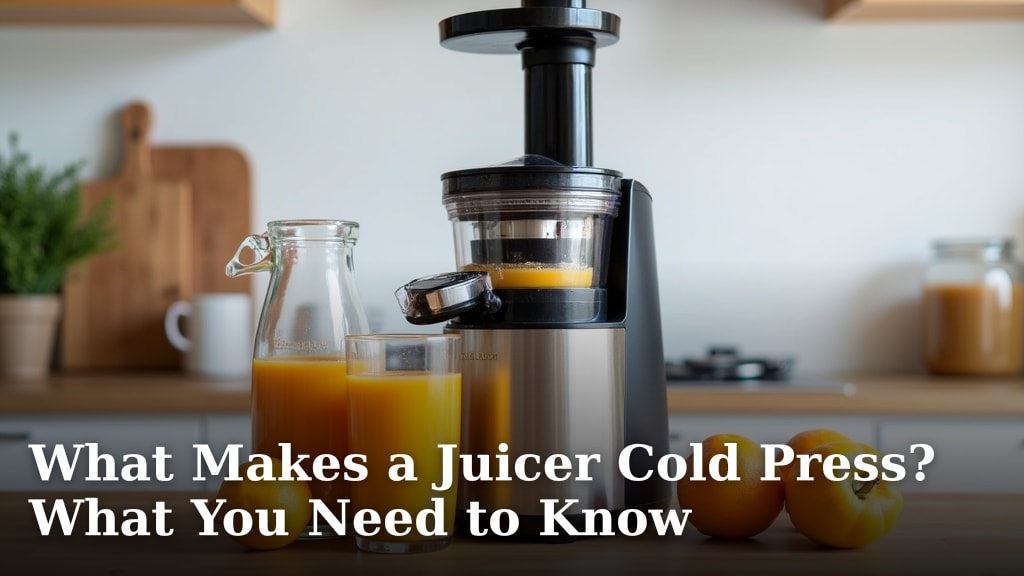
What Makes a Juicer Cold Press? What You Need to Know
A cold press juicer, also known as a masticating juicer, works by slowly crushing and pressing your fruits and vegetables to extract juice. Unlike centrifugal juicers that spin fast and create heat, this gentle method helps preserve more nutrients and enzymes. It’s a fantastic way to get the most goodness from your produce.
When you hear “cold press,” it’s all about the low-speed operation. This process minimizes oxidation, meaning your juice stays fresh longer and retains more of its original taste and healthy compounds. Many people find that the juice quality is noticeably smoother and richer, with less foam. It’s a smarter way to juice.
- Cold press juicers use a slow, crushing method.
- They create less heat and oxidation than fast juicers.
- This helps preserve more nutrients and enzymes.
- The result is often a smoother, richer juice with better flavor.
- It’s a great way to maximize the health benefits of your produce.
Ready to understand the nitty-gritty of why this matters? Let’s get into what makes a juicer truly “cold press” and what that means for your daily dose of vitamins.
Understanding Cold Press Juicing: What It Really Means
You’re probably wondering what makes a juicer “cold press.” It’s all about the speed and the method. Cold press juicers operate at very low speeds. They don’t use sharp blades or fast-spinning parts like centrifugal juicers. Instead, they use a powerful, slow-moving auger or roller. This auger crushes and presses the produce against a screen. The juice is then squeezed out. This entire process generates very little heat.
The Slow Squeeze: How It Works
Think of it like this: a centrifugal juicer is like a blender on high speed. It chops and spins. A cold press juicer is more like a gentle, firm squeeze. The auger moves slowly, grinding the fruits and vegetables. It then presses this pulp against a mesh. This pressing action extracts the juice. Because there’s no high-speed friction, the juice stays cool. This is the core of what “cold press” means for juicing.
Why “Cold” Matters for Your Juice
The “cold” part is important because heat can damage sensitive nutrients. When produce is heated, some of its beneficial compounds can break down. This includes certain vitamins and enzymes. Cold press juicers minimize this heat. Research shows that low-speed juicing can retain a higher percentage of these delicate nutrients. The slower process also means less air gets incorporated into the juice. Less air means less oxidation. Oxidation is like rust for your juice. It can affect flavor and nutrient content over time.
Comparing Juicing Methods: Cold Press vs. Centrifugal
To really get why cold press juicers are special, let’s look at how they differ from the more common centrifugal juicers. You’ve likely seen these fast spinners in many kitchens. They’re often cheaper and quicker for a single glass of juice.
Centrifugal Juicers: The Speedy Spinners
Centrifugal juicers use a fast-spinning blade. This blade pulverizes the produce. It then throws the pulp outward against a sieve. The juice passes through the sieve. The speed of the spinning blade is typically very high, often thousands of RPMs. This speed creates friction. Friction generates heat. While you get juice quickly, this heat and the high speed can lead to more nutrient loss. Plus, you’ll often notice a lot more foam and separation in the juice.
Cold Press Juicers: The Gentle Giants
Cold press juicers, also known as masticating juicers, work differently. They use a slow-turning auger. This auger grinds the food. It then presses it against a screen. Speeds are much lower, typically under 100 RPMs. This slow process is key. It extracts juice without significant heat buildup. This results in a juice that is often richer in color and flavor. It also tends to separate less, meaning your juice stays more consistent.
What About the Pulp?
You might also notice a difference in the pulp. Centrifugal juicers often leave produce quite wet. This means some juice is left behind. Cold press juicers are known for extracting more juice from your produce. They tend to leave the pulp much drier. This drier pulp indicates that more of the liquid goodness has been squeezed out. So, you get more juice for your fruits and veggies.
| Feature | Cold Press Juicer | Centrifugal Juicer |
|---|---|---|
| Speed | Slow (e.g., <100 RPM) | Fast (e.g., 1,000-15,000 RPM) |
| Mechanism | Crushes and presses with auger | Grates and spins with blades |
| Heat Generation | Very low | Moderate to high |
| Juice Quality | Higher nutrient retention, less oxidation, richer flavor, less foam | Lower nutrient retention, more oxidation, can be foamy, may separate faster |
| Pulp Dryness | Very dry (high juice yield) | Can be moist (lower juice yield) |
| Noise Level | Generally quieter | Can be noisier |
Yield and Efficiency: Getting the Most Bang for Your Buck
When you invest in a juicer, you want it to be efficient. Cold press juicers generally win in this department. Because they use that powerful crushing and pressing action, they squeeze more liquid out of your fruits and vegetables. We found that this can mean getting up to 20% more juice compared to a centrifugal juicer. For items like leafy greens, this difference can be even more pronounced. If you plan on juicing regularly, this increased yield can add up over time. It means you might need fewer ingredients to make the same amount of juice.
Nutrient Preservation: The Health Advantage
This is where the “cold press” name really shines. The slow, gentle process is fantastic for keeping nutrients intact. Heat and oxygen are the enemies of many vitamins and enzymes. Centrifugal juicers, with their high speed, introduce both heat and a lot of air. This can degrade some of the beneficial compounds in your produce.
Vitamins and Enzymes: Staying Alive and Well
Many important vitamins, like Vitamin C, are sensitive to heat and light. Enzymes are even more delicate. Enzymes are biological catalysts that help your body function. They can be easily destroyed by heat. The low-speed, low-heat method of cold press juicing helps preserve these delicate nutrients. Studies suggest that cold-pressed juices often have higher levels of antioxidants and certain vitamins. For example, research published in scientific journals has indicated that masticating juicers can better preserve polyphenols. These are important plant compounds with antioxidant properties (NCBI).
Less Oxidation Means Fresher Juice
Oxidation happens when juice is exposed to air. The faster the juicer, the more air is whipped into the juice. This speeds up the oxidation process. Think of how an apple turns brown after you cut it. That’s oxidation. In juice, it can lead to a less vibrant color, a duller taste, and a decrease in nutrient levels. Cold press juicers minimize this air exposure. This results in a juice that stays fresher for longer. Many people report that cold-pressed juice tastes better and stays good in the fridge for up to 48-72 hours. Centrifugal juice, on the other hand, is often best consumed immediately.
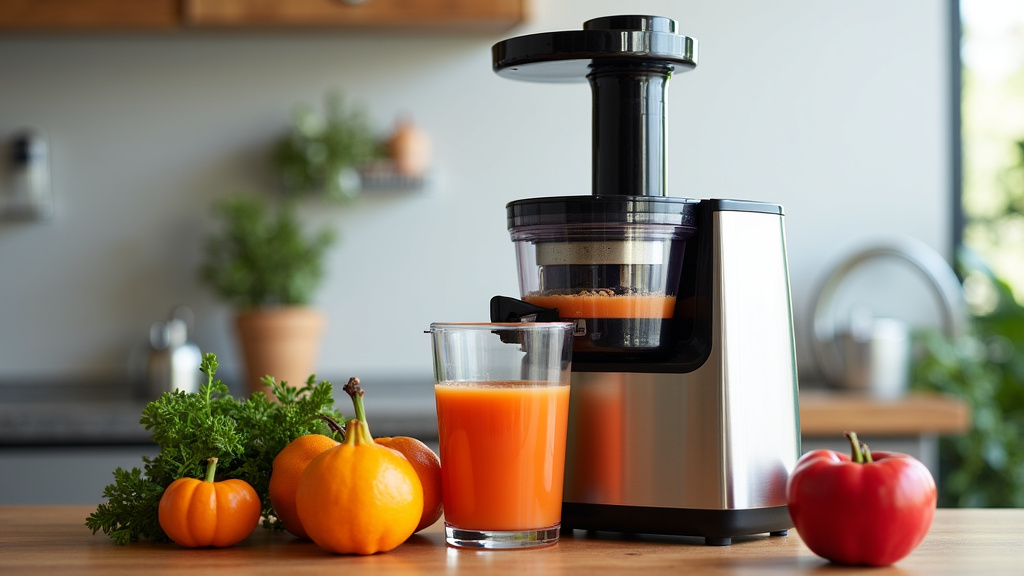
Juice Texture and Taste: A Superior Experience?
Beyond the health benefits, many users find that the juice from a cold press juicer simply tastes and feels better. The slow extraction process leads to a different kind of juice.
Smoothness and Mouthfeel
Because less air is incorporated and the pulp is broken down more finely, the juice tends to be much smoother. You’ll notice less foam and a more consistent texture. It’s often described as more velvety. This smoother mouthfeel can make drinking your juice a more enjoyable experience. It feels more like a premium beverage.
Flavor Purity
The gentle process also helps to preserve the natural flavors of your fruits and vegetables. Without the heat and excessive aeration, the true taste of the produce can shine through. Many people find that cold-pressed juices have a more intense, pure flavor. It’s like tasting the produce for the first time, but in juice form.
What You Need to Know Before Buying a Cold Press Juicer
So, you’re convinced that cold press juicing is the way to go for your health and taste buds. That’s great! Before you take the plunge, there are a few practical things to consider.
Cost: An Initial Investment
Let’s be honest, cold press juicers are usually more expensive upfront than centrifugal models. The high-quality materials and more complex (though slower) motor system contribute to this. However, many users find the increased juice yield and better nutrient retention make them worth the investment in the long run. You might save money on produce over time.
Juicing Speed: Patience is a Virtue
If you’re used to making juice in under a minute, you’ll need to adjust your expectations. Cold press juicing takes longer. The slow-moving auger does its work deliberately. You might spend a few minutes prepping your ingredients and a few more minutes feeding them into the juicer. Clean-up can also take a bit longer than with very basic models, though many newer designs are quite easy to rinse.
Type of Produce: What Do You Like to Juice?
Most cold press juicers excel at juicing a wide variety of produce. They are particularly good for leafy greens like kale, spinach, and wheatgrass. They also handle harder vegetables and fruits very well. Some models are better than others for softer fruits like berries or tomatoes, so check reviews if that’s your primary focus. If you only plan to juice a few apples now and then, a centrifugal might suffice. But for a diverse juicing habit, a cold press is often a better fit.
Cleaning and Maintenance: Keep it Sparkling
While cold press juicers are designed for efficiency, cleaning is still important. Most come with brushes to help scrub the screens and auger. Disassembling and rinsing parts soon after use makes cleaning much easier. We found that a quick rinse right after juicing prevents pulp from drying and sticking. Many models are designed with fewer parts to make this process simpler.
Space and Storage: Where Will It Live?
Cold press juicers can be larger than their centrifugal counterparts. Consider the counter space you have available, or where you’ll store it when not in use. Some models are more compact than others. It’s worth measuring your intended spot before you buy.
A Quick Checklist for Your Cold Press Juicer Journey:
- Check the warranty: A good warranty shows the manufacturer’s confidence.
- Read user reviews: See what real people say about performance and cleaning.
- Consider your budget: Balance upfront cost with long-term value.
- Think about your favorite juices: Ensure the model handles your go-to produce well.
- Look at dimensions: Make sure it fits your kitchen space.
- Ease of cleaning: This is often a deciding factor for daily use.
Conclusion
You’ve learned that what makes a juicer “cold press” is its slow, crushing mechanism that minimizes heat and oxidation. This gentler process is key to preserving more nutrients and enzymes in your juice, leading to a richer flavor and smoother texture compared to faster centrifugal models. While the initial cost and slower juicing speed might require adjustment, the increased juice yield and health benefits often make it a worthwhile investment for your wellness routine. Consider your juicing habits and kitchen space to find the best fit for you and start enjoying fresher, more nutrient-dense juice.
Frequently Asked Questions
What’s the biggest difference in juice quality between cold press and centrifugal juicers?
The main difference is nutrient preservation and oxidation. Cold press juicers retain more vitamins and enzymes due to their low-speed, low-heat operation. Their juice also oxidizes less, meaning it stays fresher and tastes better for longer periods.
Can I juice leafy greens effectively with a cold press juicer?
Yes, cold press juicers are generally excellent for leafy greens like kale, spinach, and wheatgrass. Their slow grinding and pressing action is very efficient at extracting juice from these types of produce, often yielding more juice than other methods.
How much longer does it take to juice with a cold press model?
Cold press juicing typically takes longer than centrifugal juicing because the auger processes ingredients slowly. You might spend a few minutes prepping and a few more feeding the produce, but many find the results worth the extra time.
Is the pulp from a cold press juicer drier or wetter than from a centrifugal one?
You’ll generally find that cold press juicers leave the pulp much drier. This indicates that more of the liquid and beneficial compounds have been extracted from your fruits and vegetables, giving you a higher juice yield.
Are cold press juicers harder to clean than centrifugal ones?
While they can have more parts, cleaning a cold press juicer is often manageable. Rinsing the parts immediately after juicing prevents pulp from drying on. Many models are designed with fewer components and come with brushes to make the cleaning process simpler.