Cold Press Juicer vs Centrifugal Juicer: What You Need to Know
On this page (7 sections)
Choosing between a cold press juicer and a centrifugal juicer really depends on what you want from your juice. Cold press juicers, also known as masticating juicers, are generally better for getting the most juice and nutrients from your fruits and veggies. Centrifugal juicers are faster but tend to produce less juice and can heat it up.
We found that both types can get the job done for making delicious drinks at home. However, they work quite differently, impacting the yield, nutrient content, and even the texture of your final juice. Understanding these differences will help you pick the right machine for your kitchen.
- Cold press juicers use a slow-grinding method.
- Centrifugal juicers use a fast-spinning blade.
- Cold press juicers yield more juice and nutrients.
- Centrifugal juicers are quicker and often cheaper.
- Your choice depends on priorities like time, yield, and health goals.
Let’s walk through the main differences so you can decide which juicer is the perfect fit for your juicing adventures.
Comparing Cold Press vs. Centrifugal Juicers for Your Home
So, you’re thinking about getting a juicer. That’s fantastic! Making your own fresh juice at home is a wonderful way to boost your nutrient intake. But before you click “buy,” you need to know about the two main types of juicers: cold press and centrifugal. They work very differently, and understanding that difference is key to getting the juice you want.
Think of it like this: one is a slow, careful chef, and the other is a speedy short-order cook. Both can make you food, but the results will be quite different. We’ve looked into how these machines operate to help you make the best choice for your kitchen and your health goals.
How a Cold Press Juicer Works
A cold press juicer, often called a masticating juicer, works with a slow, steady pace. It doesn’t use a lot of heat or fast-moving parts. This method is all about getting the most out of your produce.
The Mastication Process Explained
At its core, a cold press juicer uses a grinding mechanism. A slow-moving auger, like a screw, crushes and presses the fruits and vegetables at a low RPM. It pushes the produce against a fine mesh screen. This action extracts the juice without generating much heat. Many sources suggest this slow process is why it’s often called “cold press” (NCBI).
Gentle Extraction for Maximum Nutrients
Because the juicer auger turns slowly, it doesn’t chop or shred the produce aggressively. This gentleness is believed to help preserve more of the vitamins and enzymes. Heat can break down some of these delicate nutrients. Cold press juicers aim to minimize that. We found that this slow method can also lead to a more vibrant juice color.
Yield and Pulp Quality
You’ll often get a higher juice yield from your produce with a cold press juicer. It squeezes out more liquid than centrifugal models. The pulp that’s left behind is usually drier. This means you’re getting more juice from the same amount of fruits and veggies. This efficiency can save you money on produce over time.
What to Expect from Cold Press Juicing
Juice made from a cold press juicer typically has a smoother texture. It often has less foam than juice from a centrifugal machine. Some people describe it as having a richer mouthfeel. It’s also great for juicing leafy greens. The slow grinding action is very effective at breaking down fibrous plants like kale and spinach.
Best For…
Cold press juicers are ideal if your top priority is getting the maximum amount of nutrients from your produce. They are also excellent if you plan to juice a lot of leafy greens or make nut milks. You’ll get more juice and likely a more nutrient-dense final product.
How a Centrifugal Juicer Works
A centrifugal juicer is the speedster of the juicing world. It uses a different approach to get juice from your produce, focusing on speed and ease of use. If you’re always in a hurry, this might catch your eye.
The High-Speed Spinning Action
Centrifugal juicers have a large feeding chute. You can often drop in whole fruits and vegetables. Inside, a fast-spinning blade spins at very high speeds, often thousands of RPM. This blade shreds the produce. It then throws the shredded material against a fine mesh basket. Centrifugal force separates the juice from the pulp.
Heat and Oxidation Concerns
The rapid spinning of the blade creates friction. This friction generates heat. This is why they are called centrifugal juicers and not “cold press.” The heat can potentially degrade some of the heat-sensitive nutrients in the juice. Also, the high-speed action incorporates more air into the juice. This can lead to oxidation. Oxidation can affect taste and nutrient levels over time.
Yield and Pulp
Centrifugal juicers tend to have a lower juice yield compared to cold press models. More moisture often remains in the pulp. This means you might need more produce to get the same amount of juice. The pulp from these juicers is often wetter and can be a bit more mushy.
What to Expect from Centrifugal Juicing
The juice from a centrifugal juicer usually has more foam on top. It can sometimes have a less smooth texture. Because they introduce more air, the juice might also separate more quickly. They are generally less effective at juicing leafy greens. The fast blade can sometimes just push them around instead of extracting juice.
Best For…
Centrifugal juicers are a good choice if you value speed and convenience. They are typically faster to use and easier to clean. If you’re just starting out with juicing and want a quick way to make a juice, this could be your go-to machine. They are also often more affordable.
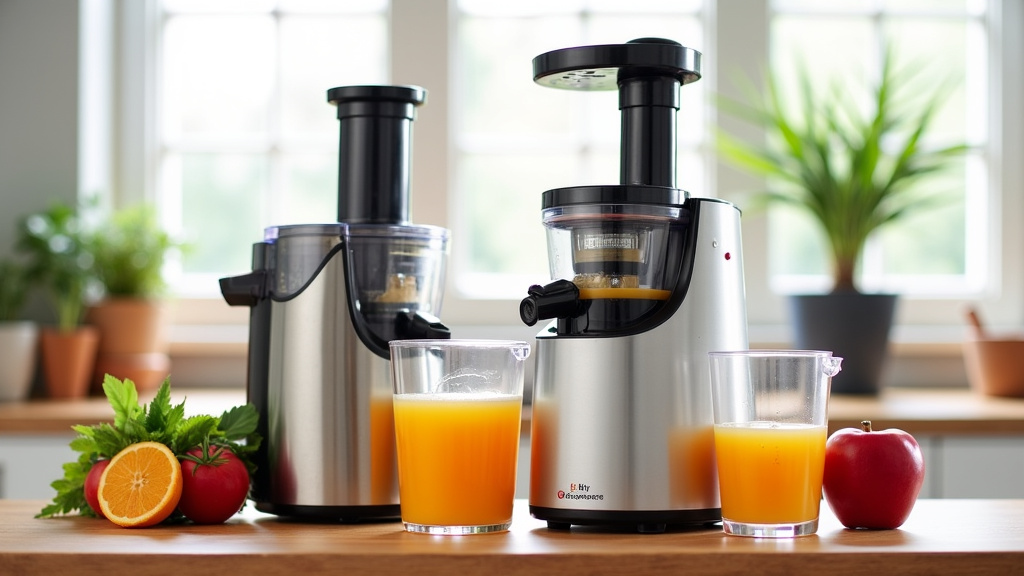
Key Differences at a Glance
Let’s lay out the main distinctions so you can easily compare. Understanding these points can help you decide which juicer best fits your lifestyle and juicing goals.
| Feature | Cold Press Juicer | Centrifugal Juicer |
|---|---|---|
| Extraction Method | Slow grinding and pressing (mastication) | High-speed spinning blade and sieve |
| Speed | Slow | Fast |
| Juice Yield | Higher | Lower |
| Nutrient Retention | Generally higher (less heat/oxidation) | Potentially lower (due to heat/oxidation) |
| Pulp Consistency | Drier | Wetter |
| Leafy Greens | Excellent | Less effective |
| Noise Level | Quieter | Louder |
| Price | Typically higher | Typically lower |
Making Your Decision: What Matters Most to You?
When deciding between these two juicer types, ask yourself a few questions. What are your main goals for juicing? How much time do you have? What’s your budget like? Your answers will point you toward the right machine.
- Nutrient Density: If maximizing vitamins and minerals is your top priority, a cold press juicer is generally the better choice.
- Speed and Simplicity: If you need your juice made quickly and want a simpler cleanup, a centrifugal juicer wins.
- Type of Produce: If you love juicing leafy greens, a cold press juicer will perform much better.
- Juice Volume: If you want the most juice possible from your produce, go for a cold press model.
- Budget: Centrifugal juicers are usually less expensive upfront, making them a more accessible entry point into juicing.
- Noise: Cold press juicers tend to be quieter, which can be a consideration if you have thin walls or sensitive neighbors.
We found that both types can deliver tasty, fresh juice. However, the way they achieve that result leads to differences in what you get in your glass. A little bit of research beforehand will help you avoid any juice-related regrets!
A Quick Checklist for Choosing Your Juicer
To help you narrow it down, consider these points:
- Do you want the absolute highest nutrient yield?
- Are you juicing lots of leafy greens?
- Is speed in juicing and cleaning your main concern?
- What is your budget for a juicer?
- Do you prefer a smoother, less foamy juice texture?
- How much kitchen counter space do you have? (Some cold press models are larger).
Conclusion
Deciding between a cold press and a centrifugal juicer depends on your juicing priorities. If you’re all about maximizing every drop of nutrient-rich juice and tackling leafy greens with ease, a cold press juicer is likely your best bet. For those who value speed, simplicity, and a budget-friendly start to fresh juice, a centrifugal juicer offers a great solution. We found both can bring delicious, homemade juice to your table. Your next step is to consider which of these qualities matters most in your kitchen to make the perfect choice for your juicing journey.
Frequently Asked Questions
Which juicer is easier to clean?
Centrifugal juicers are generally easier and faster to clean. Their parts often come apart quickly, and the spinning action can help dislodge some pulp. Cold press juicers can have more parts and may require a bit more scrubbing to get completely clean.
Can I juice soft fruits like berries in both types?
Both types can technically juice soft fruits, but cold press juicers often handle them better. Centrifugal juicers can sometimes struggle with very soft produce, leading to more waste. Cold press juicers tend to extract more efficiently from a wider variety of fruits and vegetables.
Which type of juicer lasts longer?
Cold press juicers are typically built with more durable materials and have fewer moving parts that experience high wear. This often means they have a longer lifespan compared to centrifugal juicers, which use high-speed motors and blades that can wear out over time.
Is juice from a cold press juicer really healthier?
Research suggests that the slower, cooler extraction process of cold press juicers helps preserve more heat-sensitive vitamins and enzymes. While centrifugal juicers still produce healthy juice, the heat and oxidation from their faster process may reduce some of these delicate nutrients.
Which juicer is better for making nut milk?
Cold press juicers are far superior for making nut milk. Their grinding and pressing mechanism is designed to effectively break down nuts and extract their creamy liquid. Centrifugal juicers are not well-suited for this task and can be difficult to clean afterward.


