What Does the Auger Do in a Juicer? Explained
On this page (8 sections)
- Understanding the Auger: Your Juicer’s Main Mover
- The Auger’s Core Functions: Grinding and Pressing
- Types of Juicers and How They Use Augers
- The Auger’s Impact on Juice Quality and Yield
- Maintaining Your Auger: Keeping It in Top Shape
- Key Takeaways for Your Auger Knowledge
- Conclusion
- Frequently Asked Questions
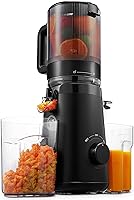
The auger in your juicer is the spiral-shaped part that grinds and presses your fruits and vegetables. It’s essentially the workhorse that breaks down produce to extract the juice. Think of it as the machine’s teeth, doing the tough work of getting every last drop.
When you decide to juice, understanding its components helps you choose the right machine. The auger is a The auger is a key differentiator between types of juicers, and understanding it helps you choose the right machine.key differentiator between types of juicers. It works alongside other parts to deliver fresh, healthy juice right to your glass. Many people wonder how this spinning piece makes such a difference.
- The auger grinds produce.
- It presses ingredients to extract juice.
- It’s a central part of how juicers work.
- Different juicer types use augers differently.
Let’s break down exactly what the auger does and why it matters for your juicing experience.
Understanding the Auger: Your Juicer’s Main Mover
So, what exactly does this auger part do in your juicer? Think of it as the spinning heart of your juicer. It’s a corkscrew-shaped component that works hard to extract juice from your fruits and vegetables. This part is key to how your juicer functions, turning whole produce into delicious liquid goodness.
Many juicers use this auger to do the heavy lifting. It’s not just a simple mixer; it’s designed for a specific, powerful action. The way it spins and presses is what separates juicers and affects the quality of your juice. We’re going to break down its role step-by-step.
The Auger’s Core Functions: Grinding and Pressing
The auger performs two main jobs: grinding and pressing. As it rotates, it breaks down the tough fibers of fruits and vegetables. This action makes the produce easier to juice. It’s a bit like a set of powerful teeth that chew up your ingredients.
After grinding, the auger then presses the mashed-up produce against a screen or filter. This pressure squeezes out the liquid juice. The pulp and fiber are separated and pushed out the other side. This dual action is essential for efficient juicing.
Grinding: Breaking Down the Produce
When you put a piece of celery or an apple into the juicer, the auger immediately goes to work. Its spiral design catches the produce and pulls it down into the juicing chamber. As it moves, the auger’s surface is rough enough to shred and tear the plant cells. This initial breakdown is vital for releasing the juice trapped within.
The speed at which the auger spins also plays a role. Slower speeds generally allow for more effective grinding without generating too much heat. This helps preserve nutrients in your juice. Many experts agree that slower juicing methods are often better for retaining vitamins (Harvard T.H. Chan School of Public Health).
Pressing: Extracting Every Last Drop
Once the produce is ground, the auger continues to push it. It forces the pulpy material against a fine mesh screen or filter. This creates a lot of pressure. This pressure is what squeezes the juice out of the cellular structure. The auger acts like a giant squeezer.
The efficiency of this pressing action determines how much juice you get. A well-designed auger will extract more liquid and leave drier pulp. This means less waste and more delicious juice for you. Some juicers have augers designed with specific patterns to maximize this pressing force.
Types of Juicers and How They Use Augers
The auger is most commonly found in masticating juicers, also known as slow juicers. These juicers are known for their efficiency and nutrient retention. There are two main types of masticating juicers: single-auger and twin-auger.
Centrifugal juicers, on the other hand, do not use an auger. They rely on a spinning basket and a sharp blade to shred produce at high speeds. While faster, they often result in more oxidation and less juice yield compared to auger-based juicers.
Single-Auger Juicers: The Standard
In a single-auger juicer, one strong auger spins slowly. It grinds and presses the produce against a stationary screen. This is the most common design for home masticating juicers. They are generally good all-rounders for most fruits and vegetables.
The auger in these machines is often made of tough materials like BPA-free plastic or stainless steel. Its size and shape are optimized to work with the juicing screen. You feed your produce into the chute, and the auger does the rest.
Twin-Auger Juicers: The Powerhouse
Twin-auger juicers feature two interlocking augers that spin together. This design offers even more power and efficiency. The two augers work in tandem to grind and press produce. They can handle tougher, fibrous ingredients like wheatgrass more effectively.
Because of their robust design, twin-auger juicers often produce drier pulp and higher juice yields. They can also handle a wider variety of ingredients, including nuts and seeds, for making nut butters. Many find these to be the best for leafy greens (Cleveland Clinic).
The Auger’s Impact on Juice Quality and Yield
The design and material of the auger significantly affect your juicing experience. A well-designed auger can lead to higher juice yields and better nutrient retention. This is because it grinds and presses more effectively, squeezing out more liquid and less air.
Slower rotation speeds, typical of auger juicers, also help. They minimize heat buildup and oxidation. This means your juice retains more of its natural vitamins and enzymes. Many health professionals suggest that less oxidation leads to a more nutritious drink.
Yield: Getting the Most Juice
When you’re paying for fresh produce, you want to get the most juice out of it. The auger’s ability to grind and press thoroughly is what determines your juice yield. A powerful auger will break down cell walls efficiently, releasing trapped liquids. This results in less waste and more juice in your glass.
Studies have shown that masticating juicers, with their auger systems, generally produce higher yields compared to centrifugal juicers, especially for leafy greens and softer fruits. This efficiency is a key reason why many serious juicers prefer them.
Nutrient Preservation: Keeping the Good Stuff In
Juicing is often done for health benefits. The auger plays a role in preserving those important nutrients. Because masticating juicers spin slowly, they generate less heat and friction. This is important because heat can degrade certain vitamins and enzymes.
Oxidation is another factor. High-speed juicers introduce more air into the juice, causing oxidation, which can reduce nutrient content. The slow, steady action of an auger minimizes this air exposure. This means your juice is fresher and more nutrient-dense. The National Institutes of Health (NIH) notes that minimizing nutrient loss during food processing is a key goal.
Maintaining Your Auger: Keeping It in Top Shape
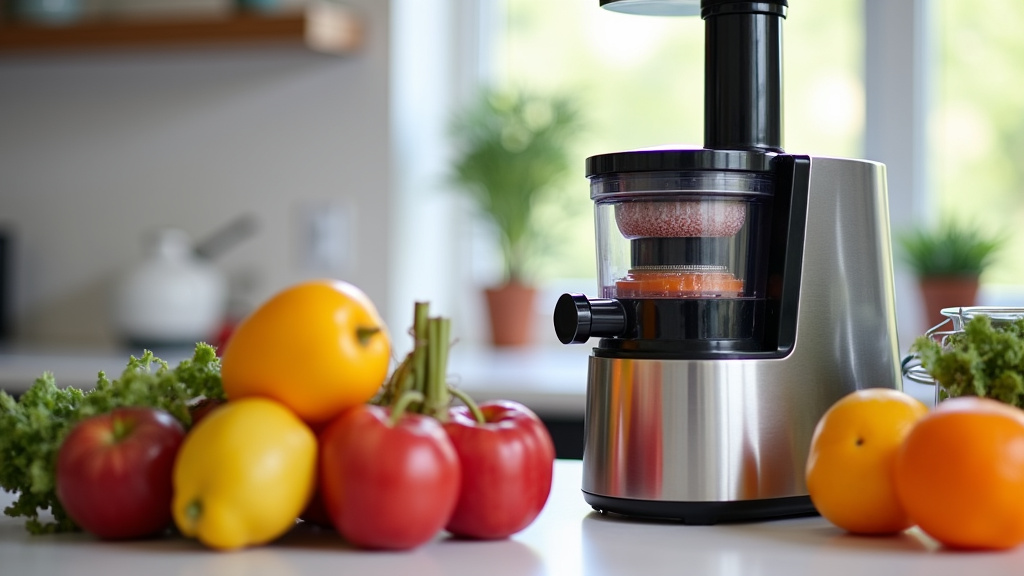
Just like any kitchen appliance part, your auger needs care. Regular cleaning is essential. Food particles can get stuck in the grooves of the auger, which can affect its performance and hygiene.
Most augers can be cleaned with warm, soapy water and a brush. Make sure to rinse it thoroughly and let it dry completely before reassembling your juicer. Checking for any signs of wear and tear is also a good idea.
Cleaning the Auger
After each use, it’s best to clean the auger right away. This prevents pulp from drying and hardening in its crevices. Use a soft brush or sponge with mild dish soap. Pay attention to the spiral ridges.
Some augers are dishwasher safe, but always check your juicer’s manual first. Hand washing is often recommended to prolong the life of the material. Rinsing it thoroughly ensures no soap residue remains.
Inspecting for Wear and Tear
Over time, the auger might show signs of wear. Look for any cracks, chips, or excessive scratching. A damaged auger might not perform as efficiently and could potentially damage other parts of your juicer. If you notice any significant wear, it might be time to consider replacing it.
A worn auger might result in less juice and more pulp in your output. If your juicer is several years old and you’ve noticed a decline in performance, the auger could be the culprit. Replacement parts are usually available from the manufacturer.
Key Takeaways for Your Auger Knowledge
Understanding the auger demystifies how your juicer works. It’s the core component responsible for breaking down produce and squeezing out juice. Here’s a quick rundown to help you remember its importance:
- The auger is a spinning, corkscrew-shaped part.
- Its main jobs are grinding and pressing produce.
- It’s found in masticating juicers (slow juicers).
- Augers help achieve higher juice yields and better nutrient retention.
- Regular cleaning and inspection are key to its longevity.
- Different types, like single and twin augers, offer varying levels of power and efficiency.
Conclusion
You now understand that the auger is the central part of your masticating juicer. This spinning, corkscrew-shaped component is responsible for both grinding your produce and pressing it to extract juice. It’s designed to work slowly, which helps preserve nutrients and maximize your yield. By keeping your auger clean and in good condition, you ensure your juicer continues to deliver fresh, healthy juice. Ready to put your knowledge to use? Consider cleaning your juicer’s auger right away to keep it working perfectly.
Frequently Asked Questions
How do I know if my auger is damaged?
You’ll want to look for visible signs of wear like cracks, chips, or deep scratches on the auger. If you notice your juicer isn’t yielding as much juice as it used to, or if there’s significantly more pulp in the juice, a worn auger might be the cause.
Can I use my auger for anything besides juicing?
Some twin-auger juicers are powerful enough to make things like nut butters or sorbets. However, always check your specific juicer’s manual before attempting other uses, as not all augers are designed for these tasks.
Why is a slower auger speed better for juice?
Slower speeds mean less heat and less oxidation. Heat can break down vitamins and enzymes in your produce. Less oxidation means your juice stays fresher longer and retains more of its natural goodness.
What is the difference between a single-auger and a twin-auger juicer?
A single-auger juicer has one corkscrew part that does all the work. A twin-auger juicer has two interlocking augers that spin together. Twin augers often provide more power and can handle tougher ingredients like leafy greens more efficiently.
How often should I clean the auger?
It’s best to clean your auger after every use. This prevents leftover pulp from drying and hardening, which can be difficult to remove and might affect the auger’s performance over time. A quick rinse and light scrub is usually enough.