What Is an Auger? The Simple Explanation
On this page (5 sections)
An auger is a simple tool that looks like a large screw. It’s used to dig holes, especially in the ground. You might also see it called a screw auger. It makes drilling holes much easier than using a shovel. This tool is handy for many outdoor jobs.
Think of it like a giant drill bit for dirt. An auger works by rotating its spiral. This motion pulls material up and out of the hole. It’s incredibly effective for planting, fence post installation, and more. Many people find it a real time-saver for landscaping projects.
- An auger is like a big screw for digging.
- It rotates to easily create holes in the ground.
- Perfect for jobs like planting trees or setting fence posts.
- Saves you a lot of digging time and effort.
- Simple to use for most DIY and landscaping tasks.
Let’s break down what an auger is and how it can help you tackle your next outdoor project. We’ll cover the basics so you know exactly what to expect.
Understanding What an Auger Is and How It Works
So, you’ve heard about augers and wonder what exactly this tool is. Simply put, an auger is a tool designed to drill holes. It looks like a giant corkscrew or a drill bit with a spiral blade. Its main job is to dig into the ground and remove soil or other material. This makes it much easier than traditional shoveling for certain tasks.
Think of it like this: imagine trying to dig a deep, narrow hole with just a shovel. It’s tiring and can be messy. An auger spins, and its blades cut into the earth. The spiral design then pulls the dug-up material up and out of the hole. This automatic removal of soil is what makes it so efficient. Many people find it a real time-saver for landscaping projects.
The Basic Anatomy of an Auger
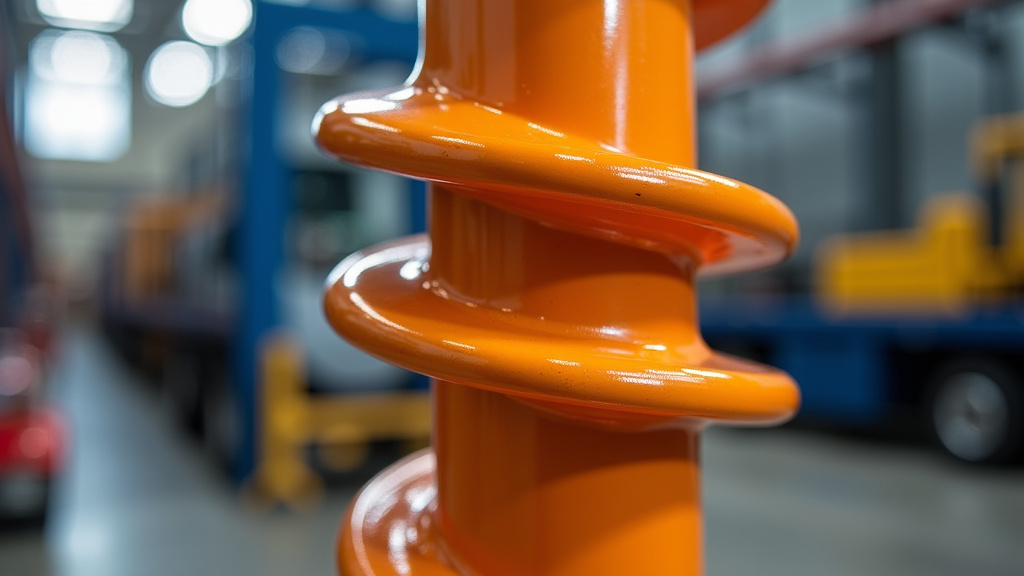
When you look at an auger, you’ll notice a few key parts. The most prominent is the spiral flight, which is like the screw thread. This part digs into the ground. At the tip, there’s often a point or cutting edge. This helps it start the hole and break up tough soil. The entire assembly is usually attached to a shaft.
The shaft is the long, straight part that connects the digging end to whatever is powering it. For manual augers, this shaft is simply what you hold and turn. For powered augers, like those used with a drill or engine, the shaft connects to the power source. Understanding these basic parts helps you see how it functions.
The All-Important Spiral Flight
The spiral flight is the heart of the auger. Its shape is crucial for its function. As the auger rotates, this flighted section bites into the soil. The angle and pitch of the spiral are engineered to lift the displaced material upwards. This continuous lifting action is what clears the hole as you dig deeper. It’s a clever design that’s been used for centuries.
Cutting Edges and Tips
At the very bottom of the auger is the cutting edge or tip. This is designed to be the first part to engage with the ground. Some tips are simple points, while others have more aggressive blades. The type of tip can depend on the auger’s intended use. For instance, an auger meant for soft garden soil might have a different tip than one designed for compacted clay or even ice.
How Does an Auger Actually Dig?
The digging action of an auger is all about rotation. When the auger spins, the spiral flights act like a screw moving through the earth. The sharp edges cut into the soil. As it digs deeper, the material it loosens is caught by the spiral. The upward motion of the rotation then carries this soil out of the hole. It’s a continuous cycle of digging and removal.
Imagine stirring a thick batter with a spoon. The batter gets pushed around the bowl. An auger does something similar, but instead of batter, it’s soil. The spiral “scoops” the soil and moves it along the shaft. This makes it much more efficient than simply pushing dirt around, which is what a shovel can sometimes do.
Manual vs. Powered Augers
The way an auger is powered makes a big difference in how it’s used. Manual augers are turned by hand. You’ll typically use these for lighter tasks or in areas where you don’t need to dig too deep. They require physical effort but offer great control.
Powered augers use a motor, often from a drill or a dedicated engine. These are much faster and require less physical strain. They are ideal for larger projects or harder ground. The power source drives the rotation, so you mainly guide the auger. Many DIYers find these a great way to tackle tough jobs.
Common Uses for an Auger Tool
You might be wondering where you’d actually use a tool like this. Augers are incredibly versatile, especially for outdoor tasks. Their ability to dig clean, consistent holes makes them perfect for a variety of applications. Let’s look at some of the most common ways people use them.
Gardening and Planting
This is perhaps the most popular use for augers. If you’re planting flowers, shrubs, or even small trees, an auger makes creating the perfect-sized hole a breeze. You can easily dig holes for bulbs to the correct depth. This ensures your plants get the best start.
Research often suggests that proper planting depth is key to a plant’s success (University Extension Services). An auger helps you achieve this consistently. It removes the guesswork and the back-breaking work of digging multiple holes. For anyone with a garden, a bulb auger is a fantastic gardening tool.
Installing Fence Posts and Signposts
Putting up a fence or a new sign can involve digging many deep holes. This is where a powered auger really shines. It can quickly dig the necessary depth for fence posts. This saves a tremendous amount of time and effort compared to manual digging.
Many guides for fence installation recommend digging holes to a specific depth to ensure stability. An auger allows you to do this efficiently. The clean walls of the hole created by the auger can also help the post sit more securely.
Landscaping and Construction Projects
Beyond planting and fencing, augers are useful in various landscaping and small construction jobs. You might use one to create holes for deck footings, mailbox posts, or even for setting landscape lighting fixtures. If you need a cylindrical hole in the ground, an auger is likely the tool for the job.
For smaller projects, a manual auger might suffice. However, for more extensive work, a powered version is often a wise investment. It can handle tougher soil conditions and a higher volume of digging.
Other Niche Applications
While gardening and fence building are common, augers have other uses too. Ice fishermen use specialized augers to drill through thick ice for fishing holes. Some construction applications might use them for soil sampling or creating anchor points. Their basic function of drilling holes makes them adaptable to many situations.
We found that the versatility of the auger is often underestimated. What seems like a simple tool can be applied in many different scenarios, both professional and for the average homeowner. It’s a testament to good design.
Choosing the Right Auger for Your Needs
With different types and sizes available, picking the right auger can seem tricky. But it boils down to your project’s needs. Consider what you’ll be doing most often.
Size and Diameter Matters
Augers come in various diameters. A small 2-inch auger is great for planting bulbs. A 6-inch or 8-inch auger is better suited for fence posts or small trees. Larger augers, like 10 inches or more, are for significant projects. Always choose an auger diameter that matches the size of the hole you need.
Manual vs. Powered Decision
As mentioned, your physical ability and the scale of your work will guide this choice. If you have a small garden with a few bulbs to plant, a manual hand auger is affordable and effective. If you have a large yard project or need to dig many holes, especially in hard ground, a powered auger will save you significant effort.
We found that many users start with a manual auger and later upgrade to a powered one as their needs grow. It’s a common progression for DIY enthusiasts.
Material and Durability
Most augers are made of steel. Look for ones with good quality welds and a sturdy construction. Some might have protective coatings to prevent rust. For powered augers, check the quality of the drill or engine it’s designed to attach to. Durability is key if you plan to use the auger frequently or in tough conditions.
Auger Attachments and Accessories
Some augers come with extensions. These allow you to dig deeper holes without needing a longer auger. If you have a particular drill, ensure the auger attachment you choose is compatible. Some brands offer specific accessories that enhance their auger’s functionality.
Here’s a quick checklist to help you decide:
- What is the primary job you need the auger for?
- How deep do your holes need to be?
- What type of soil are you working with?
- Will you be planting one thing or many?
- Do you prefer manual effort or powered assistance?
- Do you need extensions for deeper holes?
Conclusion
You now understand that an auger is essentially a specialized, screw-like tool designed for digging holes efficiently. We’ve seen how its rotating spiral flight digs into the earth and removes soil, making tasks like planting or setting fence posts much easier than with a shovel. Whether you choose a manual version for smaller jobs or a powered auger for larger projects, this tool can save you considerable time and physical strain. For your next outdoor project, consider how an auger can simplify your work and help you achieve cleaner, more consistent results. Take a moment to assess your needs and select the right size and type of auger to get the job done right.
Frequently Asked Questions
Can I use a garden auger to dig holes for fence posts?
Yes, you can, but it depends on the size of your garden auger and the required depth and width for your fence posts. For smaller, lighter fencing, a larger diameter garden auger might work. However, for most standard fence posts, a dedicated, larger auger is usually more efficient and appropriate.
How do I clean an auger after use?
After using your auger, it’s best to remove as much soil as possible while it’s still wet. You can use a hose to spray off the spiral flights and tip. For stubborn dirt, a stiff brush or even a putty knife can help scrape away residue. Allowing it to dry completely before storing will help prevent rust.
What’s the difference between a manual and a powered auger?
A manual auger is turned entirely by your own physical effort, usually with a T-handle. A powered auger uses a motor, typically from a drill or a separate engine, to do the spinning for you. Powered versions are much faster and require less physical strain, making them ideal for tougher soil or larger jobs.
How deep can an auger dig?
The digging depth of an auger is determined by its length and any extensions you might use. Standard augers typically range from 2 to 3 feet in length. Auger extensions can be added to increase the digging depth significantly, allowing you to reach as deep as your project requires.
Are augers good for planting large trees?
Augers are excellent for planting large trees, especially if you choose an appropriately sized one. A wider diameter auger ensures enough space for the root ball, and the consistent depth helps establish the tree correctly. It makes digging the large hole much quicker than manual methods.


