What Is an Auger Used For? A Guide for Beginners
On this page (5 sections)
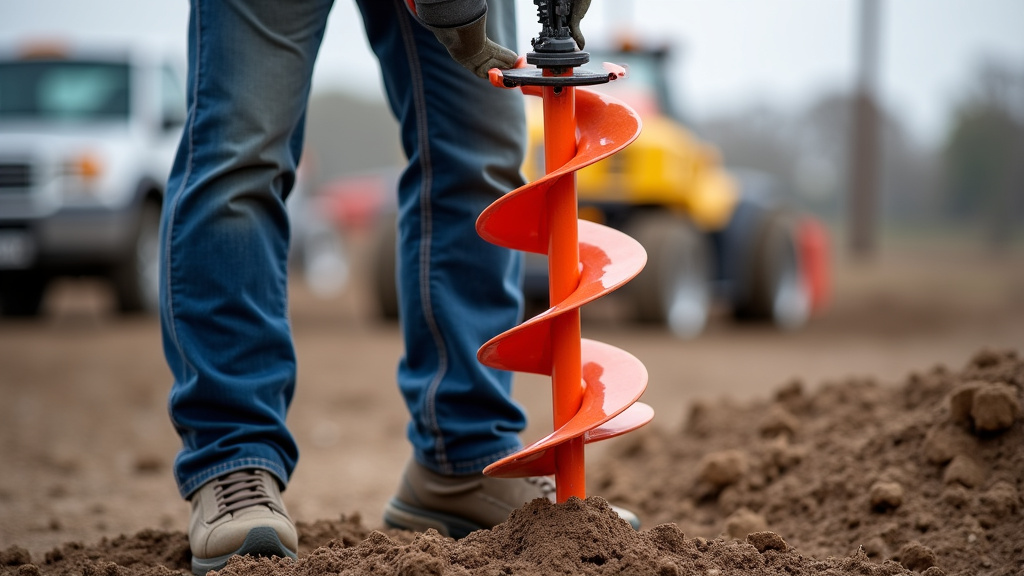
An auger is a heavy-duty tool with a helical screw blade. It’s primarily used for drilling holes in the ground or other materials. Think of it like a giant drill bit for earth, ice, or even thick mud.
Many people wonder about an auger’s uses beyond simple digging. We found that augers are incredibly versatile, helping with tasks like planting trees, setting fence posts, and even clearing ice for fishing. They save a lot of manual labor when you need to move a lot of material quickly.
- Augers drill holes using a screw-like blade.
- They help with tasks like planting and fence installation.
- Augers are great for clearing ice on frozen water.
- These tools make tough digging jobs much easier.
Let’s dig into what an auger is used for and how it can make your next project a breeze.
What Kind of Jobs Can an Auger Handle?
An auger is a powerhouse tool. Its screw-like design excels at drilling holes. You’ll find it incredibly useful for a range of tasks. It makes digging much easier and faster.
Gardening and Landscaping Projects
If you’re a gardener, an auger can be your new best friend. It makes planting bulbs and small shrubs a breeze. You simply position the auger and let the power do the work. It drills a neat, consistent hole every time. This saves your back and knees a lot of strain.
Planting Bulbs and Flowers
Imagine planting dozens of tulip bulbs in minutes. That’s the power of an auger. You can set it to a specific depth. This ensures your bulbs are planted correctly. Uniform depth leads to uniform growth, making your garden look fantastic.
Installing Small Shrubs and Trees
For larger plants like small trees or shrubs, an auger creates the perfect hole. It loosens the soil around the hole, too. This helps the plant’s roots establish themselves more easily. You’ll find your new plants take root faster and healthier.
Creating Aeration Holes
Compact soil can be a problem for lawns and gardens. An auger can create aeration holes. This allows water, air, and nutrients to reach the plant roots. It’s a quick way to improve soil health without heavy machinery.
Construction and Fencing Jobs
Building fences or setting up posts for structures? An auger is essential here. It drills precise holes for fence posts, deck supports, and more. Getting the holes right is key to a stable structure.
Setting Fence Posts
Setting fence posts by hand can take hours. An auger can dig post holes in a fraction of the time. It creates clean, straight holes. This makes it easy to set the posts plumb and secure.
Installing Deck Footings
For small decks or patios, augers can help with footings. They drill the necessary holes for concrete piers. This is much faster than manual digging. It ensures your footings are deep enough for stability.
Anchoring Small Structures
Need to anchor a playhouse, shed, or other small structure? An auger can drill holes for ground anchors. This provides a secure foundation against wind and movement.
Ice Fishing and Winter Activities
When winter arrives, augers get a different kind of job. They are vital for ice fishing. These tools create holes in thick ice, giving anglers access to the water below.
Creating Ice Fishing Holes
Ice fishing requires a hole through the frozen surface. Manual ice saws are slow and tiring. An ice auger, especially a powered one, can drill through several inches of ice quickly. This lets you spend more time fishing and less time preparing.
Safety on the Ice
While an auger creates the hole, it’s important to remember ice safety. Always check ice thickness before drilling. Many experts recommend at least 4 inches of clear, solid ice for walking (U.S. Army Corps of Engineers).
Other Practical Uses
The versatility of an auger extends beyond these common tasks. You might find it helpful in surprising ways.
Soil Sampling
For gardeners and farmers, taking soil samples is important. An auger can extract soil cores from different depths. This helps you understand your soil’s composition and nutrient levels.
Post-Hole Digging for Signs
Putting up signs for an event or business? An auger simplifies the process. It quickly drills the holes needed to secure signposts.
Mixing Small Batches of Material
Some auger attachments are designed for mixing. You can use them to blend small batches of concrete, mulch, or other materials. This can be helpful for DIY projects.
Types of Augers and What They’re For
Understanding the different types helps you pick the right tool. We found that augers come in several forms, each suited for specific jobs.
Hand Augers
These are the most basic. They are operated entirely by hand power. Think of them like a giant hand drill for the earth. They are best for small, light tasks.
Pros and Cons of Hand Augers
They are affordable and portable. However, they require significant physical effort. We found they are not suitable for hard soil or large jobs. They can be tiring to use for more than a few holes.
Electric and Battery-Powered Augers
These augers use an electric motor. They offer more power than manual augers. Battery-powered models provide great convenience and portability.
When to Choose Electric/Battery
These are ideal for medium-sized projects. They can handle moderately tough soil. They are much easier to operate than hand augers. We found they are great for homeowners with regular gardening needs.
Gas-Powered Augers
These are the most powerful augers available. They use a gas engine, offering maximum torque. They are suited for the toughest jobs and deepest holes.
Who Needs a Gas Auger?
Professionals or those tackling large-scale projects often use gas augers. They are perfect for dense clay, rocky soil, or numerous deep holes. They require more maintenance and are heavier than electric models.
Auger Bit Sizes and Shapes
The auger bit itself comes in various sizes. The diameter of the hole you need will dictate the bit size. We found that wider bits are for larger holes, like for tree planting.
Common Auger Bit Diameters
Bits range from 2 inches up to 12 inches or more. For fence posts, 4-inch to 8-inch bits are common. For planting larger trees, you might need a 10-inch or 12-inch bit.
Specialty Auger Bits
Some bits have specialized designs. There are bits with teeth for rocky soil. Others are designed for creating very deep, narrow holes. Always match the bit to your specific soil conditions and project goals.
Choosing the Right Auger for Your Needs
Selecting the correct auger is key to project success. It prevents frustration and ensures efficiency. Consider these factors when making your choice.
Project Scope and Frequency
How big is your project? Will you use the auger often? For a one-time, small job, a hand auger might suffice. If you plant many trees each year, a powered model is a wise investment. We found that frequent users benefit most from powered augers.
Soil Type
Is your soil sandy, clay-heavy, or rocky? Rocky soil can be tough on any auger. Gas-powered augers often have the torque to power through. For clay, a good quality electric auger may work well. Always check product reviews for soil type performance.
Power Source Preference
Do you prefer the ease of battery power? Or do you need the raw power of gas? Electric and battery models are quieter and produce fewer emissions. Gas models offer longer run times for extensive work. Many guidelines suggest electric options for less noise pollution (Environmental Protection Agency).
Budget Considerations
Prices vary significantly. Hand augers are the least expensive. Electric and battery models fall in the middle. Gas augers are typically the most costly. Factor in the cost of any necessary bits or accessories too.
Physical Capability
Be realistic about your own strength. Hand augers require significant effort. Even powered augers can be heavy and vibrate. If you have physical limitations, a lighter, well-balanced powered auger is a better choice. We found that a comfortable grip and balanced design make a big difference.
Here’s a quick checklist to help you decide:
- Assess your project: What size holes? How many?
- Know your soil: Is it soft, hard, or rocky?
- Consider power: Manual, electric, or gas?
- Think about frequency: One-time use or regular?
- Set your budget: How much can you spend?
- Check your strength: How much physical effort can you manage?
Conclusion
You now have a clear picture of what an auger can do. From planting bulbs to setting fence posts and even breaking ice, this tool saves you time and effort. We found that choosing the right type depends on your project’s scale, soil conditions, and personal preference. Whether you need a simple hand auger for occasional use or a powerful gas model for tough jobs, there’s an option for you. Your next step is to assess your project needs and select the auger that best fits your situation to make your tasks much easier.
Frequently Asked Questions
Can I use an auger for digging in rocky soil?
Using an auger in rocky soil can be challenging. Some specialized auger bits have teeth designed for tougher conditions. However, very large rocks can still jam or damage the auger. We recommend a powerful gas-powered auger if you expect significant rocks.
How deep can an auger dig?
The depth an auger can dig depends on its length and the type of auger bit used. Standard auger bits are typically 2 to 3 feet long. For deeper holes, you might need an extension or a specialized deep-hole auger.
Are electric augers powerful enough for clay soil?
For most clay soils, a good quality electric or battery-powered auger should be sufficient. They offer more power than hand augers. If the clay is exceptionally dense or wet, you might find a gas-powered auger provides more consistent results.
What is the difference between an auger and a post hole digger?
While both are used for digging holes, an auger is typically a powered tool with a continuous screw action. A manual post hole digger usually has two clam-shell style blades that you open and close to scoop out soil. Augers generally create cleaner, straighter holes faster.
Do I need special safety gear when using an auger?
Yes, safety is important. Always wear sturdy work gloves and eye protection to guard against flying debris. If using a powered auger, hearing protection is also recommended. Ensure you have a firm footing and clear the area around you before operating.


