What Can You Juice in a Cold Press Juicer? The Everyday Guide
Yes, you can juice a wide variety of fruits and vegetables in a cold press juicer. These powerful machines excel at extracting maximum juice from hardy greens, fibrous root vegetables, and soft fruits. You’ll get more nutrient-rich juice with less pulp than other juicer types.
Cold press juicers, also known as masticating juicers, use a slow-grinding process. This method helps preserve more vitamins and enzymes. You can even juice items like wheatgrass and herbs. It’s a fantastic way to boost your daily intake of fresh produce.
- Juice most fruits and veggies.
- Excellent for greens and root vegetables.
- Handles soft fruits well.
- Preserves more nutrients.
- Great for wheatgrass and herbs.
We found that cold press juicers are incredibly versatile. Below, we’ll walk you through exactly what you can juice and what to expect for delicious, healthy results.
“`htmlWhat Can You Actually Juice in a Cold Press?
You might be wondering just how versatile your cold press juicer really is. Research and findings show that these machines are designed to handle a wide variety of produce. From tough root vegetables to delicate berries, you can extract a lot of goodness. Let’s break down what works best.
Your Guide to Juicing Fruits in a Cold Press
Fruits are a natural fit for most juicers, and cold press models are no exception. They do a fantastic job of squeezing out the sweet nectar from your favorite fruits, leaving behind most of the fibrous pulp. This means you get a smoother, more enjoyable juice.
Harder Fruits
Think of apples, pears, and citrus fruits like oranges and grapefruits. Your cold press juicer can handle these with ease. For citrus, you’ll want to peel them first to avoid bitter pith in your juice. The slow, steady action of the auger effectively breaks down the flesh and releases the juice.
Softer Fruits
What about those softer, juicier fruits? Berries, like strawberries, blueberries, and raspberries, are wonderful in a cold press. You can also juice things like pineapple, melon, and peaches. For these, you might want to mix them with harder produce, like an apple. This helps push the softer fruits through the juicer more efficiently.
Citrus Zest and Seeds
While you can juice whole citrus fruits, we found it’s best to remove the thick peel. The pith can sometimes make your juice taste bitter. Likewise, large seeds can be tough on your juicer’s motor. A little prep work goes a long way for the best tasting citrus juice.
Mastering Your Cold Press for Vegetables
Vegetables are where cold press juicers truly shine. They excel at extracting juice from fibrous and dense vegetables, yielding a higher amount of juice with less waste compared to centrifugal juicers. This is especially true for leafy greens and root vegetables.
Leafy Greens: The Powerhouses
This is a key advantage of cold press juicers. They are designed to handle leafy greens like spinach, kale, romaine lettuce, parsley, and mint. You can even juice nutrient-dense options like swiss chard and collard greens. The slow mastication process prevents the leaves from getting pulverized and instead grinds them effectively for maximum juice extraction.
Many sources suggest that juicing greens is a fantastic way to increase your intake of vitamins and minerals (Harvard Health Publishing). Your cold press juicer makes this wonderfully simple.
Root Vegetables: For Earthy Goodness
Carrots, beets, ginger, and turmeric are prime candidates for your cold press juicer. These hard, fibrous roots are no match for the powerful auger. You’ll get a rich, concentrated juice from them. For beets, many people enjoy the earthy sweetness, especially when paired with apples or carrots.
Cruciferous Vegetables: With a Little Care
Broccoli, cauliflower, and cabbage can be juiced, but they tend to produce a stronger, sometimes slightly bitter flavor. We found that juicing them in smaller quantities or mixed with sweeter fruits and vegetables yields the best results. These are nutrient-dense, so even a small amount can be beneficial (National Institutes of Health).
Other Great Veggies
Don’t forget about celery, cucumbers, bell peppers, and even zucchini! These are all excellent choices for your cold press juicer. Celery juice, in particular, has gained popularity for its hydrating and nutrient properties.
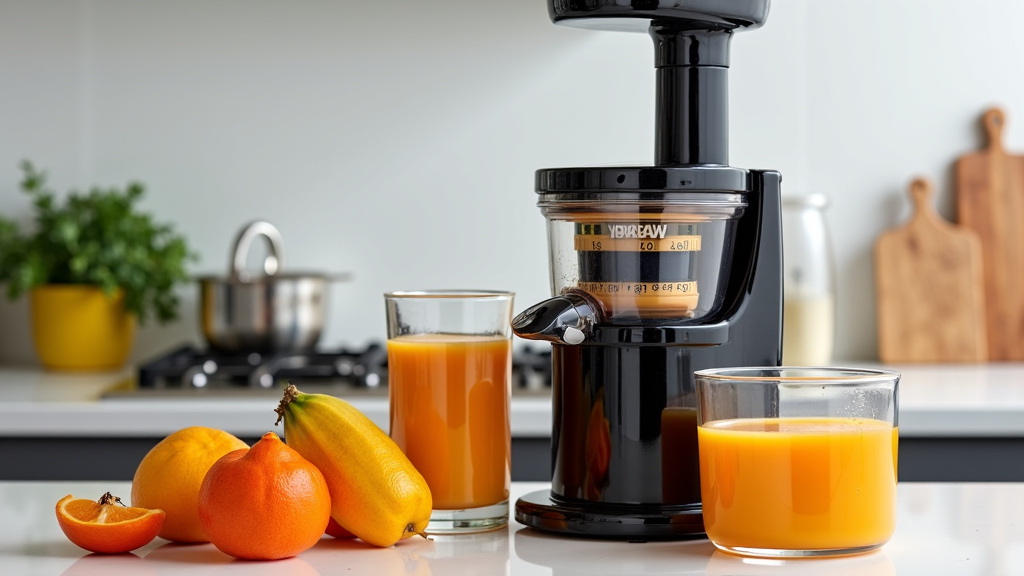
Beyond Fruits and Vegetables: What Else Can You Juice?
Your cold press juicer’s capabilities extend beyond typical produce. You can juice items that might surprise you, opening up a whole new world of healthy beverages and ingredients.
Herbs and Wheatgrass
This is a major win for cold press juicers. They are superb at juicing delicate items like parsley, cilantro, mint, and basil. Because the process is slow and gentle, it captures the essential oils and potent flavor of these herbs. Wheatgrass is another superstar. Its fibrous nature makes it difficult for other juicers, but a cold press will extract a potent shot of chlorophyll-rich juice.
Nuts and Seeds (for Milk)
Some cold press juicers come with an attachment or are designed to make nut milks. You can soak nuts like almonds, cashews, or macadamia nuts and then process them to create creamy, dairy-free milk. This is a great way to control the ingredients and avoid additives found in store-bought versions.
What to Be Cautious With
While your cold press juicer is versatile, there are a few things to approach with caution or avoid altogether. Very hard items like pits from stone fruits (cherries, plums) can damage the machine. Extremely starchy items like potatoes are generally not recommended for juicing in high quantities, as they can clog the juicer. Also, avoid juicing things like bananas or avocados, as their texture doesn’t lend itself well to juicing and can create a very thick, unpleasant pulp.
| Category | Examples | Notes |
|---|---|---|
| Leafy Greens | Spinach, Kale, Romaine, Parsley | Excellent results, nutrient-dense. |
| Root Vegetables | Carrots, Beets, Ginger, Turmeric | Juice deeply, full of flavor. |
| Hard Fruits | Apples, Pears, Pineapple | Sweet and refreshing juice. |
| Soft Fruits | Berries, Melon, Peaches | Mix with harder items for best flow. |
| Citrus | Oranges, Grapefruits, Lemons | Peel first to avoid bitterness. |
| Herbs & Wheatgrass | Mint, Cilantro, Wheatgrass | Superb extraction, potent flavors. |
A Quick Checklist for Juicing Success
To make your juicing experience as smooth as possible, keep these simple tips in mind:
- Wash all produce thoroughly.
- Cut items into manageable pieces.
- Remove large seeds and pits.
- Peel citrus fruits to avoid bitterness.
- Mix hard and soft items for better juicing.
- Start with easier produce if you’re new to juicing.
Conclusion
You now know that your cold press juicer is incredibly versatile. It can handle a wide range of produce, from hearty greens and root vegetables to soft fruits and even herbs. By understanding what works best and doing a little prep, you can unlock a world of fresh, nutrient-rich juices. So, go ahead and experiment with your favorite fruits and vegetables to create delicious and healthy drinks tailored just for you. Your next favorite juice is waiting to be discovered!
Frequently Asked Questions
Can I juice cooked vegetables in my cold press juicer?
No, it’s generally best to avoid juicing cooked vegetables. Cold press juicers are designed for raw produce. Cooking vegetables can change their texture and fiber content, which may not work well with the juicer’s mechanism and could result in a less flavorful or less efficient juice extraction.
What’s the best way to juice fibrous vegetables like celery?
For fibrous vegetables like celery, we found that cutting them into manageable lengths, about 2-3 inches, and feeding them steadily into the juicer works best. This helps prevent the fibers from getting tangled. Juicing them on their own or with a slightly firmer fruit like an apple can yield a good amount of juice.
Is it okay to juice seeds from fruits like apples?
It’s recommended to remove larger seeds from fruits like apples, pears, and stone fruits before juicing. While some smaller seeds might pass through, larger ones can potentially damage the juicer’s auger or strain the motor. Removing them ensures a smoother juicing process and protects your machine.
How do I clean my cold press juicer after juicing tough greens?
Cleaning is essential for longevity. After juicing tough greens, promptly disassemble your juicer and rinse all parts with warm water. Use the provided cleaning brush to scrub away any pulp or residue from the strainer and auger. A quick clean right after use makes deep cleaning much easier.
Can I juice a whole orange with the peel in a cold press?
While your cold press juicer can physically process an orange with its peel, we advise against it for the best taste. The orange peel contains a bitter pith that can significantly affect the flavor of your juice, making it taste unpleasant. It’s better to peel citrus fruits before juicing for a sweeter, smoother result.