Cold Press Juice vs Normal Juice: A Quick Guide
On this page (8 sections)
- Juice: Cold Pressed vs. Standard – What’s the Difference?
- How Juices Are Made: The Science Behind the Squeeze
- Nutrient Retention: What You Actually Get
- Taste and Texture: Your Sipping Experience
- Cost and Accessibility: The Practical Side
- Making Your Choice: What Matters Most to You?
- Conclusion
- Frequently Asked Questions
When you’re choosing between cold press juice and normal juice, cold pressing generally wins for retaining more nutrients. Normal juicing methods can create heat that degrades vitamins. Cold pressing uses a slow, steady pressure to extract juice, keeping more of the Our guide explains why cold pressing uses pressure, not heat, to juice.good stuff intact. This means you often get a more nutrient-dense drink with a cold press.
You might be wondering about the taste and texture differences too. Cold-pressed juices tend to have a smoother, more concentrated flavor profile. The process also preserves more of the natural enzymes. Many people prefer the cleaner taste that comes from this gentler extraction method compared to centrifugal juicers.
- Cold pressing uses pressure, not heat, to juice.
- This preserves more vitamins and enzymes.
- Normal juicers can generate heat, reducing nutrient levels.
- Cold-pressed juice often has a smoother, richer flavor.
- Both offer hydration and some nutrients.
Let’s break down the key differences between cold press juice and normal juice so you can decide which is best for your needs.
Juice: Cold Pressed vs. Standard – What’s the Difference?
You’re standing in the juice aisle, or maybe you’re thinking about getting a juicer for your kitchen. You see “cold-pressed” and then regular juice. They look similar, but they’re made differently. This can mean different things for your health and your wallet. We’re here to help you understand these differences so you can make the best choice for you.
How Juices Are Made: The Science Behind the Squeeze
The Cold Press Method: Gentle Extraction
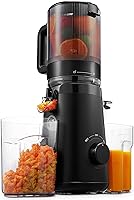
Cold pressing is like a gentle hug for your fruits and veggies. It uses a hydraulic press to slowly squeeze the juice out. This method involves two main steps. First, the produce is ground into a pulp. Then, this pulp is placed in a cloth bag and put into the hydraulic press. The press applies thousands of pounds of pressure to extract every last drop of juice. This process creates very little heat. This is key because heat can damage delicate nutrients. Learn more about what makes cold press juicers unique.
Standard Juicing Methods: The Heat Factor
Most other juicers, like centrifugal juicers, work differently. They use a fast-spinning blade or disc. This blade grates or shreds the produce at high speeds. Centrifugal force then pushes the juice through a sieve. The rapid spinning creates friction and heat. This heat can degrade some of the heat-sensitive vitamins, like Vitamin C. It can also affect enzymes. Think of it like cooking your juice – some of the good stuff can be lost in the process. We found research suggests this heat can reduce nutrient levels significantly compared to cold pressing (NCBI).
Nutrient Retention: What You Actually Get
Vitamins and Minerals: The Cold Press Advantage
Because cold pressing avoids high heat, it’s generally better at preserving vitamins and minerals. Many experts agree that this gentle method retains more of the original nutrients from the produce. This means you might get a more powerful dose of goodness in every sip. For example, Vitamin C is quite sensitive to heat. Cold-pressed juices often show higher levels of this important antioxidant. We found that even after processing, cold-pressed options tend to have more intact nutrients.
Enzymes: The Living Part of Your Juice
Juices also contain natural enzymes. These are important for digestion and many other bodily functions. High heat can destroy these enzymes. Cold pressing, by keeping temperatures low, helps to keep more of these beneficial enzymes alive and active in your juice. This can be a big draw for people looking for the most “living” or biologically active beverage possible. Many nutritionists point out that enzymes play a vital role in how our bodies process food (Cleveland Clinic).
Fiber: Where Does It Go?
Both methods remove most of the fiber from the produce. Fiber is the pulp and skin. While fresh fruits and vegetables are a great source of fiber, juicing removes a lot of it. This means you miss out on some of the benefits of fiber, like feeling full longer and supporting gut health. If fiber is a main goal for you, eating whole fruits and vegetables might be a better choice. Some juicers are designed to retain a little more fiber, but generally, it’s significantly reduced.
Taste and Texture: Your Sipping Experience
Flavor Profile: Richer or Brighter?
People often describe cold-pressed juice as having a smoother and more concentrated flavor. Because the process is so gentle, the pure taste of the fruits and vegetables really shines through. You might notice a cleaner, less “pulpy” taste. Standard juicers, due to the higher speeds and potential for oxidation, can sometimes produce a juice that tastes a bit more metallic or “cooked.” This isn’t always the case, but it’s a common observation. We found that many tasters prefer the pure, unadulterated taste of cold-pressed options.
Texture: Silky Smooth vs. Slightly Pulpy
Texture is another difference you’ll likely notice. Cold-pressed juices tend to be very smooth and velvety. The fine mesh used in the pressing process results in a liquid with minimal pulp. Standard centrifugal juices can sometimes have a slightly frothier or more watery texture. You might also find small bits of pulp in them, depending on the juicer’s filter. If you prefer a perfectly smooth drink, cold-pressed might be more your style. If you don’t mind a little texture, a standard juice is perfectly fine.
Cost and Accessibility: The Practical Side
Price Point: You Get What You Pay For?
Let’s talk about your wallet. Cold-pressed juices are almost always more expensive than juices made with standard juicers. This is due to the slower, more labor-intensive process. The equipment itself is also often more costly. Standard juicers are more common and widely available, making the juice they produce more affordable. You can find standard juices in almost any grocery store. Cold-pressed options are often found in specialty health stores or are more premium offerings.
Availability: Where to Find Them
Finding cold-pressed juice used to be harder, but it’s becoming more common. You’ll see them in many supermarkets now, often in the refrigerated section. They have a shorter shelf life because they lack preservatives and are made without heat. Standard juices, especially those that are pasteurized, have a much longer shelf life and are easier to find everywhere. For a closer look at juice made without pasteurization, see our guide to unpasteurized juice. If you need a quick, readily available juice, standard is usually the way to go.
Making Your Choice: What Matters Most to You?
So, how do you decide? Think about what’s most important for your needs. Are you prioritizing maximum nutrient intake and the purest flavor? Cold-pressed juice might be your best bet. Are you looking for a more budget-friendly option that’s widely available and still provides hydration and some vitamins? A standard juice could be a good fit.
Here’s a quick checklist to help you decide:
- Do you want the most nutrients possible?
- Is a smooth, concentrated flavor important to you?
- Are you okay with a higher price for nutrient density?
- Do you need something easily accessible every day?
- Is shelf life a major concern for your juice choice?
- Are you trying to avoid heat-processed beverages?
Both types of juice offer hydration and a way to get some of the goodness from fruits and vegetables. The “better” choice really depends on your personal goals, budget, and what you look for in a drink.
Conclusion
You’ve learned that cold-pressed juice uses gentle pressure to keep more nutrients and enzymes intact, often resulting in a cleaner, richer flavor. Standard juicing methods, while faster and more affordable, can lose some nutritional value due to heat. When choosing, consider what matters most to you: maximum nutrient density and flavor purity, or budget-friendliness and easy availability. Think about your daily habits and how juice fits into your routine. Your best choice is the one that aligns with your personal health goals and lifestyle.
Frequently Asked Questions
Can I get fiber from cold-pressed or normal juice?
Both cold-pressed and normal juicing methods remove most of the fiber from fruits and vegetables. While juicing offers hydration and some vitamins, you won’t get the fiber benefits like feeling full longer. If fiber is your main goal, eating whole produce is usually a better option.
Is cold-pressed juice always healthier than normal juice?
Cold-pressed juice generally retains more vitamins and enzymes due to its low-heat process. However, both types of juice provide hydration and some nutrients. The “healthiest” choice depends on your specific dietary needs and what you’re looking to gain from your juice.
Why is cold-pressed juice more expensive?
The higher cost of cold-pressed juice comes from its slower, more labor-intensive production process. The equipment used is also often more specialized and costly. Standard juicers are more common and produce juice faster, making them more economical.
Does the taste difference between cold-pressed and normal juice really matter?
Many people find cold-pressed juice has a smoother, more concentrated, and pure flavor because the gentle process preserves more of the produce’s natural taste. Standard juicers can sometimes create a slightly frothier or “cooked” taste due to friction and heat.
How long does cold-pressed juice last compared to normal juice?
Cold-pressed juices typically have a shorter shelf life, often only a few days, because they are not pasteurized or made with heat and usually lack preservatives. Standard juices, especially those that are pasteurized, can last much longer.