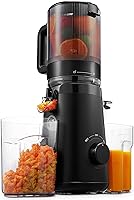
Why Is Cold Pressed Juice Better? The Key Facts
On this page (5 sections)
Cold pressed juice is better because it uses a gentle pressing method. This method helps keep more nutrients intact compared to other juicing types. It’s a way to get a highly concentrated dose of vitamins and minerals from your fruits and vegetables.
When you choose cold pressed, you’re opting for juice made without added heat. This preserves enzymes and flavor better. It’s a popular choice for those seeking the purest form of juice from their produce.
- Cold pressing uses pressure, not heat.
- This process retains more vitamins.
- It also keeps more natural enzymes.
- You get a richer, more vibrant flavor.
Let’s break down why this method makes a difference for your health and taste buds.
Understanding the Cold Pressing Difference
So, you’re curious about why cold pressed juice gets so much attention. It all comes down to how it’s made. Unlike other juicing methods that can generate heat, cold pressing uses a special technique. This gentle process is designed to capture the most goodness from your fruits and vegetables. We’re talking about preserving more of the stuff your body loves.
Think of it like this: would you rather have your vitamins gently coaxed out or zapped with heat? Most people would choose the gentle approach. This method aims to keep the nutrients as close to their original state as possible. That’s the core reason behind its popularity.
The Science of Gentle Juicing
Cold pressed juicing relies on a two-step process. First, fruits and vegetables are ground down. This usually happens in a masticating juicer. Then, a hydraulic press applies immense pressure. This is where the magic happens. The press extracts the juice from the pulp without generating significant heat. This The press extracts the juice from the pulp without generating significant heat, leading to the preservation of nutrients.preservation of nutrients is the key advantage.
Other juicers, like centrifugal models, spin at high speeds. This friction can create heat. Even a small amount of heat can degrade certain vitamins and enzymes. Research has shown that heat can affect nutrient content. Cold pressing bypasses this issue entirely.
Centrifugal vs. Cold Press: A Quick Look
Centrifugal juicers are often faster. They use a spinning blade to shred produce. The juice then goes through a mesh to separate it. This friction can lead to oxidation. Oxidation is like food going a bit stale. It can reduce the nutritional punch. Cold pressing avoids this rapid oxidation. It keeps the juice fresher for longer.
The hydraulic press in cold pressing works slowly. It squeezes out every last drop. This thoroughness means you get more juice from your produce. More juice means more vitamins and minerals packed into each bottle. It’s a win-win for both your health and your wallet.
Nutrient Retention: What’s Being Preserved?
When we talk about nutrients, we mean vitamins, minerals, and enzymes. Cold pressing is known for keeping these vital compounds intact. Vitamins like Vitamin C are particularly sensitive to heat. They can be lost in juicing processes that generate warmth.
Enzymes are also important. They help your body digest food and absorb nutrients. Many enzymes are delicate. They can be destroyed by heat. Cold pressing helps to maintain the natural enzyme profile of the fruits and vegetables. This can make the juice easier for your body to use.
Vitamins and Minerals: The Big Picture
Many studies have looked at nutrient differences in juices. They often find that cold pressed juices have higher levels of certain vitamins. This includes Vitamin A and Vitamin C. These are powerful antioxidants. They help protect your cells from damage. Getting more of them is generally a good thing.
Minerals like potassium and magnesium are also well-preserved. These are essential for many bodily functions. They help regulate blood pressure and muscle function. Cold pressing ensures you get a good dose of these essential minerals. It’s a concentrated way to boost your intake.
Enzymes: Nature’s Helpers
Enzymes are like tiny workers in your body. They help chemical reactions happen faster. This is important for everything from digestion to energy production. Raw fruits and vegetables are full of enzymes. Heat can break these enzymes down. Cold pressing helps keep them active.
Consider digestive enzymes. They help break down your food. Drinking juice with active digestive enzymes could potentially aid your own digestion. While research is ongoing, the preservation of these natural helpers is a compelling reason to choose cold pressed. It’s about getting the juice as close to nature intended.
Flavor and Freshness: A Taste of Purity
Beyond the nutrients, there’s the taste. Cold pressed juice often tastes remarkably fresh. Because no heat is involved, the natural flavors of the fruits and vegetables really shine through. You can often taste the individual ingredients more distinctly.
This pure flavor profile is a big draw for many consumers. It means you’re not just getting a healthy drink. You’re also enjoying a delicious one. The vibrant colors of the juice are also often more intense. This suggests a higher concentration of phytonutrients, which are plant compounds that can benefit health.
Why the Taste is Different
Think about cooking. When you heat food, its flavor changes, right? Vegetables can become sweeter or more mellow. Juice is no different. The heat from other juicing methods can alter the natural sugars and acids. This changes the final taste.
Cold pressing avoids these flavor shifts. The juice retains the bright, crisp taste of the produce. It’s a more direct connection to the original fruit or vegetable. Many find this taste to be cleaner and more satisfying. It’s less likely to taste “cooked” or metallic.
A Closer Look at Oxidation and Flavor
Oxidation, which we touched on earlier, also impacts flavor. When juice is exposed to air and heat, it can start to break down. This can lead to a duller, less vibrant taste. It can even develop a slightly bitter or metallic note. This is more common in juices made with high-speed centrifugal juicers.
Cold pressed juice has less oxidation. This helps maintain its fresh, lively flavor. It’s why cold pressed juices are often recommended for immediate consumption. You get the best taste and nutrient profile when you drink it soon after it’s made.
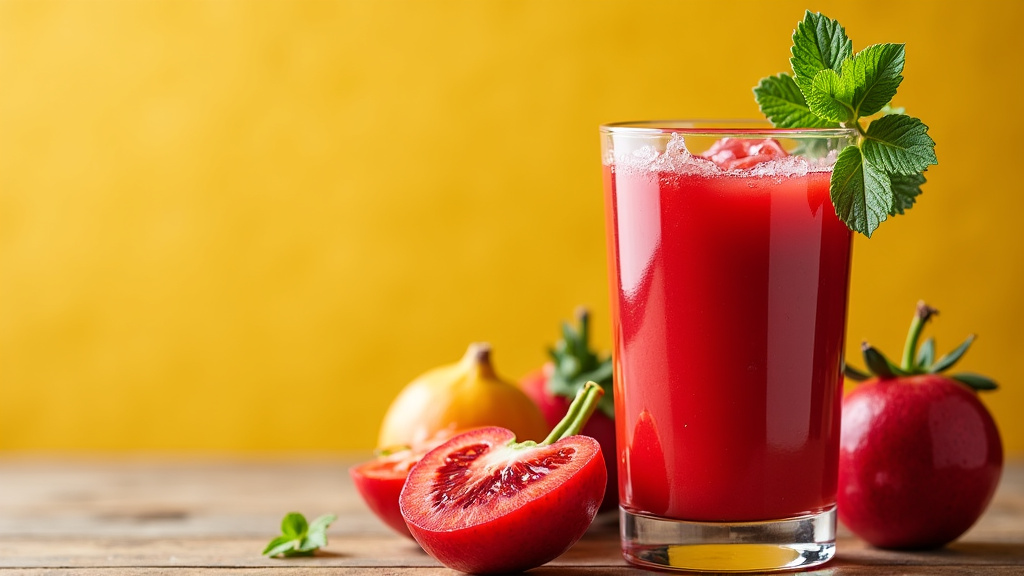
Practical Considerations for Shoppers
When you’re at the store, or looking online, you’ll see different types of juice. Understanding the differences can help you make the best choice for your needs. Cold pressed juice typically has a shorter shelf life than pasteurized juice. This is because it contains living enzymes and is not treated with heat. This can be a good thing, as it means you’re getting a more “alive” product.
However, it also means you need to consume it relatively quickly. Always check the expiration date on cold pressed juices. Proper storage, usually refrigerated, is also key to maintaining its quality and freshness. It’s part of the commitment to a more natural product.
Shelf Life and Storage
Most cold pressed juices are meant to be consumed within a few days of purchase. Some brands use advanced packaging or techniques to extend this slightly, but the principle remains: less processing means a shorter shelf life. This is often compared to buying fresh produce from the farmer’s market versus canned goods.
The lack of pasteurization means harmful bacteria can grow if the juice isn’t handled properly. That’s why refrigeration is non-negotiable. Always keep your cold pressed juice cold. When in doubt, trust your senses. If it smells or looks off, it’s best to toss it. Your health is the priority.
Cost and Availability: What to Expect
You might notice that cold pressed juices can be more expensive than other juices. There are a few reasons for this. The equipment used for cold pressing is often more specialized and costly. The process itself is slower and more labor-intensive. More produce is often needed to make the same amount of juice compared to some other methods.
Additionally, the focus on nutrient and flavor preservation means higher quality ingredients are often used. While the initial cost might seem higher, many consumers feel the benefits in terms of nutrient density and taste justify the price. As the popularity of cold pressed juice grows, availability is increasing in many grocery stores and specialty health food shops.
Here’s a quick checklist to help you remember the key benefits:
- Higher Nutrient Retention: More vitamins and minerals preserved.
- Active Enzymes: Beneficial enzymes remain intact.
- Superior Flavor: Rich, natural taste of fruits and veggies.
- Less Oxidation: Juice stays fresher and more vibrant.
- No Added Heat: Gentle process protects delicate compounds.
- Pure Produce Taste: Experience the real flavor of your ingredients.
Conclusion
You’ve learned that cold pressed juice stands out because its gentle, heat-free process preserves more nutrients, enzymes, and natural flavors. This means you’re getting a more vibrant and potent drink, closer to the goodness of fresh produce. While it might have a shorter shelf life and a higher price point, the benefits for your taste buds and body often justify the choice. Next time you’re reaching for juice, consider the cold pressed option to experience produce in its purest, most potent form. Your body will thank you for the nutrient-rich boost!
Frequently Asked Questions
Is cold pressed juice really that much healthier?
Research suggests cold pressed juice retains more vitamins, minerals, and enzymes because it avoids heat. This gentle method helps keep these beneficial compounds intact compared to other juicing techniques. You’re essentially getting a more concentrated dose of what your fruits and vegetables offer.
Why does cold pressed juice taste so much better?
The absence of heat in the cold pressing process allows the natural flavors of the fruits and vegetables to shine through. Unlike juicers that create friction and heat, cold pressing prevents flavor alteration. This results in a cleaner, more vibrant taste that truly reflects the produce.
How long does cold pressed juice actually last?
Because it’s not pasteurized, cold pressed juice has a shorter shelf life, typically a few days to a week when refrigerated. This is a sign of its minimal processing, aiming to deliver fresh nutrients. Always check the expiration date and store it cold.
Is cold pressed juice worth the higher cost?
Many people find the cost justified by the superior nutrient retention and fresh taste. The production process uses specialized equipment and more produce, contributing to the higher price. If maximizing nutrient intake and enjoying pure flavor are your goals, it can be a worthwhile investment.
Can I make cold pressed juice at home?
Yes, you can make cold pressed juice at home if you have a masticating juicer or a dedicated cold press juicer. These machines use a slow, grinding, and pressing method to extract juice without generating significant heat. While it requires specific equipment, it allows you complete control over your ingredients.