What Is a Press Juicer? A Beginner’s Guide
On this page (3 sections)
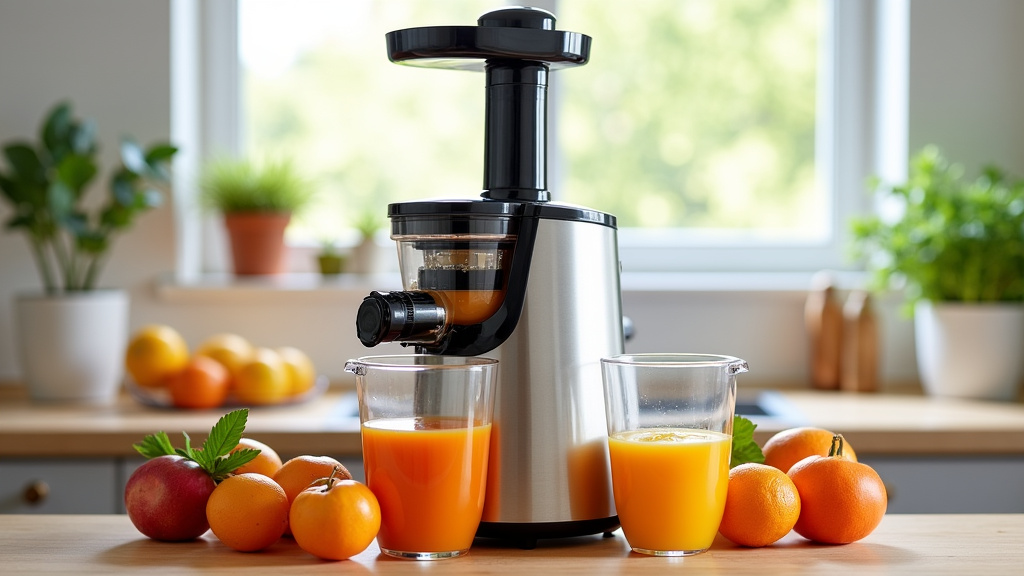
A press juicer is a type of slow juicer that uses a pressing action to extract juice. Unlike centrifugal juicers, it operates at a much lower speed. This gentle process helps retain more of the nutrients in your fruits and vegetables. You can think of it as a gentle squeeze rather than a forceful shredding.
Many people choose press juicers for their ability to produce high-quality juice. They are often praised for yielding more juice from leafy greens and herbs. This gentle extraction method also results in less oxidation, meaning your juice stays fresher for longer. It’s a popular choice for those serious about maximizing their produce.
- Press juicers gently extract juice by pressing.
- They operate at a slow speed to preserve nutrients.
- This method yields more juice from leafy greens.
- Juice made with a press juicer tends to be less oxidized.
- It’s a great option for maximizing your produce’s goodness.
Ready to understand how this works and if it’s the right juicer for your kitchen? Below, we’ll cover exactly what a press juicer is and what you should know as a beginner.
Understanding the Press Juicer: Your Guide to Gentle Extraction
So, what exactly is a press juicer, and how does it work its magic? Think of it like this: it’s a juicer that uses a slow, steady pressure to get the juice out of your produce. Instead of spinning and grinding at high speeds, it gently squishes. This is different from many other juicers you might see.
The Core Mechanism: How It Presses
Press juicers, often called masticating juicers, use a single auger, which is like a corkscrew. This auger rotates slowly inside a mesh screen. As it turns, it grinds and crushes the produce. Then, it forces this pulp through the screen. The juice comes out one side, and the pulp is expelled from the other. It’s a methodical process.
Auger Design Matters
The design of the auger is key. Some are made of hardened plastic, while others are stainless steel. The shape and threading of the auger also affect how efficiently it breaks down different types of produce. A well-designed auger can make a big difference in your juicing experience. It’s all about that slow, powerful press.
Slow Speed, Big Benefits
The defining characteristic of a press juicer is its low speed. Most operate between 40 and 120 RPM (revolutions per minute). This is significantly slower than centrifugal juicers, which can spin at thousands of RPM. Why does this slow speed matter so much? It’s all about protecting the good stuff in your fruits and veggies.
Nutrient Preservation: The Gentle Approach
High speeds in juicers can generate heat. This heat can degrade some of the delicate vitamins and enzymes in your juice. The slow, pressing action of a press juicer minimizes heat buildup. Research has shown that slower juicing methods tend to retain more nutrients. This is a major reason why many people prefer them.
Less Oxidation for Fresher Juice
When juice is exposed to air, it oxidizes. This process can change the color and taste. It also reduces the nutritional content. Because press juicers extract juice with less aeration, the resulting juice is less oxidized. This means your juice can stay fresh in the refrigerator for up to 72 hours, sometimes longer. This makes it easier to juice in batches.
What Kind of Juice Can You Expect?
The juice from a press juicer is often described as having a smoother, richer texture. Because it extracts juice so thoroughly, you get more out of your produce. This means you might need less fruit and vegetables to make the same amount of juice. It’s a more efficient way to get your daily dose of goodness.
Leafy Greens and Herbs: Where They Shine
Press juicers are particularly good at juicing leafy greens like spinach, kale, and wheatgrass. Centrifugal juicers often struggle with these. They tend to push leafy greens through without extracting much juice. The slow grinding action of a press juicer excels at breaking down fibrous greens. You’ll likely be impressed with the yield you get from your favorite greens.
Versatility with Produce Types
While they excel with greens, press juicers handle a wide variety of produce, including ingredients for green juice. You can juice fruits, vegetables, and even some nuts. Harder items like carrots and beets are no problem. Softer fruits like berries and tomatoes can also be juiced. Some models can even make nut milks or pasta!
Comparing Press Juicers to Other Types
It’s helpful to see how press juicers stack up against their juicing cousins. The two main types you’ll encounter are centrifugal juicers and twin-gear juicers. Knowing the differences can help you choose the best fit for your kitchen.
| Juicer Type | Extraction Method | Speed | Best For | Yield | Oxidation |
|---|---|---|---|---|---|
| Press/Masticating | Slow grinding and pressing | Low (40-120 RPM) | Leafy greens, fruits, vegetables | High | Low |
| Centrifugal | High-speed spinning and straining | High (1,000-20,000 RPM) | Harder fruits and vegetables | Moderate | High |
| Twin-Gear (Triturating) | Two intermeshing gears grind and press | Low (around 100 RPM) | Harder ingredients, fibrous greens, wheatgrass | Very High | Very Low |
Press vs. Centrifugal: A Quick Look
Centrifugal juicers are often faster and more affordable. They use a spinning basket to separate juice from pulp. However, their high speed creates heat and oxidation. This means less nutrient retention and shorter juice shelf life. If you’re looking for the highest quality juice, especially from greens, a press juicer is often the better choice. You’ll find that the extra time spent is often worth the quality of juice you get.
Press vs. Twin-Gear: What’s the Difference?
Twin-gear juicers are a subtype of masticating juicers. They use two rotating gears that intermesh to grind ingredients. These are often considered the top-tier when it comes to juicing efficiency and nutrient preservation. They can be a bit more expensive and sometimes harder to clean than single-auger press juicers. However, for serious juicers, they offer exceptional performance. For most beginners, a single-auger press juicer offers a great balance.
Is a Press Juicer Right for You? A Checklist
Thinking about adding a press juicer to your kitchen? Ask yourself these questions:
- Do you plan to juice a lot of leafy greens and herbs?
- Is maximizing the nutrient content of your juice a priority?
- Do you want your juice to stay fresh longer?
- Are you willing to spend a little more time on prep and cleanup for better results?
- Is a smoother juice texture appealing to you?
- Does the idea of a quieter, slower juicing process sound good?
If you answered yes to most of these, a press juicer might be your perfect match. It’s an investment in your health and well-being, offering a fantastic way to enjoy fresh, nutrient-rich juices.
Conclusion
You’ve now learned that a press juicer, often called a masticating juicer, offers a gentle yet powerful way to extract juice. Its slow, steady pressing action is designed to preserve more nutrients and minimize oxidation. This means you get fresher, richer juice, especially from leafy greens and herbs. If maximizing the goodness from your produce is your goal, and you don’t mind a slightly slower process, a press juicer could be an excellent addition to your kitchen. Consider what you’ll be juicing most often to make the best choice for your needs.
Frequently Asked Questions
How is a press juicer different from a blender?
A press juicer separates juice from pulp, creating a liquid drink. A blender, on the other hand, pulverizes the entire fruit or vegetable, including the fiber, creating thicker smoothies. You won’t get separate pulp with a blender. You can learn more about juicing vs. blending to see how they compare.
Can I juice citrus fruits in a press juicer?
Yes, you can juice citrus fruits like oranges and grapefruits. Some models may recommend peeling the rind first to avoid bitter oils. The slow pressing method is effective for extracting juice from citrus segments.
Are press juicers difficult to clean?
Cleaning a press juicer typically involves disassembling the main parts and rinsing them. While it takes a bit more effort than a simple glass, most manufacturers design them for relatively straightforward cleanup. Prompt cleaning after each use makes it easier.
How much counter space does a press juicer take up?
Press juicers vary in size, but they generally have a moderate footprint. Many are designed to be reasonably compact for countertop storage. Check the dimensions of specific models if counter space is a concern for you.
Is it worth spending more on a press juicer?
For many people, the investment in a press juicer is worthwhile due to its superior nutrient retention and higher yield, especially from greens. If you’re serious about health and maximizing the benefits of your produce, the higher quality juice can justify the cost.


