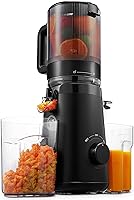
What Is a Gear Juicer? A Straightforward Guide
On this page (7 sections)
A gear juicer, also known as a twin-gear juicer or masticating juicer with twin gears, is a type of slow juicer that uses two interlocking rotating gears to extract juice. These gears work together to crush and press fruits and vegetables, effectively separating the juice from the pulp with minimal heat generation. This design is praised for its ability to produce high-quality juice.
Unlike centrifugal juicers that spin at high speeds, gear juicers operate at a much slower rotation. This gentle juicing process helps to preserve more nutrients, enzymes, and vitamins in your juice. Many users prefer gear juicers for their efficiency and the superior quality of the juice they produce. They are particularly good for juicing leafy greens and tougher vegetables.
- What it is: A slow juicer with two interlocking gears.
- How it works: Gears crush and press produce to extract juice.
- Key benefit: Preserves more nutrients due to slow, low-heat operation.
- Best for: Leafy greens, herbs, and fibrous vegetables.
- Juice quality: Often results in higher yields and less oxidation.
We’ve researched how gear juicers work and why they’re a popular choice for home juicing. Let’s break down what makes them special and what you should know before buying one.
Understanding How Gear Juicers Work
You’re curious about gear juicers. That’s great! Understanding how they operate is key to knowing if one is right for you. Unlike the speedy centrifugal juicers you might have seen, gear juicers take a more thoughtful, slower approach. They use twin gears that work together like a gentle, powerful pair of hands squeezing juice from your produce. This methodical action is the secret to their efficiency and the quality of the juice they produce.
The Twin-Gear Mechanism Explained
At the heart of a gear juicer are two auger-style gears, often called twin gears or twin worms. These gears are designed to interlock perfectly. When you turn them on, they rotate towards each other at a slow speed. This slow rotation is deliberate. It’s not about brute force; it’s about a controlled, efficient extraction process. The produce gets caught between these rotating gears.
As the gears turn, they crush and grind the fruits and vegetables. Think of it like a high-tech milling process for your produce. The gears break down the cell walls of the plant material. This breakdown allows the juice to be released. At the same time, the gears push the crushed material towards a sieve. The sieve separates the liquid juice from the solid pulp. The pulp is then expelled from the machine. The juice flows out from a separate spout, ready for you to enjoy.
Why Slow Speed Matters for Your Juice
The slow speed is where the magic happens. Centrifugal juicers spin very fast, often over 1,000 RPM. This high speed can create heat. It can also introduce a lot of oxygen into the juice. Gear juicers, on the other hand, typically operate at speeds between 60 and 120 RPM. This is a huge difference! This gentle juicing process has several benefits for your juice’s nutritional content and shelf life.
One major benefit is nutrient preservation. Many vitamins and enzymes are sensitive to heat and oxidation. The low speed of a gear juicer generates minimal heat. It also incorporates far less air into the juice. This means more of the beneficial compounds from your fruits and vegetables can make it into your glass. You’re essentially getting a more nutrient-dense juice. This is a big reason why health-conscious individuals often prefer this type of juicer.
Benefits You Can Taste and See
So, what does this slower, gear-driven process mean for you and your juice? It translates into tangible improvements in juice quality and what you can juice. You’ll notice a difference in both the taste and the nutritional profile. It’s like the difference between a fast-food meal and a carefully prepared, home-cooked dish. You get a richer, more wholesome result.
Higher Juice Yields
One of the most impressive aspects of gear juicers is their efficiency. They are known for extracting a higher yield of juice from your produce compared to many other juicer types. This means you get more juice from the same amount of fruits and vegetables. This is especially noticeable when juicing harder items like carrots or celery, and particularly with leafy greens.
Why do they get more juice out? The twin gears’ crushing and pressing action is very thorough. They break down the produce more effectively. They squeeze out more of the liquid trapped within the plant cells. This thoroughness means less juice is left behind in the pulp. Over time, this can save you money on your grocery bill, as you’re using your produce more efficiently. It’s a win-win for your wallet and your health.
Juice That Lasts Longer and Tastes Fresher
Remember how we talked about less heat and oxygen? This directly impacts how long your juice stays fresh and how it tastes. Juice from a gear juicer tends to have a longer shelf life. Many users report that their juice stays fresh in the refrigerator for up to 72 hours. This is significantly longer than the juice from some centrifugal juicers.
The reduced oxidation means the juice is less likely to turn brown or develop an “off” taste. It retains its vibrant color and fresh flavor for longer. This is fantastic if you like to juice in batches. You can prepare your juice for a few days at a time. You’ll still enjoy that just-juiced freshness. It’s perfect for busy mornings or for packing in a lunchbox. You don’t have to sacrifice quality for convenience.
Excellent for Leafy Greens and Tough Veggies
If you’re keen on juicing a lot of leafy greens like spinach, kale, or wheatgrass, a gear juicer is often your best bet. These fibrous ingredients can be challenging for other juicers to handle. Centrifugal juicers, for instance, often struggle to extract much juice from them, leaving you with a lot of wet pulp. Gear juicers excel here.
The twin gears are designed to grab and effectively process these tougher, fibrous materials. They can break them down thoroughly. This means you can get a decent amount of juice from your greens. You can also confidently juice harder vegetables like carrots, beets, and celery. The powerful, slow-moving gears make short work of them. This versatility makes gear juicers a great all-around choice for a varied juicing diet.
What Can You Juice with a Gear Juicer?
You might be wondering about the variety of foods you can put into a gear juicer. The good news is they are quite versatile. While they truly shine with greens and hard vegetables, they can handle a wide range of produce. Think of them as your kitchen’s workhorse for extracting maximum goodness from your fruits and vegetables. It’s about maximizing the health benefits of the foods you consume.
Fruits and Vegetables
Of course, you can juice most common fruits like apples, oranges, pears, and berries. You can also juice standard vegetables such as cucumbers, bell peppers, and zucchini. As mentioned, leafy greens and root vegetables are where they really prove their worth. You can juice things like ginger and turmeric root too, adding a spicy kick and healthful properties to your drinks.
Beyond Produce: Other Uses
Some gear juicer models offer additional attachments that expand their capabilities. With certain attachments, you can turn your juicer into a food grinder or a pasta maker. Some can even make nut butter or sorbet. This makes a gear juicer a more multi-functional appliance in your kitchen. It’s more than just a juicer; it becomes a versatile food processor.
Always check the manufacturer’s specifications for your particular model. They will list exactly what the juicer is capable of. They’ll also tell you which attachments are available. This can help you get the most value out of your investment. You might be surprised by how many different things you can create with it.
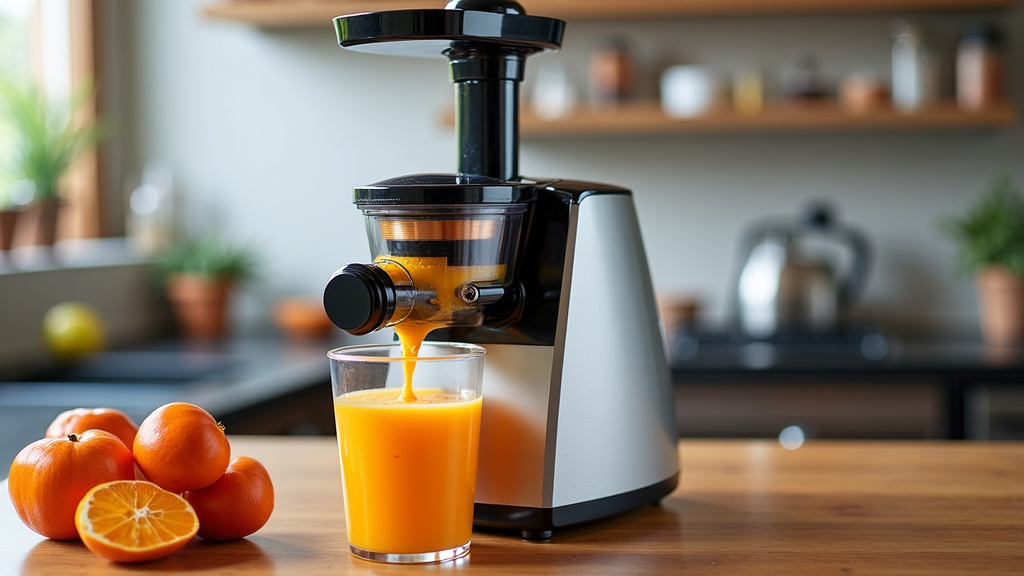
Comparing Gear Juicers to Other Juicer Types
To truly appreciate a gear juicer, it helps to see how it stacks up against the other main types of juicers. The two most common alternatives are centrifugal juicers and hydraulic (or masticating) juicers without twin gears. Each has its own strengths and weaknesses, but gear juicers often hit a sweet spot for many users.
Gear Juicers vs. Centrifugal Juicers
We’ve touched on this, but let’s be clear. Centrifugal juicers are fast and often less expensive. They work by shredding produce and then spinning it at high speed to separate juice from pulp. Their main drawback is the heat and oxidation they introduce, leading to lower nutrient retention and shorter juice shelf life. They also struggle with leafy greens.
Gear juicers, with their slow, dual-gear action, offer superior nutrient preservation and a longer shelf life for juice. They also handle leafy greens and fibrous vegetables much better. The trade-off is typically a slower juicing process and a higher initial cost. However, for many, the juice quality and yield make the investment worthwhile.
Gear Juicers vs. Single-Gear Masticating Juicers
Single-gear masticating juicers also operate slowly and gently, similar to gear juicers. They use one large auger (screw) to crush and press produce against a screen. They also offer good nutrient preservation and handle greens well. Many users find them very effective.
The primary difference lies in the twin gears versus a single gear. Research suggests that twin-gear juicers can sometimes be even more efficient at extracting juice, especially from harder ingredients. They may also have a slight edge in pulp dryness. Some users also find the twin-gear action to be more effective at breaking down tougher fibers. Both are excellent choices, but twin-gear models are often considered the top tier for efficiency and juice quality.
Quick Comparison Table
| Feature | Gear Juicer | Centrifugal Juicer | Single-Gear Masticating Juicer |
|---|---|---|---|
| Speed | Slow (60-120 RPM) | Fast (1,000+ RPM) | Slow (60-120 RPM) |
| Juice Quality | High nutrient retention, low oxidation, long shelf life | Lower nutrient retention, higher oxidation, short shelf life | High nutrient retention, low oxidation, long shelf life |
| Leafy Greens | Excellent | Poor | Very Good |
| Yield | High | Moderate | High |
| Price | Higher | Lower | Moderate to High |
Choosing the Right Gear Juicer for You
Now that you understand what a gear juicer is and how it works, you might be thinking about getting one. It’s an exciting prospect! To make sure you pick the best one for your needs, consider a few key things. Think about your juicing habits and what’s most important to you. It’s about finding a tool that fits your lifestyle.
What to Look For: A Checklist
Here’s a simple checklist to guide your decision-making process:
- Motor Power: Ensure it’s strong enough for tough ingredients.
- Build Quality: Look for durable materials like stainless steel.
- Ease of Cleaning: Some models are easier to take apart and wash.
- Included Attachments: Do you want extra functions like pasta making?
- Warranty: A longer warranty often indicates manufacturer confidence.
- User Reviews: See what other owners say about performance and reliability.
By considering these factors, you can confidently select a gear juicer that will serve you well for years to come. It’s an investment in your health and culinary adventures. You’ll be well on your way to enjoying delicious, nutrient-rich juices right from your own kitchen.
Conclusion
You’ve learned that a gear juicer, with its twin-gear system, offers a superior juicing experience. It gently crushes and presses produce at a slow speed. This method helps preserve more nutrients and enzymes. You get higher juice yields, less oxidation, and juice that stays fresh longer. Gear juicers are also excellent for leafy greens and fibrous vegetables. Ready to enjoy healthier, tastier juice? Consider a gear juicer for your kitchen.
Frequently Asked Questions
Are gear juicers difficult to clean?
Cleaning a gear juicer is generally straightforward. Most models come with brushes to help scrub the gears and screens. You’ll want to rinse and clean the parts soon after juicing for the best results.
Can I juice citrus fruits in a gear juicer?
Yes, you can juice citrus fruits, but it’s often best to peel them first. The pith and peel can sometimes make the juice too bitter or affect the juicer’s performance. Removing the peel ensures a sweeter, cleaner juice.
What is the difference between a single-gear and twin-gear juicer?
Both are slow juicers, but twin-gear juicers use two interlocking gears that work together. Research suggests this can lead to even higher juice yields and drier pulp compared to single-gear models. They may also be slightly more efficient at breaking down tough fibers. You can learn more about the differences between juicing vs. blending to see which fits your needs.
How long can I store juice made with a gear juicer?
Juice made with a gear juicer typically lasts longer due to less oxidation and heat exposure. Many users report that their juice stays fresh in an airtight container in the refrigerator for up to 72 hours. Always store it cold and sealed.
Are gear juicers worth the higher price?
For many people, the investment in a gear juicer is worthwhile. You get better nutrient preservation, higher juice yields, and the ability to juice a wider range of produce. The extended shelf life of the juice can also save you money and reduce waste.