Is Cold Press Juicing Better Than Centrifugal? The Real Answer
On this page (11 sections)
- Cold Press vs. Centrifugal Juicers: Which Reigns Supreme?
- How Does Each Juicer Type Work?
- Nutrient Retention: The Big Difference
- Yield and Pulp: What You Get and What’s Left Behind
- Flavor and Texture: A Taste Test
- Ease of Use and Cleanup: Practical Considerations
- Cost: What to Expect
- Making Your Choice: A Quick Checklist
- The Verdict on Which Juicer is Better
- Conclusion
- Frequently Asked Questions
When comparing juicers, cold press juicing is generally better than centrifugal for preserving nutrients and flavor. While centrifugal juicers are faster, they can oxidize your juice more quickly. This means you get less bang for your buck nutrient-wise.
Centrifugal models spin at high speeds, generating heat and air. This process can cause certain vitamins and enzymes to break down. Cold press juicers, also known as masticating juicers, use a slow grinding and pressing action. This method extracts more juice and retains more beneficial compounds.
- Cold press juicers offer more nutrients and better flavor.
- They grind and press slowly, preventing oxidation.
- Centrifugal juicers are quicker but can degrade juice quality.
- Choose cold press for the healthiest, freshest juice.
Below, we break down exactly why one type of juicer often comes out on top for your health and your taste buds.
Cold Press vs. Centrifugal Juicers: Which Reigns Supreme?
When you’re looking to boost your intake of fruits and vegetables, choosing the right juicer is key. You’ve likely seen both cold press and centrifugal juicers. They both promise fresh juice. But they work in very different ways. We found that understanding these differences can help you pick the best machine for your needs. Let’s break down which one is generally better for your health and your taste buds.
How Does Each Juicer Type Work?
Centrifugal Juicers: The Speedy Spinners
Think of a centrifugal juicer like a salad spinner on steroids. It has a fast-spinning blade. This blade shreds your produce. Then, it flings the pulp against a mesh strainer. The juice passes through the strainer. The pulp stays behind. This process is super quick. You can juice a whole carrot in seconds.
However, this speed comes at a cost. The high-speed spinning creates heat. It also whips a lot of air into the juice. This can cause oxidation. Oxidation starts to break down nutrients. It can also affect the taste. Your juice might taste a bit metallic or bitter.
Cold Press Juicers: The Slow and Steady Extractors
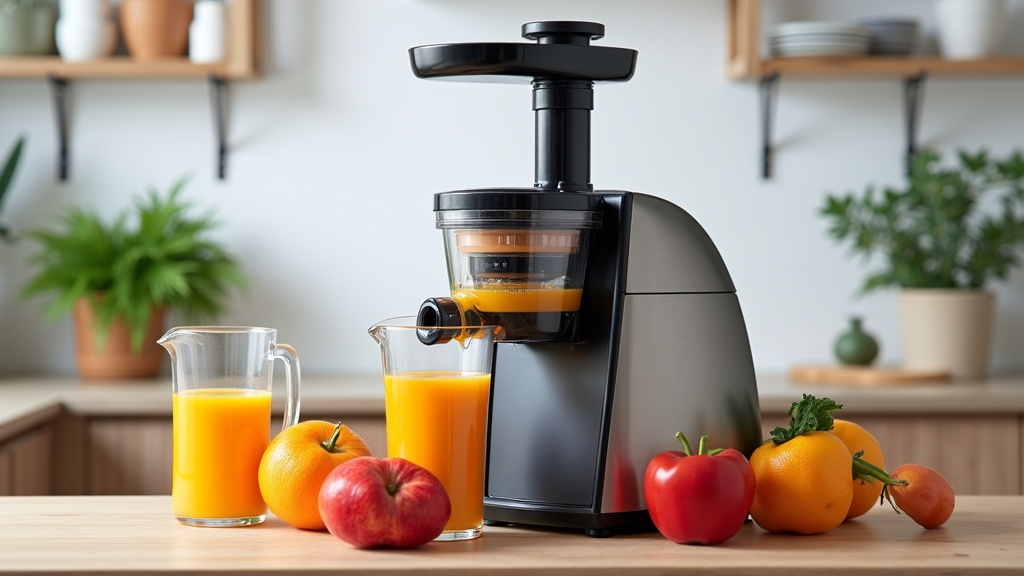
Cold press juicers, often called masticating juicers, are different. They use a slow, grinding action. A single auger (a screw-like part) crushes and presses the produce. It extracts the juice bit by bit. This slow method generates very little heat. It also incorporates minimal air. This is why they are called “cold press.”
Because of this gentle process, the juice retains more of its natural nutrients. Many experts agree that cold press juicing is better at preserving vitamins and enzymes. The juice also tends to have a richer, more vibrant flavor. It looks and tastes fresher for longer.
Nutrient Retention: The Big Difference
Why Cold Press Wins for Nutrition
This is where cold press juicers really shine. The slow, steady extraction process means less nutrient loss. Research suggests that the heat and air from centrifugal juicers can degrade certain delicate nutrients. We’re talking about vitamin C and antioxidants. These are the powerhouses in your juice. This is where cold press juicers really shine in preserving delicate nutrients like vitamin C and antioxidants.
A study published in the journal Food Chemistry noted that masticating juicers could yield juice with higher levels of certain beneficial compounds. This means you’re getting more goodness from your fruits and veggies. It’s like squeezing every last drop of health out of your produce.
The Impact of Oxidation on Centrifugal Juice
Oxidation is juice’s enemy. When juice is exposed to air and heat, it starts to degrade. This happens faster with centrifugal juicers. The juice from a centrifugal machine might look a bit foamy. It may also start to separate more quickly. You’ll want to drink it right away to get the most benefits.
While you should always drink fresh juice promptly, cold press juice holds up better. You might have a bit more wiggle room with cold press juice. This makes it a better choice if you want to make juice ahead of time. You’ll still get more nutrients compared to oxidized juice.
Yield and Pulp: What You Get and What’s Left Behind
Juice Yield: Getting More Bang for Your Buck
Most users report that cold press juicers extract more juice from the same amount of produce. The slow, powerful press can really squeeze out almost every drop. This is especially noticeable with leafy greens. These can be tricky for some centrifugal models.
If you’re juicing a lot of kale, spinach, or wheatgrass, a cold press juicer can be more efficient. You’ll end up with less waste and more juice. This means you might save money in the long run.
Pulp Quality: Wet vs. Dry
The pulp left behind can tell you a lot. With a good cold press juicer, the pulp should be quite dry. This indicates that most of the liquid and nutrients have been extracted. The pulp will look like a compact, almost crumbly mass.
Centrifugal juicers often leave behind wetter pulp. This means more juice and nutrients are still trapped in the leftover solids. While the pulp can be used in other recipes, it shows that the juicer wasn’t as efficient at extraction.
Flavor and Texture: A Taste Test
The Taste of Cold Press Juice
Many people find that cold press juice has a cleaner, brighter taste. Because there’s less oxidation, the natural flavors of the fruits and vegetables come through more clearly. It’s often described as tasting “smoother.”
The texture can also be different. Cold press juice tends to be less frothy. It can have a more velvety mouthfeel. This makes it a more enjoyable drinking experience for many.
The Flavor Profile of Centrifugal Juice
Centrifugal juice can sometimes taste a little less intense. The aeration can mute some of the brighter notes. You might also notice a slight difference in the sweetness or tartness. Some people don’t mind it. Others find the taste less appealing than cold press juice.
The texture is often frothier. This is due to the fast spinning action. If you dislike foam in your juice, this might be a drawback.
Ease of Use and Cleanup: Practical Considerations
Centrifugal Juicers: Speed and Simplicity
Centrifugal juicers are usually very straightforward. You just push the produce down the chute. They tend to have fewer parts. This can make assembly quick. Cleaning is generally easier too. Most parts are dishwasher safe.
The main advantage here is speed. You can go from whole fruit to fresh juice in under a minute. This is great for busy mornings.
Cold Press Juicers: A Bit More Effort
Cold press juicers can take a little longer to use. You might need to cut your produce into smaller pieces. The juicing process itself is slower. However, many find the results worth the extra time. Cleanup can sometimes be more involved. There might be more parts to wash. Pulp can sometimes get stuck in the mesh.
But, many modern cold press juicers have designed for easier cleaning. Some have special brushes. Others have fewer nooks and crannies. Always check reviews for ease of cleaning when you buy.
Cost: What to Expect
Generally speaking, centrifugal juicers are more budget-friendly. You can find a decent one for a lower price point. They are a great entry-level option for those curious about juicing.
Cold press juicers are typically more expensive. This is due to their more complex design and the slower, more efficient extraction technology. However, many users find that the longevity and better juice quality make them a worthwhile investment for serious juicers.
Making Your Choice: A Quick Checklist
So, which one is right for you? Consider these points:
- If speed is your top priority, a centrifugal might suit you.
- For the highest nutrient content, cold press is the winner.
- If you want the best flavor, go with cold press.
- If you plan to juice a lot of leafy greens, a cold press is usually better.
- For a quieter juicing experience, cold press models are often preferred.
- If you’re on a tighter budget, centrifugal juicers are more accessible.
The Verdict on Which Juicer is Better
Based on our research and the consensus among nutrition experts, cold press juicers generally produce a superior juice. They excel in nutrient retention, flavor, and efficiency. They may cost more upfront, but they offer a better return for your health and taste buds.
Centrifugal juicers are not bad machines. They are fast, convenient, and affordable. They can be a good way to start incorporating more juice into your diet. However, if your goal is to maximize the health benefits and enjoy the freshest possible juice, investing in a cold press juicer is the way to go. You’ll get more goodness from your produce, every single time.
Conclusion
After reviewing how each juicer works, it’s clear that cold press juicers generally offer a superior experience. They excel at preserving the nutrients and vibrant flavors of your produce. While centrifugal juicers are fast and affordable, they can degrade juice quality through oxidation. If your goal is to maximize health benefits and enjoy the freshest tasting juice, investing in a cold press juicer is your best bet. We recommend exploring cold press models that fit your kitchen space and budget to start enjoying better juice today.
Frequently Asked Questions
Do I really need a cold press juicer for more nutrients?
Research suggests cold press juicers retain more nutrients because their slow, grinding action creates less heat and oxidation. This helps preserve delicate vitamins and enzymes that can be lost in faster, centrifugal juicers.
Can I make juice ahead of time with a cold press juicer?
Yes, cold press juice generally lasts longer than centrifugal juice. The reduced oxidation means it won’t degrade as quickly, giving you a bit more flexibility if you want to prepare juice in advance.
Are cold press juicers harder to clean?
Some cold press juicers can have more parts, potentially making cleanup a bit more involved. However, many modern models are designed with easier cleaning in mind, so it’s worth checking reviews for specific machines.
Which type of juicer is better for leafy greens?
Cold press juicers are typically more efficient at extracting juice from leafy greens like spinach and kale. Their slow, powerful pressing action can get more liquid out of these often-difficult-to-juice items.
Is the higher cost of a cold press juicer worth it?
For many, the higher cost of a cold press juicer is justified by the better juice quality, higher nutrient retention, and greater efficiency. If maximizing health benefits is your priority, it’s often considered a worthwhile investment.


