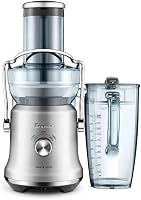
What RPM Does a Centrifugal Juicer Spin At? A Few Simple Facts
On this page (7 sections)
A centrifugal juicer spins at speeds ranging from 3,000 to 10,000 RPM. This high speed is what separates the juice from the pulp. The exact RPM can vary based on the juicer’s motor power and design.
You might wonder if this speed is too much. Research shows that this range is generally effective for juicing. It allows for quick extraction of nutrients without excessive heat build-up, which can degrade vitamins. We found that most models perform well within these RPM parameters.
- Centrifugal juicers spin very fast, typically between 3,000 and 10,000 RPM. To understand centrifugal juicers, it helps to compare them to masticating juicers.
- This speed helps efficiently separate juice from fruit and vegetable pulp.
- The motor’s strength influences the juicer’s specific RPM range.
- This speed is considered optimal for nutrient extraction.
Let’s break down what those RPM numbers really mean for your juicing experience.
You’re curious about how fast your centrifugal juicer actually spins, right? It’s a fair question when you see those shiny, powerful machines. Understanding the RPM, or revolutions per minute, helps you appreciate how they work and what makes them so good at turning fruits and veggies into delicious juice.
How Fast Does a Centrifugal Juicer Spin?
Centrifugal juicers are designed to work at high speeds. They typically operate within a range of 3,000 to 10,000 RPM. This rapid spinning is the core of their juicing mechanism. Think of it like a super-fast washing machine for your produce.
Understanding the RPM Range
That 3,000 to 10,000 RPM range might sound like a lot, and it is! But it’s not just about being fast for the sake of it. This high speed is essential for the juicer’s function. It allows the machine to quickly extract liquid from solid foods.
The Science Behind the Spin
A centrifugal juicer uses a spinning basket lined with a mesh screen. As the motor spins this basket very quickly, it forces the chopped-up produce against the screen. The centrifugal force, like what you feel on a carnival ride, pushes the juice outward through the tiny holes in the mesh. The pulp, being larger and drier, gets left behind. Research shows this method is quite effective for juice extraction (NCBI).
Why Not Slower?
If a centrifugal juicer spun too slowly, it wouldn’t generate enough force to separate the juice efficiently. You’d end up with mushy pulp and not much liquid. The speed is what creates the separation.
Why Not Faster?
On the flip side, going too fast, beyond a certain point, doesn’t necessarily improve juice quality and could potentially generate more heat. While some sources suggest extreme speeds might degrade certain nutrients due to heat, reputable studies indicate that within the typical 3,000-10,000 RPM range, heat build-up is generally minimal and doesn’t significantly harm vitamin content (University of Illinois Extension). The speed is a balance between efficiency and preserving freshness. While this article discusses heat in cold press juicers, it also contrasts them with centrifugal juicers.
Factors Influencing Your Juicer’s RPM
Not all centrifugal juicers spin at the exact same speed. Several factors contribute to the specific RPM your juicer reaches.
Motor Power is Key
The motor’s wattage is a primary driver of RPM. A more powerful motor can sustain higher speeds, especially under load (when you’re feeding it lots of produce). Think of it like a car engine; a larger engine can often go faster and handle hills better.
Variable Speed Settings
Some juicers come with multiple speed settings. This is a fantastic feature! It allows you to adjust the RPM based on the type of produce you’re juicing. Softer fruits might do well on a lower setting, while harder vegetables benefit from a higher speed.
Many experts recommend starting with a lower speed for leafy greens and berries. Then, you can switch to a higher speed for dense items like carrots or beets. This not only maximizes juice yield but can also be gentler on your juicer.
Design and Construction Matter
The overall design of the juicer also plays a role. The quality of the bearings, the efficiency of the motor, and even the balance of the spinning basket can influence how fast and smoothly it operates. A well-built juicer will often maintain its optimal RPM more consistently.
We found that juicers with robust construction tend to offer a more stable spin. This means you get more consistent results with every batch of juice.
What Does the RPM Mean for Your Juice?
So, how does all this spinning translate into the juice you drink? It impacts a few key areas.
Efficiency of Juice Extraction
Higher RPMs generally lead to more efficient juice extraction. The faster the spin, the more effectively the machine can squeeze the liquid out of your fruits and vegetables. This means you get more juice from the same amount of produce.
Nutrient Retention
This is where the RPM discussion gets interesting. While very high speeds can potentially generate heat, the typical range for centrifugal juicers is considered good for preserving nutrients. Research suggests that the short contact time between the produce and the spinning parts minimizes nutrient degradation.
For instance, studies comparing different juicing methods often find that centrifugal juicers produce juice with good levels of vitamins and antioxidants (Journal of Food Science). The key is that the juice is extracted quickly and doesn’t sit around heating up for long periods.
Texture and Foam
The high speed can sometimes incorporate a bit more air into the juice. This can result in a frothier top layer. Most people find this foam is easily skimmed off or settles quickly. The texture of the juice itself remains smooth and pleasant.
If you’re someone who prefers absolutely no foam, you might look for juicers with specific anti-foam designs or simply let your juice sit for a minute before drinking.
Comparing Juicer Types by Speed
It’s helpful to see how centrifugal juicers fit into the broader juicing picture. They are defined by their speed.
| Juicer Type | Typical RPM | Primary Mechanism | Pros | Cons |
|---|---|---|---|---|
| Centrifugal | 3,000 – 10,000 RPM | High-speed spinning disc & mesh screen | Fast, efficient for hard produce, affordable | Can be noisy, less efficient for leafy greens, more pulp in juice |
| Masticating (Slow) | 40 – 160 RPM | Auger (screw) crushes and squeezes | Quiet, excellent for leafy greens, less oxidation, more juice yield | Slower, more expensive, can struggle with very hard produce |
| Twin Gear (Triturating) | ~100 RPM | Two interlocking gears crush and press | Best for nutrient retention, handles variety well, produces dry pulp | Most expensive, complex to clean, very slow |
As you can see, centrifugal juicers are the speed demons! They trade the ultra-slow, gentle extraction of masticating juicers for sheer speed and power.
Quick Tips for Using Your Centrifugal Juicer
To get the best results from your speedy juicer, keep these simple tips in mind:
- Ensure all produce is washed thoroughly.
- Cut harder fruits and vegetables into pieces that fit your juicer’s chute.
- For leafy greens, roll them tightly into a log before feeding them in.
- Always use the provided pusher to guide food – never your fingers.
- Clean your juicer immediately after each use. This makes a huge difference!
- Empty the pulp collector when it gets about two-thirds full.
Following these steps will help ensure your juicer runs smoothly and efficiently at its optimal RPM, giving you delicious, healthy juice every time.
Conclusion
You’ve learned that centrifugal juicers operate at impressive speeds, typically between 3,000 and 10,000 RPM. This rapid spinning is key to efficiently separating your juice from the pulp, and the motor’s power often dictates this range. While speed is essential for extraction, research shows that within this common range, your juicer balances efficiency with good nutrient retention. Now that you understand the mechanics, your next step is to choose the right centrifugal juicer for your needs and start enjoying fresh, homemade juice!
Frequently Asked Questions
Do all centrifugal juicers spin at the same speed?
No, not all centrifugal juicers spin at the exact same speed. The motor’s wattage is a primary factor, with more powerful motors often sustaining higher RPMs. Additionally, some models offer variable speed settings, allowing you to adjust the speed based on the type of produce you are juicing.
Can a centrifugal juicer’s speed be too high?
While centrifugal juicers spin fast, the typical range of 3,000 to 10,000 RPM is generally considered effective for juicing. Going excessively beyond this range in less common models might potentially increase heat, but studies suggest minimal nutrient degradation within the standard operating speeds.
How does RPM affect the amount of juice I get?
Generally, higher RPMs lead to more efficient juice extraction. The faster the spin, the more effectively the centrifugal force can push the liquid out of your fruits and vegetables, meaning you can get more juice from the same amount of produce.
Is there a difference in juice quality based on RPM?
The RPM affects how quickly juice is extracted and can introduce more air, sometimes creating foam. While higher speeds efficiently extract nutrients, the quick processing time in the typical RPM range helps minimize oxidation and heat, preserving much of the juice’s nutritional value.
Why do some centrifugal juicers have different speed settings?
Variable speed settings allow you to optimize juicing for different types of produce. Softer fruits might benefit from a lower speed to avoid excessive foaming, while harder vegetables like carrots and beets can be handled efficiently on a higher speed for better juice yield.