What Is a Centrifugal Juicer? A Simple Guide
On this page (7 sections)
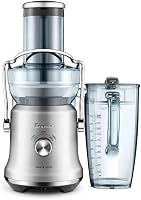
A centrifugal juicer is a kitchen appliance that uses a spinning basket and a fine mesh screen to extract juice from fruits and vegetables. It works by rapidly spinning produce against a sharp blade, forcing the liquid through the screen while separating the pulp. This makes it a popular choice for quick juicing of a wide variety of ingredients.
You might be wondering how it differs from other juicer types, like masticating juicers. Centrifugal models are known for their You might be wondering how it differs from other juicer types, like masticating juicers.speed and efficiency, often processing ingredients in seconds. They tend to be more budget-friendly, making them a great starting point for anyone looking to get into juicing without a big investment.
- Centrifugal juicers spin produce fast to make juice.
- They use a sharp blade and a mesh screen to separate liquid from pulp.
- These juicers are generally quick and easy to use.
- They are often a more affordable option for beginners.
Ready to learn more about how these speedy machines work and if one is right for your kitchen? Let’s dive into the details of what a centrifugal juicer is and how it can help you create delicious, fresh juices.
Understanding Centrifugal Juicers
A centrifugal juicer is a kitchen appliance designed to make fresh juice quickly. It’s a popular choice for many households. You might be wondering how it stands out from other juicers. We found that centrifugal models are celebrated for their speed and ease of use.
How Does a Centrifugal Juicer Work?
The core of a centrifugal juicer is its powerful motor. This motor spins a basket at very high speeds. Inside this basket is a sharp blade, often made of stainless steel. As you feed fruits and vegetables into the juicer, the blade chops them up into tiny pieces. The spinning action then throws these pieces against a fine mesh screen.
This is where the magic happens. The high-speed rotation creates centrifugal force. This force pushes the juice out of the produce. The juice then passes through the mesh screen. The screen acts like a sieve, catching the pulp and solid bits. The extracted juice flows out of a spout. The leftover pulp is collected in a separate compartment. It’s a straightforward process that happens in seconds.
The Blade and Basket System
Think of the blade as a tiny, super-fast grater. It’s designed to break down produce quickly. The basket, often cylindrical, holds the chopped ingredients against the screen. The mesh size of the screen is important. A finer mesh will result in smoother juice. A coarser mesh might let a little more pulp through.
Pulp Separation Explained
The separation of pulp from juice is a key function. The centrifugal force is the main driver here. It’s like spinning a salad spinner really fast. The water (or juice, in this case) is flung outwards. The drier bits (pulp) stay behind. This method is very effective for juicing harder fruits and leafy greens.
Key Components of a Centrifugal Juicer
Centrifugal juicers typically have a few main parts. Understanding these can help you appreciate how they work. We’ve identified the most common components.
- Motor Base: This houses the powerful motor and controls. It’s usually the heaviest part.
- Juicing Bowl/Chute: This is where you place your produce. Some have a wide chute, others a narrower one.
- Blade and Filter Basket: This is the heart of the juicer. The blade chops, and the basket (with its mesh screen) separates juice from pulp.
- Pulp Collector: This container catches the dry pulp after juicing.
- Juice Spout/Pitcher: This is where the fresh juice exits the machine. Some models come with a dedicated pitcher.
Centrifugal Juicers: Pros and Cons
Like any kitchen appliance, centrifugal juicers have their advantages and disadvantages. Knowing these can help you decide if one is the right fit for your needs.
The Advantages You’ll Love
Many people choose centrifugal juicers for good reasons. We found that speed is often the biggest draw. You can go from whole fruit to fresh juice in less than a minute. This is perfect for busy mornings or when you need a quick pick-me-up.
Another plus is their ease of use. Most centrifugal juicers are very intuitive. You just drop the produce in, and the machine does the work. Cleanup is also generally simpler than with some other juicer types. Many parts are dishwasher safe, which is a big time-saver.
Centrifugal juicers are also known for being more affordable. Compared to masticating juicers, they often come with a lower price tag. This makes them an excellent entry point for beginners. You can start enjoying fresh juice without a significant financial commitment.
Speed and Efficiency
We found that these machines can process a large amount of produce very quickly. This efficiency means less time spent juicing and more time enjoying your drink. For harder fruits and vegetables like apples and carrots, they perform exceptionally well.
Simplicity and Convenience
The straightforward operation means less of a learning curve. You don’t need to prep ingredients as much. Many models can handle whole fruits or large chunks. This convenience factor is a major benefit for daily use.
Cost-Effectiveness
The initial investment is often much lower. This accessibility allows more people to try juicing. You get a lot of functionality for the price. Many experts suggest they are a great value for casual juicers.
The Downsides to Consider
While centrifugal juicers are great, they aren’t perfect for everyone. One common observation is that they can be quite noisy. The high-speed motor can produce a considerable amount of sound. If you’re sensitive to noise, this might be a concern.
Another point to consider is the heat generated. The fast-spinning blade and motor can generate some heat. This heat can potentially affect the nutritional content of the juice. Some research suggests that prolonged exposure to heat can degrade certain vitamins (National Institutes of Health). Centrifugal juicers, due to their speed, might contribute to this more than slower juicers.
They also tend to produce more foam. This is a byproduct of the fast-spinning action aerating the juice. While not harmful, some people prefer juice without a lot of foam. You might need to let it settle or skim it off.
Finally, they are not always the best choice for leafy greens or very soft fruits. While they can juice them, the yield might be lower. More pulp might end up in your juice compared to other juicer types. You might find yourself needing to re-juice the pulp for maximum extraction.
Noise Levels
The powerful motors needed for high-speed spinning are often loud. Think of a powerful blender or food processor sound. This can be disruptive, especially in shared living spaces or early in the morning.
Nutrient Retention and Heat
The friction from the blade and motor can warm the juice. While studies vary, some nutritional compounds are sensitive to heat. This is an area where slower juicers often claim an advantage. For those hyper-focused on maximizing every nutrient, this is worth noting.
Foam and Oxidation
The rapid spinning incorporates air into the juice. This leads to a foamy layer on top. The extra air can also speed up oxidation. Oxidation means the juice might lose some freshness and its vibrant color more quickly. You might notice the juice starts to brown faster.
Juicing Yield for Certain Produce
For very soft items like berries or leafy greens such as spinach and kale, the efficiency can drop. The fast spinning might not extract all the juice effectively. You might get a wetter pulp, meaning less juice for the amount of produce used.
Centrifugal vs. Masticating Juicers: A Quick Comparison
You’ve probably heard of masticating juicers too. They are the other main type of juicer. Understanding the difference helps you choose the best one for your kitchen. We found a table can make this comparison clear.
| Feature | Centrifugal Juicer | Masticating Juicer |
|---|---|---|
| Speed | Very Fast (seconds) | Slow (minutes) |
| Mechanism | Blade and spinning basket | Auger (screw) crushes and presses |
| Noise | Loud | Quiet |
| Juice Quality | May have more foam, potential heat | Less foam, less heat, often higher yield |
| Produce Type | Best for hard fruits/veg | Excellent for leafy greens, soft fruits |
| Price | Generally more affordable | Generally more expensive |
| Ease of Use | Very easy, wide chutes | Can require more prep, narrower chutes |
In essence, if your priority is speed and budget, a centrifugal juicer is likely your best bet. If you want to maximize yield, juice lots of leafy greens, or prefer a quieter experience, a masticating juicer might be a better fit. If you do not have a juicer, see how to make juice without one.
Choosing Your First Centrifugal Juicer
Deciding on a centrifugal juicer involves a few practical considerations. Think about your typical juicing habits. This will guide you toward the right model.
Consider the Size of the Feed Chute
Some centrifugal juicers have very wide feed chutes. These are often called “whole apple” or “XXL” chutes. They allow you to put in larger pieces of produce, or even whole fruits like apples or pears. This means less chopping and prepping for you. We found this feature significantly speeds up the juicing process even further.
Other models have narrower chutes. You’ll need to cut your fruits and vegetables into smaller pieces to fit. While this takes a little more time, it doesn’t impact the juicing itself. It’s a trade-off between prep time and machine size.
Think About Ease of Cleaning
No one enjoys cleaning a kitchen appliance. With centrifugal juicers, cleaning can range from fairly easy to a bit tedious. Look for models with dishwasher-safe parts. This is a huge convenience. Removable pulp bins and filter baskets that detach easily also make a difference.
Some juicers come with a brush specifically designed for cleaning the mesh screen. This can be very helpful for removing stubborn pulp. We recommend reading reviews focusing on cleaning experience.
Evaluate Motor Power and Durability
Motor power is often measured in watts. Higher wattage generally means more power to tackle harder ingredients. For everyday juicing of apples, carrots, and celery, a moderate power level (around 600-800 watts) is usually sufficient. For tougher items or larger quantities, you might consider higher wattage.
Durability is also key. Check reviews for comments on how well the juicer holds up over time. Materials like stainless steel for blades and durable plastics are good indicators of a well-built machine.
Tips for Getting the Most from Your Centrifugal Juicer
Once you have your centrifugal juicer, there are a few ways to ensure you get the best results. These tips can help you optimize your juicing experience.
- Prep Your Produce Properly: Even with wide chutes, it’s good to wash your fruits and vegetables. Remove any large pits or seeds. For citrus, peeling is often recommended to avoid bitter pith oils.
- Juice in Batches: If you’re juicing a lot, do it in smaller batches. This prevents the motor from overheating. It also ensures the pulp bin doesn’t get too full too quickly.
- Use It Fresh: Centrifugal juiced beverages are best consumed immediately. This is when they have the highest nutritional value and best flavor.
- Experiment with Combinations: Don’t be afraid to try different fruit and vegetable combinations. You might discover new favorite flavors.
- Understand Yield Limitations: For leafy greens, you might get more juice by bunching them together or alternating with a harder fruit or vegetable.
Following these simple guidelines can help you enjoy fresh, delicious juice with minimal fuss. It’s all about making the process enjoyable and reaping the benefits of homemade juice.
Conclusion
You’ve learned that a centrifugal juicer is your go-to for fast, easy juicing. Its spinning basket and blade system quickly turn fruits and veggies into fresh juice. While it’s a bit noisy and might create foam, its affordability and simplicity make it a fantastic starting point for anyone wanting to enjoy homemade juice. If speed and convenience are your top priorities, a centrifugal juicer is likely the right choice for your kitchen. Ready to start juicing? Consider what produce you’ll use most often and choose a model that fits your needs for a delicious, healthy start!
Frequently Asked Questions
Are centrifugal juicers good for juicing leafy greens?
Centrifugal juicers can juice leafy greens, but they are often not the most efficient. We found that the fast spinning action might not extract as much juice from delicate greens like spinach or kale. You might get a wetter pulp, meaning less juice for the amount of produce you used. For better results with greens, a masticating juicer is often recommended.
How noisy are centrifugal juicers?
Centrifugal juicers are known for being quite noisy. This is because they use a high-speed motor to spin the blade and basket rapidly. Think of the sound similar to a powerful blender or food processor. If you’re sensitive to noise or live in a place where noise is a concern, this is something to consider.
Is the foam produced by centrifugal juicers bad?
The foam produced by centrifugal juicers is mostly air incorporated during the high-speed spinning process. It’s not harmful to drink. Some people prefer to let the foam settle or skim it off for a smoother texture. The extra air can lead to faster oxidation, meaning the juice might lose some freshness quicker.
How often should you clean a centrifugal juicer?
It’s best to clean your centrifugal juicer immediately after each use. Letting pulp and juice dry on the components can make cleaning much harder. Most parts can be rinsed quickly, and many are even dishwasher safe, which makes post-juicing cleanup much simpler.
Can you juice whole fruits and vegetables in a centrifugal juicer?
Many centrifugal juicers, especially those with wide feed chutes, allow you to juice whole fruits like apples or large chunks of vegetables. This significantly reduces prep time, as you won’t need to cut produce into small pieces. Always check the specifications of the model you are considering to see its feed chute size.