What Is a High Speed Juicer? A Clear and Simple Guide
On this page (6 sections)
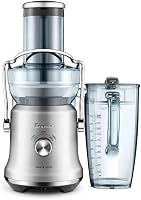
A high-speed juicer, also known as a centrifugal juicer, is a kitchen appliance that uses a fast-spinning motor and a cutting disk to extract juice from fruits and vegetables. It works by shredding produce into tiny pieces, then flinging the pulp outward against a mesh filter, leaving pure juice behind. This method is known for its speed and efficiency in juice production.
If you’re looking to quickly make fresh juice without a lot of fuss, a high-speed juicer might be a great fit for your kitchen. They are generally easier to use and faster than slower masticating juicers, making them ideal for busy mornings. Many people find they are a good entry point into home juicing.
- High-speed juicers spin fast to extract juice.
- They are known for being quick and easy to use.
- Centrifugal force separates juice from pulp through a mesh filter.
- Great for everyday juice making with fruits and softer veggies.
Let’s break down what makes these juicers tick, so you can decide if one is right for you and your healthy habits.
Understanding High-Speed Centrifugal Juicers
So, you’re curious about what a high-speed juicer really is? Think of it as your quickest route to fresh juice. These juicers use a motor that spins very fast. Inside, a cutting disk whirls at high speed. This disk works like a tiny grater. It shreds your fruits and vegetables into super-fine pieces.
From there, the magic of centrifugal force takes over. This force is what pushes the shredded produce outwards. It presses the pulp against a fine mesh screen. The juice, now separated, passes through this screen. What’s left behind is a pulp that’s mostly dry. You’re left with a glass of pure, refreshing juice.
How the Speed Helps You
The main feature is, of course, the high speed. We’re talking thousands of RPMs, often between 3,000 and 12,000. This rapid rotation is key to how these juicers work. It’s what makes them so fast at extracting juice.
This speed means you can make a big batch of juice in just a minute or two. If your mornings are usually a rush, this is a huge plus. You can grab a quick, healthy drink without adding much time to your routine. It’s about efficiency for your busy life.
The Components at Play
Let’s look at the main parts of a high-speed juicer. Understanding these can help you see how it all comes together.
The Motor and Speed
This is the engine of the juicer. A powerful motor is needed to spin the cutting disk so fast. The faster the motor, the more efficient the juicing process can be. This is the core of its “high-speed” identity.
The Cutting Disk (or Blade)
Located at the bottom of the juicer, this sharp disk spins with the motor. Its job is to shred the produce instantly. The sharper the blades, the better they can break down fibrous ingredients.
The Filter Basket and Mesh
This is where the separation happens. The shredded produce is flung into this basket. It’s lined with a very fine mesh. As the juice is pushed through, the pulp particles are caught by the mesh. This results in smooth juice.
The Pulp Collector
Any pulp that the mesh doesn’t let through goes into this separate container. Most high-speed juicers have an external pulp collector. This makes cleanup a bit easier, as you can just remove the bin and discard the pulp.
The Juicing Bowl and Lid
These parts house the cutting disk and filter. The lid usually has a chute for feeding your produce. Some models have wider chutes, which means less chopping for you.
Pros and Cons: Is It Right for You?
Like any kitchen tool, high-speed juicers have their ups and downs. Weighing these will help you decide if it fits your needs.
The Sunny Side: What We Like
- Speed: As the name suggests, these are the fastest juicers available. You get juice quickly.
- Ease of Use: They are generally very straightforward. Just turn it on, feed the produce, and you’re done.
- Simpler Cleanup: Many find the cleanup process quite manageable. The pulp is usually compacted and dry, making disposal easy.
- Affordability: Compared to some other types of juicers, high-speed models can be more budget-friendly. This makes them a great entry point for new juicers.
- Works Well with Produce: They are fantastic for hard fruits and vegetables, like apples, carrots, and beets.
The Not-So-Sunny Side: What to Consider
- Juice Quality: Because they spin fast, some air can get mixed into the juice. This can lead to oxidation, which might affect nutrient content over time and can cause foam.
- Heat Generation: The high speed can create a bit of friction and heat. Some research suggests that excessive heat can degrade certain nutrients in the juice (National Institutes of Health).
- Noise Level: These juicers can be quite noisy. It’s like a small blender running at full power.
- Not Ideal for Leafy Greens: While some can handle them, they don’t always do the best job with soft leafy greens like spinach or kale. They tend to let more pulp slip through.
- Pulp Moisture: While good for speed, the pulp might be a bit wetter than what you’d get from a slower juicer. This means slightly less juice yield from the same amount of produce.
How They Compare to Other Juicers
It’s helpful to see how high-speed juicers stack up against their slower counterparts. The main difference lies in their juicing mechanism.
Centrifugal vs. Masticating Juicers
Think of masticating juicers as “chewing” your produce. They use a slow-moving auger to crush and press fruits and vegetables. This process is much slower but can result in higher juice yields and less oxidation.
Here’s a quick comparison:
| Feature | High-Speed (Centrifugal) | Masticating (Slow) |
|---|---|---|
| Speed of Juicing | Very Fast | Slow |
| Juice Yield | Good | Excellent |
| Nutrient Retention | Good (some oxidation) | Excellent (minimal oxidation) |
| Noise Level | Loud | Quiet |
| Leafy Greens Performance | Fair to Good | Excellent |
| Price Range | Lower to Mid-Range | Mid-Range to High |
When to Choose Which
If your priority is speed and convenience for hard produce, a high-speed juicer is likely your best bet. If you’re focused on maximizing nutrient intake, juicing lots of greens, or want the quietest operation, a masticating juicer might be a better fit.
Tips for Using Your High-Speed Juicer
To get the most out of your new appliance, a few tips can make a big difference. It’s all about making the experience smooth and successful.
- Prep Smart: Wash your produce thoroughly. For most high-speed models, you’ll need to cut harder fruits and vegetables into pieces that fit the chute. Remove any large pits or hard seeds.
- Feed Gradually: Don’t force too much produce in at once. Let the juicer work at its own pace. This helps prevent clogs and ensures better juice extraction.
- Keep it Cool: For maximum freshness and nutrient preservation, drink your juice right after making it.
- Clean Promptly: This is key! Clean your juicer as soon as possible after each use. Pulp dries and can become very hard to remove if left sitting. Most models come with a cleaning brush.
- Know Your Limits: While great for many things, remember they aren’t ideal for every type of produce. Stick to what they do best for the best results.
Consider these simple steps to ensure you’re always getting the best possible juice from your machine. It makes a world of difference for both taste and ease of cleaning.
Conclusion
You’ve learned that high-speed juicers, or centrifugal juicers, offer a fast and convenient way to enjoy fresh juice. Their spinning blades and centrifugal force efficiently extract juice from fruits and vegetables, making them a great starting point for home juicing. While they excel at speed and ease of use, remember they can be noisy and may introduce more air into your juice compared to slower models. If you prioritize quick juicing for harder produce and a budget-friendly option, a high-speed juicer is likely a smart choice for your kitchen. Your next step is to consider your juicing habits and choose a model that best fits your busy lifestyle and healthy goals.
Frequently Asked Questions
Are high-speed juicers good for juicing leafy greens?
High-speed juicers can juice leafy greens, but they might not be the most efficient. They tend to let more pulp through, resulting in a less smooth juice. For consistently excellent leafy green juice, a masticating juicer is often recommended.
How does the speed of a centrifugal juicer affect the nutrients in the juice?
The high speed can cause some oxidation and slight heat generation, which might reduce certain heat-sensitive nutrients. While you still get healthy juice, a slower masticating juicer typically preserves more nutrients due to less air exposure and friction.
Why are high-speed juicers so noisy?
The noise comes from the powerful motor spinning at thousands of RPMs and the high-speed impact of the cutting disk against the produce. This rapid action is what makes them fast, but it also generates significant sound.
Can I juice frozen fruit in a high-speed juicer?
Most high-speed juicers are not designed for frozen fruit, as it can be too hard and potentially damage the blades or motor. They work best with fresh produce. For frozen fruits, sorbet makers or specific blenders are usually better options.
What is the best way to clean a high-speed juicer?
The best way to clean is immediately after use. Rinse the parts under running water and use the provided brush to scrub the filter basket and any other parts with stuck-on pulp. Most parts can be washed with soap and water, but always check your juicer’s manual for specific cleaning instructions.