
How Much Juice Is in a Lemon? What to Expect
On average, you can expect about 2 tablespoons of juice from a medium-sized lemon. This amount can vary based on the lemon’s size, ripeness, and juiciness. So, for your recipes, always plan for at least one lemon per tablespoon of juice needed.
Getting the most juice from your lemons often involves a little preparation. We found that chilling or warming lemons can impact juice yield. Also, the type of lemon matters; some varieties are naturally more plump and juicy than others. Think of your lemon as a tiny juice pouch!
- A medium lemon gives about 2 tablespoons of juice.
- Size and ripeness greatly affect how much juice you get.
- Some lemons are naturally juicier than others.
- Prepping your lemon can help release more juice.
Below, we’ll walk you through exactly how to get the most juice from your lemons, plus what to expect for different needs. Below, we’ll walk you through exactly how to get the most juice from your lemons, plus what to expect for different needs.
“`htmlUnlocking Lemon Juice: How Much Can You Actually Get?
You’ve got a recipe calling for lemon juice, and you’re wondering just how many lemons you’ll need. It’s a common question! On average, a single medium-sized lemon will give you about 2 tablespoons of juice. This might seem small, but remember, lemons are potent! For most recipes, it’s wise to plan for at least one lemon for every tablespoon of juice required. This way, you won’t be caught short mid-cooking or mid-drink-making.
The amount of juice you squeeze out can really depend on a few key factors. We’ve found that the size of the lemon is a big player. Larger lemons naturally hold more liquid. Then there’s the matter of ripeness. A lemon that’s perfectly ripe and just starting to feel a little soft will yield more juice than one that’s rock-hard and feels like it’s full of air. Don’t underestimate the power of a good, plump lemon!
Factors Influencing Lemon Juice Yield
Lemon Size: Bigger Usually Means More Juice
It sounds simple, but it’s true: larger lemons tend to be juicier. Think of it like a water balloon. A bigger balloon can hold more water. The same applies to lemons. A small, golf-ball-sized lemon might only give you a teaspoon or so of juice. A larger, baseball-sized lemon could easily produce 3 or even 4 tablespoons. When you’re heading to the grocery store, pick the lemons that feel heaviest for their size. That often indicates more juice inside.
Ripeness and Firmness: The Sweet Spot
A lemon’s ripeness plays a huge role in how easily its juice flows. We found that a lemon that’s slightly soft to the touch is usually at its peak juiciness. If your lemon feels very firm and hard, it might be a bit underripe, or it could be older and losing moisture. Overripe lemons can sometimes become dry and pithy, giving you less juice and a less vibrant flavor. Aim for lemons that have a smooth, bright yellow skin and give just a little when you gently squeeze them.
Variety of Lemon: Not All Lemons Are Created Equal
Just like apples or tomatoes, there are different types of lemons, and some are naturally juicier than others. The most common type you’ll find in supermarkets is the Eureka lemon. These are pretty standard. Meyer lemons, however, are often considered more tender and sweeter with thinner skins. Because of their thinner skins, they tend to be quite juicy. Lisbon lemons are another common variety, known for being a bit more tart and hardy, but they still provide a good amount of juice. While you might not always know the exact variety, looking for plump, heavy specimens is your best bet.
Seasonality and Growing Conditions
Like many fruits, lemons can be influenced by the time of year and the weather. Lemons are typically in season during the late fall and winter months in many parts of the world. Lemons harvested during their peak season, grown in optimal conditions, often have higher juice content. Think of it like produce from a farmer’s market versus something shipped across the country in the off-season. Local and seasonal usually means better flavor and more juice.
Tips and Tricks for Maximizing Your Lemon Juice
The Art of Rolling and Warming
Want to get every last drop? We found that a simple trick before cutting can make a big difference. Roll the lemon firmly on a countertop or table. Use the palm of your hand and apply some pressure. This helps to break down the internal membranes, making it easier for the juice to flow out when you squeeze. Another method is to warm the lemon slightly. You can do this by soaking it in warm water for a few minutes or even microwaving it for about 10-20 seconds. Be careful not to overheat it, as this can affect the flavor. Warming also helps to loosen things up inside.
The Right Tool for the Job: Juicing Methods
How you extract the juice matters. A simple citrus reamer or a handheld juicer can be very effective. These tools press down and twist, helping to break apart the fruit’s pulp. For larger quantities, an electric citrus juicer can be a lifesaver. These do the work for you and often get more juice than manual methods. Even just squeezing by hand can be effective if you use the rolling technique first. We’ve found that a good old-fashioned fork can also help pierce the flesh inside before squeezing, encouraging more juice release.
Cutting Technique for Maximum Yield
The way you cut your lemon can also impact how much juice you get. Cutting the lemon in half across its middle (equator) is the standard. This presents the largest surface area for juicing. Some people find cutting it into quarters helps when squeezing by hand. If you’re using a juicer, cutting it to fit the juicer’s receptacle is key. Some research suggests cutting at an angle can help release more juice. Try cutting it in half, then cutting each half in half again, giving you four wedges per lemon. This might be overkill for a single drink, but helpful for larger batches.
What to Expect: Juice Yield by Lemon Size
To give you a clearer picture, here’s a general guide. Keep in mind these are estimates, and your results may vary based on the factors we’ve discussed.
| Lemon Size | Estimated Juice Yield | Common Uses |
|---|---|---|
| Small (e.g., golf ball) | 1-2 teaspoons | Garnish, a splash of flavor in a single drink |
| Medium (most common) | 2-3 tablespoons | Most standard recipes, marinades, dressings, one to two drinks |
| Large (e.g., softball) | 3-4+ tablespoons | Batch cocktails, large batches of lemonade, baking projects |
A Note on Zest: Don’t Forget the Flavorful Skin!
Before you even think about juicing, consider the zest! The peel of the lemon is packed with flavorful oils. For many recipes, especially in baking or when making dressings, the zest is just as important as the juice. You can use a microplane grater or a zester to remove just the yellow outer layer, avoiding the bitter white pith underneath. Many experts suggest zesting before you juice. This makes the lemon easier to hold and zest while it’s still firm. It’s a great way to get double the flavor from your lemon.
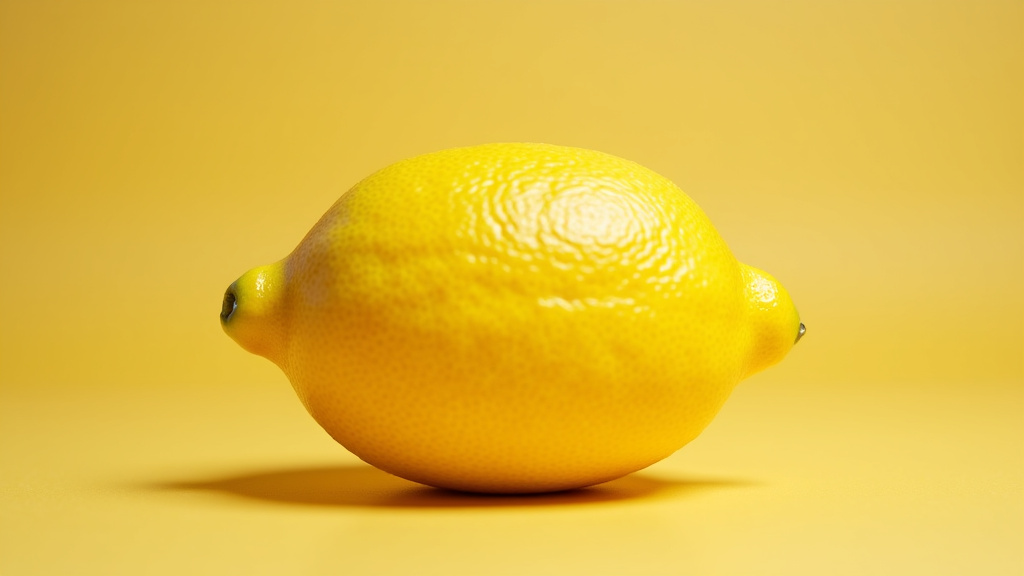
When You Need Just a Little Lemon Juice
Sometimes, a recipe only calls for a teaspoon or two of lemon juice. In this case, you probably only need half of a medium lemon, or maybe a whole small one. Don’t feel pressured to juice a whole lemon if you don’t need that much! We’ve found that the best way to store leftover lemon halves is to wrap them tightly in plastic wrap or place them in an airtight container in the refrigerator. They’ll usually keep well for 3-4 days.
When You Need a Lot of Lemon Juice
If you’re making a big batch of lemonade, a large batch of salad dressing, or tackling a recipe that requires a significant amount of lemon juice, you’ll need to stock up. For recipes calling for 1/4 cup of lemon juice, you might need 6-8 medium lemons. For 1/2 cup, plan for at least a dozen lemons. It’s always better to have a few extra on hand. Buying lemons in bulk when they’re in season can save you money and ensure you’re ready for any recipe.
Quick Lemon Juice Maximizing Checklist
- Choose plump, heavy lemons for the most juice.
- Roll the lemon firmly on a surface before cutting.
- Warm the lemon slightly in warm water or briefly in the microwave.
- Cut lemons in half across the middle for standard juicing.
- Use a good juicing tool – manual or electric.
- Store leftover lemon halves tightly wrapped in the fridge.
Conclusion
You’ve learned that a medium lemon typically yields about 2 tablespoons of juice. Remember, the size, ripeness, and even variety of your lemon all play a part in how much juice you’ll get. Don’t forget those simple tricks like rolling and warming your lemons to maximize every drop. And if you’re zesting, do it before you juice for convenience and flavor. Now you’re equipped to confidently grab the right amount of lemons for any recipe!
Frequently Asked Questions
How many lemons do I need for a cup of lemon juice?
For a full cup of lemon juice, you’ll likely need around 12 medium-sized lemons. This is because a medium lemon usually provides about 2 tablespoons of juice, and there are 16 tablespoons in a cup. It’s always a good idea to have a few extra on hand just in case.
Can I use dried-out lemons for juice?
Dried-out lemons will yield very little juice, if any. Their internal membranes become less pliable, making it difficult to extract liquid. For best results, always choose lemons that feel heavy for their size and are slightly soft to the touch, indicating freshness and juiciness.
Does juicing method affect the amount of juice I get?
Yes, the juicing method can impact your yield. We found that tools like citrus reamers and electric juicers tend to extract more juice than simply squeezing by hand. Using a fork to pierce the pulp before squeezing can also help release more juice.
How should I store leftover lemon juice?
If you have leftover lemon juice, store it in an airtight container in the refrigerator. It should stay fresh for about 2 to 3 days. For longer storage, you can freeze lemon juice in ice cube trays; once frozen, transfer the cubes to a freezer bag.
What’s the best way to get juice from a lemon if I don’t have a juicer?
If you don’t have a juicer, start by rolling the lemon firmly on your countertop. This helps break down the membranes. Then, cut the lemon in half and squeeze it firmly over a bowl, using a fork to help break up the pulp inside. You can also use the rind to catch seeds.