Beet Powder vs Beet Juice: Which Should You Choose? (November 2026)
Choose beet powder for a compact format you mix when needed, or beet juice for a ready-to-drink option. Compare the ingredients, flavor and storage needs of each product before deciding.
On this page (7 sections)
Choose beet powder for a compact format you mix when needed, or beet juice for a ready-to-drink option. Beet powder vs beet juice comes down to preparation, storage, taste and how many ingredients you want in the drink.
Powder typically comes dry and needs water or another beverage before serving. Bottled juice is already liquid, though its flavor and ingredient list can vary from one blend to another.
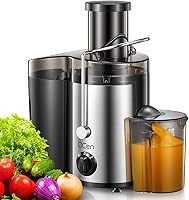
If you want to make juice from fresh roots, a juicer is another route. Our guides to the best juicer for beets and carrots and best juicer for beets cover equipment for that approach.
 Best for flavored powder
Healthy Delights SlimFast Nature Fuel Power Beets Powder

Beet powder vs beet juice: what is the main difference?
Powder is a mix-before-drinking format; bottled juice is ready to pour. The simplest choice is the one that fits how you prepare drinks and store groceries.
Powder can be useful when you want a dry product that you portion into a glass or bottle. It still needs mixing, and flavored formulas may add ingredients beyond beet.
Juice skips that step. A bottle can go straight into a glass or into a smoothie, but bottles take more storage space than a container of dry powder.
For a fruit that behaves differently in a juicer, see whether you can juice bananas.
Neither format guarantees a single ingredient. Read the product ingredients to see whether the drink is plain beet, beet with lemon, or a blend with other flavorings and produce.
How do you prepare powder and juice?
Powder needs a liquid and a stir; bottled juice needs opening and pouring. That difference matters most when you want a quick drink or prefer to control what goes into the glass.
Healthy Delights says its mixed berry powder can be mixed with a glass of water or another beverage. Snap Supplements says its powder mixes in 8–12 oz of water without a blender.
Pomona Organic Pure Beetroot Juice is ready to drink and can also be mixed with sparkling water, club soda or smoothies. Beetology describes its juice as suitable on its own or as a base for smoothies and cocktails.
Fresh beet juice adds a separate preparation path. For another root ingredient, see how to juice ginger root.
You wash and trim the produce, feed it through a juicer, then clean the machine; the juice can be served right away.
Does beet powder need a blender?
Not every powder needs a blender. Snap says its mixed berry powder mixes smoothly in water without one, while a shaker or spoon may be enough for other mixes.
Follow the directions on the container and stir until the powder is evenly dispersed. If your usual drink includes frozen fruit or several thick ingredients, a blender may help with the full recipe.
For a tool that handles chopping and blending tasks, our food processor vs blender guide explains where the appliances differ.
Which format has the simpler ingredient list?
Check the ingredient list rather than assuming powder or juice is simpler. Both formats can have more than one ingredient.
Pomona's bottled juice contains 99% organic beets and 1% lemon juice. Beetology combines beet with lemon, ginger and apple, while its product description highlights a layered flavor.
Powders also vary. Healthy Delights describes a concentrated blend of 6 whole beets with mixed berry flavor, while Snap's formula includes beet root, pomegranate, red spinach and black pepper extract, with organic stevia for sweetness.
If you want a drink that tastes less earthy, a flavored powder or blended juice may suit you better. If you want to keep the flavor focused on beet, choose a product whose ingredients stay close to that preference.
Is plain beet powder different from a formulated blend?
Yes, a formulated blend can include ingredients besides beet. Snap's powder combines beet root with pomegranate, red spinach and black pepper extract.
That may be a fit if you want a mixed-ingredient formula. For a product with fewer ingredients, inspect the package details and choose based on what you want to drink, not just the word “beet” on the front.
Our guide to the best beet juice powder covers more options for comparing powder formats and flavor profiles.
How do taste and flavor options compare?
Powder and juice can both taste earthy, but the added flavors change the experience. Look for the flavor description and the other ingredients before choosing.
Healthy Delights and Snap both offer mixed berry powders. Snap says organic stevia sweetens its formula and that the mixed berry flavor masks the earthy beet taste.
Pomona's juice pairs beet with lemon juice, while Beetology combines beet with lemon, ginger and apple. These added flavors can make the drink taste brighter or fruitier than a product centered on beet alone.
Taste is personal, so consider what you already enjoy in smoothies or vegetable drinks. A small bottle or a single container can be a practical starting point before you make it a regular part of your routine.
Which is easier to store and take along?
Powder is the lighter format to keep dry; bottled juice is ready to carry when the bottle fits your bag. Storage directions still depend on the product.
A powder container can avoid keeping a row of liquid bottles in the refrigerator, though Healthy Delights cautions that heat or sunlight may damage its product. Store it according to the package directions.
Pomona comes in glass bottles, and Beetology comes in portable bottles. Bottled formats are convenient to pour, but they add weight and take up more shelf or cooler space.
For travel, plan for the liquid container and any need to keep it chilled after opening. Powder needs a clean dry place and access to a drink to mix it into.
How do the four options compare?
Choose by format first, then narrow the choice by flavor and ingredients. These four examples show how products within the same format can still differ.
| Product | Format | Flavor or ingredient profile | Best fit |
|---|---|---|---|
| Healthy Delights SlimFast Nature Fuel Power Beets Powder | Powder | Mixed berry, concentrated beet blend | A flavored powder for mixing |
| Pomona Organic Pure Beetroot Juice | Bottled juice | Beets and lemon juice | A ready-to-drink juice with two ingredients |
| Snap Supplements Nitric Oxide USDA Organic Beet | Powder | Beet root, pomegranate, red spinach and mixed berry | A multi-ingredient powder |
| Beetology Organic Beet | Bottled juice | Beet, lemon, ginger and apple | A blended juice flavor in portable bottles |
| Product | Best for | Format | Flavor | Servings | Our score |
|---|---|---|---|---|---|
| Healthy Delights SlimFast Nature Fuel Power Beets Powder | flavored powder | Powder | Mixed berry | 60 per container | 9.7 |
| Pomona Organic Pure Beetroot Juice | simple bottled juice | Bottled juice | 9.6 | ||
| Snap Supplements Nitric Oxide USDA Organic Beet | a mixed-ingredient powder | Powder | Mixed berry, sweetened with organic stevia | 9.5 | |
| Beetology Organic Beet | a blended juice flavor | Bottled juice | Beet, lemon, ginger and apple | 9.4 |
Products to consider by format
Choose one of the powders if you prefer a drink mix, and one of the juices if you want to pour and drink. The product boxes below tie each option to a practical preference.
Should you buy beet powder or juice?
Pick powder if you want a dry mix and don't mind preparing each serving; pick juice if you want a ready-to-drink bottle. Then compare the ingredient list, flavor and package directions.
Choose a powder for a routine where you already make drinks and want to add a mix. Choose bottled juice when opening and pouring is easier than measuring and stirring.
If you want to make beet juice from fresh produce, explore the juicer guides linked above and consider your prep and cleanup time. Your best choice is the format you'll store and use comfortably.
For another root vegetable, compare our best juicers for carrots.
Frequently asked questions
Is beet powder the same as beet juice?
No. Beet powder is a dry mix you prepare by combining it with a liquid, while bottled beet juice is ready to drink.
Ingredients also vary: some powders combine beet with other ingredients or flavorings, and juices may contain lemon, apple or other produce.
Which tastes more like beets, powder or juice?
It depends on the recipe. Plain beet powder or juice may taste earthy, while mixed berry powders and juices blended with lemon, ginger or apple add other flavors.
Check the ingredient list and flavor description if you want beet to be the main taste.
Does beet powder need to be refrigerated?
Dry powder generally needs a cool, dry storage spot, but follow the specific package directions. Healthy Delights notes that heat or sunlight may damage its powder.
Bottled juice storage can vary, so check the bottle for whether it needs refrigeration before or after opening.
Can you make beet juice at home instead of using powder?
Yes, a juicer can extract juice from fresh beets, while powder is a prepared mix you stir into a drink. Fresh juicing takes produce prep and cleanup.
If you plan to juice firm roots, see our best juicers for hard vegetables guide.
Are beet powders and beet juices interchangeable?
They can both make beet-based drinks, but they differ in preparation, ingredients and storage. Powder needs mixing and may include flavorings or other ingredients, while bottled juice is ready to pour and may blend beets with lemon, apple or ginger.