How to Use a QCen Juicer
To use a QCen juicer, assemble it as the manual shows, prepare produce for the feed chute, and juice with the pusher instead of your fingers. Unplug the machine before disassembly and clean removable parts after each session.
On this page (7 sections)
- How do you assemble a QCen juicer?
- How should you prepare produce for a QCen juicer?
- How do you operate a QCen juicer safely?
- How do you clean a QCen juicer after juicing?
- How can you get a smoother juice from a QCen juicer?
- What should you check before choosing a juicer?
- What is the easiest routine for using a QCen juicer?
To use a QCen juicer, assemble it according to its manual, wash and size produce for the feed chute, and push food gently with the pusher. Turn the juicer off and unplug it before removing parts, then clean the strainer and pulp container promptly.
QCen models can differ, so check the manual for your model’s part order, speed settings, and approved foods. For another model-specific walkthrough, see how to use a Breville juicer.
The steps below cover a careful routine for a centrifugal juicer.
How do you assemble a QCen juicer?
Set the juicer on a stable, dry counter and lock each part in place as the manual shows. The lid and safety latches must be secured before you connect power.
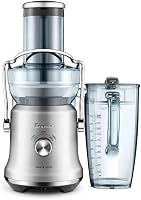
A typical centrifugal juicer has a motor base, juice bowl, strainer or blade assembly, lid, pusher, pulp container, and juice cup. Match each part to the diagram for your model rather than assuming every QCen unit uses the same layout.
Check that the strainer is seated evenly and that the pulp container aligns with its outlet. Keep the cord away from the counter edge and from wet areas.
If you’re new to this type of machine, what a centrifugal juicer is explains how it separates juice from pulp. The parts used in a centrifugal juicer can also help you recognize the main components.
How should you prepare produce for a QCen juicer?
Wash produce, remove parts the manual warns against, and cut pieces so they fit the chute without force. Preparation varies by food, so follow the QCen instructions for peels, pits, and seeds.
Rinse fruits and vegetables under running water and scrub firm produce with a clean brush. Remove stickers, damaged areas, and non-edible stems.
Take out pits from stone fruit and any hard seeds the manual says not to juice.
Cut large apples, beets, or other firm produce into manageable pieces. Leafy greens can be folded or rolled into compact portions if the manual permits them.
Don’t pack the chute tightly.
Some foods are poor fits for a centrifugal juicer. Very soft fruit may turn pulpy, while fibrous ingredients can collect around the strainer.
Check your model’s directions before trying foods that are stringy or unusually soft.
Should you peel produce before juicing?
Peel thick or tough skins when the manual recommends it. Thin edible skins may be suitable, but citrus rind and other bitter or hard peels can affect the juice.
Remove orange and grapefruit rinds while leaving the inner fruit if you want citrus juice in a centrifugal machine. A dedicated citrus press works differently: the BLACK+DECKER electric citrus juicer has reversing cones and adjustable pulp control for citrus halves.
How do you operate a QCen juicer safely?
Start the machine only after the lid and safety locks are secure, then feed produce gradually with the pusher. Never put fingers, utensils, or loose clothing into the feed chute while the motor is running.
Place a glass or juice container under the spout and set the pulp container in position. Plug the machine in with dry hands, select the setting listed in the manual for your ingredients, and switch it on.
Add a few pieces at a time. Use the pusher with light pressure; forcing food can strain the motor or jam the strainer.
If the machine vibrates heavily, makes an unusual sound, or stops moving produce, switch it off and unplug it before checking for a blockage.
The blade spins quickly to cut and separate produce. Read how a juicer blade works to understand why the strainer needs regular clearing and careful handling.
What if produce gets stuck?
Turn the juicer off and unplug it before clearing a jam. Wait for the blade or strainer to stop fully, then use the manual’s method to remove trapped food.
Don’t push harder with the pusher or reach into the chute while the machine is plugged in. If the juicer repeatedly jams with a food, stop using that ingredient and check whether the model supports it.
For a different centrifugal model, the steps in how to use a Hamilton Beach juicer show a similar feed-and-pusher routine. Parts aren’t interchangeable, so use QCen’s own instructions for your machine.
How do you clean a QCen juicer after juicing?
Unplug the juicer, take it apart as directed, and rinse removable parts before pulp dries. Follow the manual’s care guidance for washing and drying each component.
Empty the pulp container and rinse the bowl, lid, and pusher. Brush pulp from the strainer using a tool approved for your model, keeping fingers clear of the sharp cutting surface.
Wash parts by hand unless the manual confirms they are dishwasher-safe.
Wipe the motor base with a damp cloth and keep water away from its openings, plug, and cord. Dry the removable pieces fully before reassembly or storage.
Check the strainer for damage and the cord for wear before the next use. Don’t run the juicer if a part is cracked, loose, or does not lock in place.
What tools help with juicer cleanup?
Use the cleaning brush supplied with your machine, if it came with one, and avoid abrasive tools that can damage parts. A brush helps reach pulp in the strainer holes.
The Hamilton Beach centrifugal juicer includes a cleaning brush and dishwasher-safe removable parts. Its wide feed chute also accepts some whole produce, subject to size and preparation.
A citrus press is easier to clean when your task is squeezing citrus halves. The Zulay Kitchen cast iron juicer is a manual citrus press with a hand-wash care instruction.
How can you get a smoother juice from a QCen juicer?
Feed produce in a steady mix and strain the juice afterward if you want less pulp. A centrifugal juicer can leave foam or fine pulp, depending on the ingredients and the model.
Alternate firmer produce with softer items when the manual allows it. This can help move some soft ingredients through the strainer, though it won’t make every juice clear.
Pour slowly and let foam settle if you prefer to separate it.
Drink the juice soon after preparation or refrigerate it in a covered container. Wash the parts promptly so pulp and juice residue don’t dry onto the strainer.
What should you check before choosing a juicer?
Match the machine to the foods you plan to juice and the cleanup you’re willing to do. A centrifugal juicer handles a range of produce, while a citrus press is built around citrus halves.
For a similar electric workflow, the Hamilton Beach model offers a 3 in feed chute and dishwasher-safe removable parts. For oranges, lemons, and grapefruits only, the BLACK+DECKER uses a pitcher-style container and adjustable pulp control.
If you’re comparing alternatives, see our guide to best juicer under 200 dollars. Choose by food type, chute size, cleanup needs, and the instructions for the specific model.
What is the easiest routine for using a QCen juicer?
For everyday use, assemble the juicer, prepare produce, feed it gently, unplug it, and clean it right away. That order helps keep the machine stable and makes pulp easier to remove.
Follow your QCen manual whenever its steps differ from this general guide. Choose the Hamilton Beach if a large chute and included cleaning brush suit your routine, or a citrus press if you mainly juice citrus by hand.
Frequently asked questions
How do you assemble a QCen juicer?
Place the juicer on a stable, dry counter and assemble its bowl, strainer or blade unit, lid, pulp container, and juice container in the order shown in the QCen manual. Lock every safety latch before plugging it in.
Models can differ, so use the manual for the exact part order and fit.
Do you need to peel fruit before using a QCen juicer?
Remove thick, tough peels and any pits or hard seeds that the manual says to avoid. Wash produce and cut pieces to fit the feed chute without forcing them.
Thin edible skins can often stay on, but the right preparation depends on the fruit and the model instructions.
Can you put whole apples in a QCen juicer?
Only if the apple fits the chute and the QCen manual allows it. Cutting fruit into pieces reduces pressure on the feed opening and can make feeding easier.
Remove stems, pits, and hard seeds where appropriate, then use the pusher to guide pieces toward the blade.
How do you clean a QCen juicer after use?
Unplug the juicer, disassemble it as the manual directs, and rinse pulp from removable parts before it dries. Clean the strainer carefully with an approved brush, wash other parts according to their care instructions, and dry everything fully before storage.
Keep the motor base and cord out of water.