How to Use a Juicer Machine
To use a juicer machine, assemble it as the manual directs, prepare produce, feed it steadily, then unplug and clean the parts. Keep hands and utensils away from the feed opening while the motor runs.
On this page (8 sections)
- How do you use a juicer machine step by step?
- What should you check before assembling a juicer?
- How should you prepare produce for juicing?
- How do you feed ingredients without jamming the machine?
- How do you use a citrus juicer?
- What does a centrifugal juicer need?
- How do you clean a juicer after each use?
- How do you choose a juicer for fruits and vegetables?
To use a juicer machine, assemble it according to its manual, wash and prepare produce, feed it steadily, and clean the removable parts after juicing. Keep hands and utensils away from the feed opening while the motor runs.
The exact setup depends on the machine. A centrifugal juicer, a slow auger juicer, and a citrus reamer have different parts and feeding methods, so start with the instructions for your model.
How do you use a juicer machine step by step?
Set up the juicer, prepare the produce, juice it in manageable batches, and clean up right away. Check the manual before the first use and follow its order for locking parts, operating controls, and removing the pulp container.
- Place the juicer on a stable, dry surface near an outlet.
- Fit the bowl, strainer or filter, lid, pulp container, and juice container as directed.
- Wash produce and remove hard pits, seeds, or peels the manual excludes.
- Cut ingredients to fit the chute, unless the manual allows larger pieces.
- Run the machine and feed produce using its pusher, if supplied.
- Switch it off, unplug it, and clean parts before pulp dries.
If a part doesn't sit securely or the machine won't start, stop and check the instructions. Don't bypass a safety lock or force a component into place.
What should you check before assembling a juicer?
Check that the juicer is unplugged, the parts are clean, and the work area is dry. Lay out the parts so you can identify the base, juice bowl, strainer or auger, lid, pusher, and containers.
Follow the manual's assembly order. Many machines won't run unless the lid or locking arm is correctly positioned, and each design has its own safety features.
Use a juicer on a steady counter with space for the juice cup and pulp bin. Keep the cord away from wet areas, and don't let it hang where it could catch on a drawer or appliance.
How do you choose the right juicer setup?
Match the setup to the juicer type and the ingredients you plan to process. Centrifugal models use a spinning strainer, while slow juicers commonly press produce through an auger; citrus juicers use a reamer.
For a model example, read the Ninja NeverClog JC151 juicer review.
Our guide to different types of juicers explains how their mechanisms differ. For a press-style machine, see what a press juicer is and what the auger does in a juicer.
How should you prepare produce for juicing?
Wash produce, remove hard pits and unwanted parts, and cut pieces to fit the chute. Check your manual for guidance on peel, seeds, leafy greens, and any ingredients the machine can't handle.
Trim away bruised or damaged spots, then rinse fruits and vegetables under running water. Scrub firm produce with a clean produce brush when needed.
Remove pits from stone fruit and large seeds when the manual calls for it. Citrus peel can make juice bitter, so peel oranges or other citrus unless your recipe and juicer instructions say otherwise.
Some wide chutes fit larger pieces, but that doesn't mean every fruit should go in whole. Cut ingredients to a size that enters easily; never force food into the opening.
How do you feed ingredients without jamming the machine?
Feed ingredients at a steady pace, using the supplied pusher only when the manual calls for one. Let the juicer process each piece before adding the next, especially with dense produce or fibrous greens.
Don't put fingers, a spoon, or another utensil into the chute while the machine is running. If produce gets stuck, switch off and unplug the juicer before clearing it.
Alternate firm ingredients with softer ones if your manual recommends it. If the motor slows or the machine makes an unusual sound, stop and check the instructions instead of pushing harder.
For juice ideas that suit different ingredients, see what juices you can make in a juicer. If ginger is part of your plan, compare juicers for ginger root before choosing a machine.
How do you use a citrus juicer?
Cut citrus as directed, press or twist the fruit on the reamer, and collect the juice in its cup. Electric citrus juicers and manual reamers work differently, so follow the instructions for the one you have.
The BLACK+DECKER 32oz Electric Citrus Juicer has small and large cones, an adjustable pulp basket, and a clear container with measurement markings.
The OXO Good Grips 2-in-1 Citrus Juicer has removable reamers for small fruit such as lemons and limes, and larger fruit such as oranges and grapefruit.
Cut fruit across the middle and press the exposed side against the reamer. Avoid pressing so hard that the juicer shifts on the counter.
What does a centrifugal juicer need?
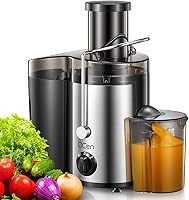
A centrifugal juicer needs a correctly seated strainer, a pulp container, and produce cut to fit its chute. Its spinning strainer separates juice from pulp as you feed ingredients through the opening.
The Hamilton Beach Centrifugal Juicer Machine With Big has a 3 in feed chute, a removable pulp bin, and a cleaning brush. Hamilton Beach says the chute fits a whole apple, a bunch of celery, or a handful of carrots.
Even with a wide chute, prepare produce as the manual directs. Keep the pusher aligned with the opening and never reach into the chute while the motor is on.
How do you clean a juicer after each use?
Unplug the juicer, take apart the removable pieces, and rinse them before pulp dries. Clean the strainer or filter with the tool and method recommended by the manual.
Some juicer parts are dishwasher safe, but that varies by model. Check the instructions before putting any component in a dishwasher, and keep the motor base away from water.
For a citrus juicer, remove pulp from the reamer and strainer, then wash the cup and spout. Dry all pieces fully before putting them away.
How do you choose a juicer for fruits and vegetables?
Choose a machine that suits the produce you juice and the prep and cleanup steps you can manage. A wide chute may reduce cutting, while removable parts and a cleaning brush can make cleanup more straightforward.
Compare options in our guide to the best juicers for fruits and vegetables. If you're deciding between two slow juicer brands, read Hurom vs Nama juicers for a focused comparison.
Use the manual as your guide for safe assembly, ingredient limits, and cleaning. If you're choosing a first machine, compare the best juicers for beginners.
For an easy start, choose produce that fits your juicer, feed it slowly, and rinse its parts as soon as you're done.
Frequently asked questions
Do you have to peel fruit before putting it in a juicer?
It depends on the fruit and the juicer. Remove pits, hard seeds, and any peel your manual says to avoid; citrus peel is often too bitter for juice.
Wash produce first, and cut pieces to fit the feed chute rather than forcing them into it.
Can you put a whole apple in a juicer?
Only if the feed chute and manual allow it. Some wide-chute centrifugal juicers can take a whole apple, while other machines need smaller pieces.
Remove the stem and any damaged areas, and never push fruit down with your fingers.
How do you clean a juicer after use?
Unplug the machine, disassemble the removable parts, and rinse them promptly so pulp doesn't dry in place. Use the brush and cleaning steps in the manual, and put parts in a dishwasher only if the manual says they are dishwasher safe.
Dry everything before storage.
Should you leave a juicer running while you add ingredients?
Follow the juicer manual for the correct start and feed sequence. Keep your hands and utensils out of the chute while it runs, and use only the supplied pusher if one is needed.
Turn the machine off and unplug it before clearing a jam.