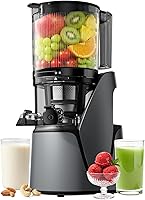
Types of Juicers: How to Choose
The main types of juicers are centrifugal, masticating or cold press, triturating, citrus, and manual press models. Choose by the produce you juice most, how quickly you want to work, and how much prep and cleanup you can manage.
On this page (9 sections)
- What are the different types of juicers?
- How does a centrifugal juicer work?
- What does a cold press or masticating juicer do?
- How is a triturating juicer different?
- When should you choose a citrus juicer?
- Is a blender a type of juicer?
- Which juicer fits your ingredients and routine?
- Which juicer is best for beets and carrots?
- How do you choose between juicer types?
The main different types of juicers are centrifugal, masticating or cold press, triturating, citrus, and manual press models. Choose by the produce you juice most, how quickly you want to work, and how much prep and cleanup you can manage.
A centrifugal model suits quick batches of many fruits and vegetables, while a masticating juicer is often considered for leafy greens and steady, slower extraction. Citrus juicers focus on lemons, limes, oranges, and grapefruit; blenders make thicker drinks that retain the blended pulp.
What are the different types of juicers?
Juicers differ by how they break down produce and separate juice from pulp. The mechanism shapes the speed, ingredients, preparation, and cleaning involved.
| Type | How it works | Often suits | Consider before choosing |
|---|---|---|---|
| Centrifugal | A fast-spinning cutter shreds produce, and a basket separates juice from pulp | Quick batches of firm produce and mixed ingredients | Feed-chute size, noise, pulp handling, and cleaning |
| Masticating or cold press | An auger crushes produce and presses it through a screen | Leafy greens, herbs, and slower feed routines | Smaller feed openings and more prep can add time |
| Triturating | Two gears crush produce before juice passes through a screen | Buyers seeking a twin-gear mechanism for varied produce | Cost, size, setup, and cleaning steps vary by model |
| Citrus | A reamer presses juice from cut citrus | Lemons, limes, oranges, and grapefruit | Fruit size, pulp preference, and whether you want manual or electric operation |
| Manual press | Hand or lever pressure extracts juice from produce placed in the press | Occasional batches and buyers who prefer a non-electric tool | Physical effort, press capacity, and the ingredients the press accepts |
The names can overlap. “Cold press” is often used for slow juicers that crush and press produce, while “masticating” describes the juicing action; check how each model works rather than choosing by label alone.
How does a centrifugal juicer work?
A centrifugal juicer shreds produce with a fast-spinning cutter and separates liquid from pulp in a basket. Its speed can make it convenient when you want a quick batch and the machine accepts the ingredients you use.
A wide feed chute can reduce how much you need to cut first. For example, the Hamilton Beach centrifugal model has a 3 in chute and an 80 oz pulp bin, according to its product details.
Centrifugal machines suit many firm fruits and vegetables, such as apples and carrots. Some models also accept leafy greens, but the result depends on the machine and ingredient, so check the specific guidance before buying.
The fast spinning mechanism can be louder than a slow juicer. Its basket and pulp bin also need cleaning after use, so check which removable parts are dishwasher safe and whether a cleaning brush is included.
Consider centrifugal if speed and a larger feed opening matter most. If you plan to juice mostly greens or herbs, compare the machine’s accepted ingredients and cleaning steps with a masticating option.
What does a cold press or masticating juicer do?
A masticating juicer uses an auger to crush and press produce through a screen. This slower action is one reason buyers often compare it for leafy greens, herbs, and mixed ingredients.
Feed openings on slow juicers are often smaller than those on centrifugal machines. You may need to cut produce into pieces and feed it steadily, which adds prep time but can give you more control over the flow.
For a model-specific walkthrough, see Ninja cold press juicer.
That example is an electric citrus juicer, not a cold press machine. It shows why identifying the mechanism matters: citrus reamers press cut fruit, while an auger-based juicer processes ingredients through a feed chute.
Read What Does the Auger Do in a Juicer? Explained to see how the auger moves produce through a slow juicer.
For steps and prep ideas, use our How to Cold Press Juice at Home: A Practical Guide.
Choose a masticating juicer if its ingredient range and slower workflow fit your routine. To compare two slow-juicer brands, see Hurom vs Nama juicers.
Compare the feed opening, screen, pulp handling, and cleaning instructions before deciding.
How is a triturating juicer different?
A triturating juicer uses two gears to crush produce before pressing it through a screen. It is a more specialized mechanism than a single-auger slow juicer, and each model can differ in size, setup, and care.
People who are comparing slow extraction methods may consider twin-gear machines for varied ingredients. However, the name alone does not show how a particular juicer handles a specific green, fruit, or vegetable.
Check whether the feed opening fits your usual produce, what parts need cleaning, and how much counter space the machine takes. If you mostly juice oranges or make a glass occasionally, a dedicated citrus tool may better match the job.
Choose by the ingredients you actually plan to process, then compare the manufacturer’s accepted produce and care instructions. Don’t assume a more complex mechanism means it will suit your kitchen better.
When should you choose a citrus juicer?
A citrus juicer is designed to ream citrus, not process whole fruits and vegetables. Manual models use hand pressure, while electric models rotate a reamer to extract juice from cut fruit.
The OXO Good Grips 2-in-1 Citrus Juicer has a small reamer for lemons and limes and a large reamer for oranges and grapefruit. Its measurement markings go up to 350 mL, and the reamers snap off for cleaning.
The BLACK+DECKER electric citrus juicer has small and large cones, adjustable pulp control, and a clear container that doubles as a pitcher. Its auto-reversing cones are designed to extract juice from citrus.
Pick manual if you want a simple tool for occasional citrus, or electric if you expect to juice larger batches and prefer powered reaming. For recipes with whole vegetables or apples, look at a centrifugal or slow juicer instead.
Is a blender a type of juicer?
A blender is not a juicer because it blends whole ingredients instead of separating juice from pulp. You can strain a blended drink afterward, but that adds a step and may leave some pulp in the liquid.
Choose a blender for smoothies or thicker drinks where you want the blended ingredients to stay in the glass. Choose a juicer when you want to separate liquid from much of the pulp during extraction.
You can also use a juicer to make a range of fruit and vegetable combinations. Our guide to juices to make in a juicer can help you think through ingredients before choosing a mechanism.
Which juicer fits your ingredients and routine?
Start with the ingredients you expect to juice most often, then check how much prep and cleanup you can handle. A machine that suits your actual routine is more useful than one chosen for a long feature list.
If you're choosing your first model, see the best juicers for beginners.
- Mostly citrus: Choose a manual or electric citrus juicer that fits the fruit sizes and pulp preference you have.
- Firm produce and quick batches: Compare centrifugal models by feed opening, pulp bin, and cleaning steps.
- Leafy greens and herbs: Consider masticating machines, and confirm the model accepts your ingredients.
- A slower, specialized mechanism: Compare triturating models by their accepted ingredients, counter space, and care routine.
- Smoothies with pulp: Use a blender, which blends rather than separates juice and pulp.
Our guide on how to buy a juicer walks through the buying checks, including machine type, size, and care. When you pick a model, read how to use a juicer machine for feed and cleanup basics.
A restaurant or juice bar has different volume needs from a home kitchen. Compare options in our guide to the best commercial juicer for restaurant.
Which juicer is best for beets and carrots?
For beets and carrots, compare juicers made to process firm produce, such as centrifugal and masticating models. Check the feed opening and the manufacturer’s ingredient guidance, since you may need to cut firm produce into smaller pieces.
A wide chute can reduce prep for ingredients that fit its opening. An auger-based model may require smaller cuts and steady feeding, so consider whether the slower routine suits your batch size.
Our best juicers for beets and carrots guide compares options for those firm vegetables. Follow the machine’s instructions for preparation and avoid forcing ingredients into the chute.
How do you choose between juicer types?
Choose a citrus juicer for citrus, a centrifugal model for faster batches, or a slow juicer when its ingredient range and pace fit your routine. If you prefer smoothies with pulp, a blender may be the better tool.
Before you decide, check the ingredients accepted, how much cutting they require, and which parts need cleaning. Pick the mechanism that matches your most common recipes and the time you want to spend making them.
Frequently asked questions
What are the different types of juicers?
The main types are centrifugal juicers, masticating or cold press juicers, triturating juicers, citrus juicers, and manual press juicers. They differ in how they extract juice, which produce they suit, and how much prep or cleanup they need.
Blenders make smoothies rather than separating juice from pulp.
Which type of juicer is best for leafy greens?
A masticating juicer is often a practical starting point for leafy greens because its auger crushes and presses produce through a screen. Check the model’s guidance for the greens you plan to use, and consider whether the slower feed and more involved cleanup fit your routine.
Is a cold press juicer the same as a masticating juicer?
Cold press is commonly used for juicers that slowly crush and press produce, often with an auger. Masticating describes that crushing action.
Names vary by brand, so compare the mechanism, feed opening, accepted ingredients, and cleaning steps instead of relying on the label alone.
Can a citrus juicer juice apples or carrots?
A citrus juicer is made to ream citrus fruit, such as lemons, limes, oranges, or grapefruit. It does not replace a machine that processes whole fruits and vegetables like apples or carrots.
Choose an electric or manual citrus model based on the fruit sizes and juice volume you expect.
Can a blender replace a juicer?
A blender can make a drink from whole produce, but it keeps the blended pulp unless you strain it. A juicer separates liquid from much of the pulp during extraction.
Choose a blender for thicker smoothies and a juicer when you want juice separated from the fiber.