Pulp vs No Pulp Orange Juice: Which Should You Choose? (November 2026)
Choose pulp orange juice for a thicker texture and no-pulp juice for a smooth sip. Labels tell you whether pulp is included, while the best choice depends on what you enjoy and how you plan to use the juice.
On this page (6 sections)
Choose orange juice with pulp for a thicker sip and no-pulp juice for a smoother one. The pulp vs no pulp orange juice decision is mainly about texture, the label and how you plan to serve it.
Pulp gives juice visible bits and a fuller feel. No-pulp juice is smoother, which some people prefer for drinking straight or mixing into a recipe.
The products below include a clearly labeled no-pulp orange juice and several orange-forward blends. The blends are not described as pulp-control choices, so check their packaging if pulp level is a deciding factor.


Pulp vs no pulp orange juice: what changes?
The main difference is texture: pulp adds small pieces of orange material, while no-pulp juice is filtered for a smoother drink. The amount of pulp can vary between brands and products.
Some labels use terms like “some pulp” or “lots of pulp.” Those phrases can help you compare, but they don't give a standard amount.
A pulp preference doesn't tell you whether a juice is from concentrate, sweetened or blended with other fruit juices. Read the ingredients and nutrition facts separately to answer those questions.
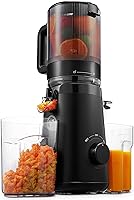
If you make juice at home, the filter and juicer design affect how much pulp remains. How a juicer separates juice from pulp explains the role of the strainer and pulp outlet.
What does “no pulp” mean on an orange juice label?
“No pulp” means the juice is intended to have a smooth texture without noticeable orange pieces. Odwalla describes its 100% orange juice as no pulp and says it is made with one ingredient: Valencia oranges.
That label doesn't make a claim about every other part of the juice. Check the ingredient list for the juice source, and check the nutrition facts for serving information.
Does pulp mean fresh-squeezed?
No. Pulp describes texture, not the processing method.
A juice can contain pulp whether it's made at home or bought in a package.
Look for separate language about pasteurization, concentrate or ingredients when those details matter to you. Don't use pulp level as a shortcut for judging those qualities.
Which texture should you choose?
Choose pulp if you like a thicker texture and bits of orange; choose no pulp if you want a smooth, consistent drink. Your preference may also depend on what you serve with the juice.
Pulp can make a glass feel closer to eating the orange, while no-pulp juice slips easily into a glass or recipe. Neither style is automatically the better choice.
If other people in your household have different preferences, keep both styles available or let each person strain their own glass. A fine mesh strainer can remove more pulp from a juice that includes it.
Who may prefer orange juice with pulp?
Pulp suits drinkers who enjoy a thicker sip or want some texture in the glass. It can also work in smoothies, where the other ingredients may mask or complement the small pieces.
The label may say “some pulp,” “lots of pulp” or simply “with pulp.” If you have a strong preference, look for a clear description instead of assuming all pulp-included juices feel the same.
Who may prefer no-pulp orange juice?
No-pulp juice suits people who prefer a smooth texture or want juice that blends evenly into drinks. Odwalla 100% Pure Orange Juice No Pulp is one option to consider.
A no-pulp label doesn't mean the juice is low in sugar or calories. Check the nutrition facts if those details matter to your decision.
How should you read orange juice labels?
Use the front label to identify pulp level, then check ingredients and nutrition facts for the details that pulp wording leaves out. This helps you compare texture without confusing it with juice type.
First, look for a direct pulp description. If none appears, the label may not answer your texture question clearly.
Next, check whether the drink is 100% orange juice or a blend. Tropicana 100% Juice Orange Blend combines orange, pear, apple and lemon juices from concentrate with natural flavors, so it differs from a single-ingredient orange juice.
Then review added sugar statements and the nutrition panel. “No added sugar” does not mean a drink has no naturally occurring sugars or calories.
What if the label doesn't say whether there is pulp?
Look for a product description that spells out the texture. If you still can't confirm it, choose a clearly labeled option or contact the brand before buying.
Don't infer pulp level from a juice's color, bottle shape or “fresh” wording. Those details don't reliably tell you how much pulp is in the drink.
Does pulp affect how you use orange juice?
No-pulp juice is easy to pour into smooth drinks, while pulp can add texture to a glass or recipe. The best fit depends on whether you want the pulp to show up in the finished drink.
For smoothies, either type can work. No-pulp juice keeps the liquid smooth, while pulp can add a slightly thicker feel; the blender also breaks down some of the texture.
For mocktails and cocktails, pick the style that suits the drink. A clear, smooth mixture may be easier with no-pulp juice, while pulp can make a casual drink feel more substantial.
A blend can shift the flavor beyond orange. V8 +Energy Passionfruit Orange Guava combines those fruit flavors with a vegetable juice blend and caffeine from black and green tea.
Dole Pineapple Orange Juice pairs orange with pineapple in small cans. The brand suggests serving it chilled or using it in smoothies and mixed drinks.
If you want a fresh glass at home, estimate how much fruit to buy before choosing a juicing routine. How much juice one orange makes can help you plan the amount.
Can a juicer give you more or less pulp?
A juicer may separate more pulp depending on its filter and settings, but pulp level is not the same feature as juice yield. Check the machine's design and any adjustable pulp control before you choose one.
Some citrus juicers use a strainer that catches pulp. Other juicers have settings or filters designed to let more pulp through.
If you prefer a smoother glass, a juicer with a finer filter or a strainer can help. For a more pulpy result, look for adjustable controls or a way to return some pulp to the juice.
See the best juicers for less pulp if your priority is a smoother homemade juice. If you want to adjust the texture yourself, compare juicers with pulp control before buying.
For a different way to compare juice ingredients and form, our guide to beet powder vs beet juice shows how to think through a choice beyond texture alone.
Which should you choose?
Pick pulp if you enjoy a thicker texture, and pick no pulp if you want a smooth glass or recipe. Check the label for pulp level, then use the ingredient list and nutrition facts to compare the juice itself.
For a clearly labeled smooth option, Odwalla 100% Pure Orange Juice No Pulp is made with Valencia oranges and has no added sugar. For portable portions or mixed fruit flavors, the Tropicana, V8 and Dole options serve different purposes, but none is identified here as a pulp-control juice.
If you are comparing a specific packaged brand, see is Simply Orange juice good for you? for a separate look at its ingredients and nutrition details. Choose the texture you like first, then compare the label details that matter to you.
Frequently asked questions
Is orange juice with pulp better than no-pulp juice?
Neither style is best for everyone. Orange juice with pulp has a thicker texture and visible bits of fruit, while no-pulp juice feels smoother.
Choose by taste and how you plan to serve it, then read the label to confirm the juice matches your preference.
Does orange juice with pulp have more fiber?
Pulp contains some of the orange's solid material, but the amount can vary by juice and how much pulp remains. Check the nutrition facts on the specific carton if fiber matters to your choice; the words “with pulp” alone don't tell you the amount.
How can you tell if orange juice has pulp?
Look for wording such as “with pulp,” “some pulp” or “no pulp” on the package. If the label doesn't make the texture clear, check the product description or choose a juice whose pulp level is stated plainly.
Can you use no-pulp orange juice in smoothies?
Yes. No-pulp juice adds orange flavor and liquid without visible pulp pieces, which can suit a smoother blend.
You can also use orange juice with pulp if you want a thicker texture; adjust the other liquid to keep the smoothie at your preferred consistency.
Can a juicer control how much pulp is in orange juice?
Some juicers offer pulp control, while others separate much of the pulp by design. Check the juicer's features and how its filter works before buying.
If you already own a juicer, try its settings or strain the juice to adjust the texture.