What Are the Best Fruits and Vegetables for Juicing?
The best fruits and vegetables for juicing are produce you enjoy, with enough juice and a flavor balance you like. Apples, citrus, cucumbers and carrots are approachable starters; leafy greens, celery and beets bring stronger flavors and different prep needs.
On this page (6 sections)
- What are the best fruits and vegetables for juicing?
- How do you choose produce by flavor and juice yield?
- How should you prepare fruits and vegetables for juicing?
- Which juicer fits the produce you want to use?
- What fruit and vegetable combinations are easy to start with?
- How do you choose the best produce for your juicer?
The best fruits and vegetables for juicing are the ones that balance flavor, juice yield and the preparation your juicer requires. Apples, oranges, cucumbers and carrots are approachable starting points; leafy greens, celery and beets add more distinct flavors.
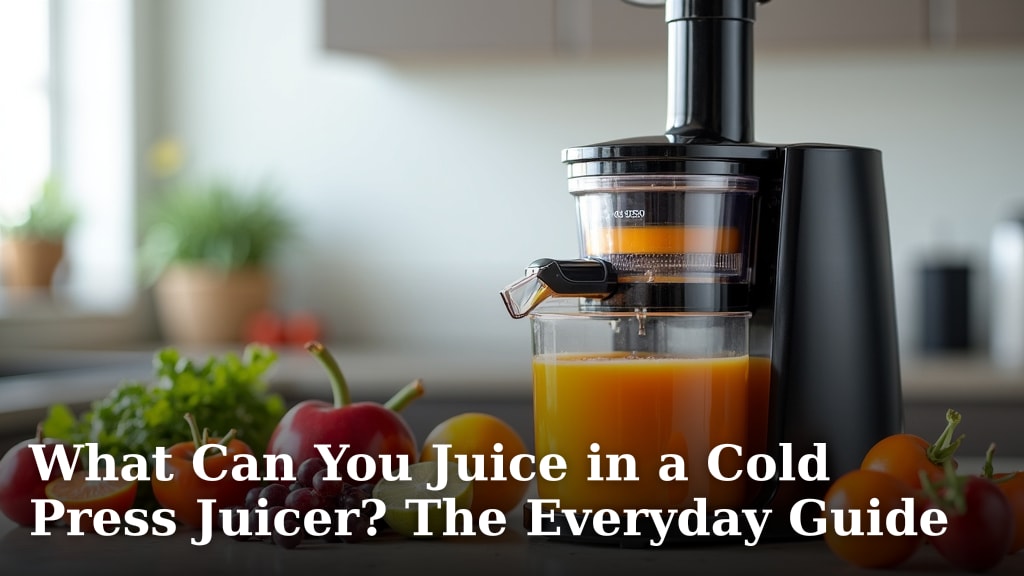
For a first blend, pair a familiar fruit with a mild vegetable, then adjust one ingredient at a time. Your juicer type matters too: see what you can juice in a cold press juicer before choosing produce for that machine.
What are the best fruits and vegetables for juicing?
Apples, oranges, cucumbers and carrots make useful starting ingredients because they offer familiar flavors and can work alone or in blends. Choose ingredients based on the taste you want, then check how much trimming and cutting your juicer requires.
| Produce | Flavor in juice | Preparation to consider |
|---|---|---|
| Apples | Sweet or tart, depending on variety | Remove seeds if your juicer manual calls for it; cut to fit the chute |
| Oranges | Bright and sweet or tangy | Peel thick rind; a citrus reamer may be simpler |
| Cucumbers | Mild and watery | Wash and cut to fit the feed opening |
| Carrots | Sweet and earthy | Scrub well and cut if needed |
| Celery | Savory and herbal | Wash stalks and cut to the machine's recommended size |
| Spinach | Mild green flavor | Rinse and feed according to the juicer instructions |
| Kale | Strong, leafy flavor | Remove tough stems if needed and use a small amount at first |
| Beets | Earthy and sweet | Scrub, trim and cut into manageable pieces |
These descriptions are taste guidance, not a promise of a specific yield. Freshness, produce size and juicer design all affect how much liquid ends up in the glass.
Which fruit is best for juicing?
Apples are a flexible fruit to juice because they can be paired with greens, carrots or celery, and their sweetness can soften a sharper ingredient. Oranges work well when you want a citrus-forward drink, though peeling and juicing them may call for a different tool than a whole-produce juicer.
For a texture choice, see pulp versus no-pulp orange juice.
Pears, pineapple and grapes can also add sweetness or tang when your machine accepts them. Use modest amounts at first so the drink does not become much sweeter than you intended.
Which vegetables are good for juicing?
Cucumber and celery are good choices when you want a mild, less sweet base. Carrots suit a sweeter, earthy blend, while spinach, kale and beet bring stronger flavors that are easier to manage in small amounts.
Leafy greens can be compact and fibrous, so follow the machine's directions for feeding them. If you prefer wheatgrass in powder form, compare wheatgrass powder forms.
For more ideas by ingredient and machine type, read What Can You Juice in a Cold Press Juicer? The Everyday Guide.
For a model comparison, see our Ninja NeverClog juicer review.
How do you choose produce by flavor and juice yield?
Build a blend around one main flavor and one supporting ingredient. A mild, watery produce choice can stretch a stronger fruit or vegetable, while a tart or earthy ingredient can make a sweet blend taste less one-note.
| If you want… | Try starting with… | Add a small amount of… |
|---|---|---|
| A mild, fresh taste | Cucumber | Apple or celery |
| A sweet, familiar juice | Apple or carrot | Spinach or celery |
| A bright citrus flavor | Orange | Carrot or a little beet |
| A greener taste | Cucumber or celery | Spinach or kale |
| A more earthy blend | Carrot | Beet or apple |
The combinations are starting points, not fixed recipes. Taste as you go when possible, and keep notes if you want to make the same blend again.
Yield is different from flavor. Cucumber and celery are watery, so they can contribute liquid without dominating a blend.
A leafy handful may add a noticeable green taste without much volume. Results vary with the produce and the juicer, so begin with a small batch.
What is the best fruit to juice with leafy greens?
Apple is a useful fruit to pair with leafy greens because its sweetness can soften their grassy or bitter notes. For variety guidance, see which apples are best for juicing.
Try one handful of spinach with apple and cucumber, then increase the greens gradually if you want a stronger vegetable flavor.
Kale has a bolder taste than spinach, so begin with less and add more only if you like the result. Citrus can brighten a green blend, but remove thick peel before using a whole-produce juicer.
How should you prepare fruits and vegetables for juicing?
Wash all produce under running water and remove damaged areas before juicing. Cut ingredients to fit your machine and remove pits or hard stones unless the manufacturer specifically says the juicer can handle them.
Preparation varies by ingredient and machine:
- Remove thick citrus rind when using a whole-produce juicer; a reamer is designed to press cut citrus.
- Trim the leafy ends or tough stems if your machine's instructions recommend it.
- Cut long celery stalks and large produce to the size the feed opening accepts.
- Scrub firm vegetables such as carrots and beets, then trim their ends.
- Remove pits from stone fruit and cores or seeds when your machine's manual advises it.
Do not push produce into a feed chute with your fingers. Use the pusher supplied with the juicer and follow its safety instructions.
For model-specific steps, read how to use a Ninja cold press juicer.
If you are new to the process, How to Cold Press Juice at Home: A Practical Guide covers a simple home workflow.
For a different pressing method, How Does Slow Juicing Work? What Actually Happens explains the basic process.
Which juicer fits the produce you want to use?
A juicer should suit your regular ingredients and the amount of preparation you are willing to do. Choose a citrus reamer for citrus-only juice, or a whole-produce juicer if you want to process a wider mix of fruits and vegetables.
For a broader comparison, see our guide to different types of juicers.
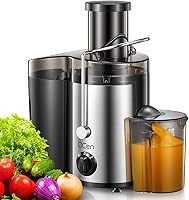
The Hamilton Beach Centrifugal Juicer Machine With Big has a 3-inch feed chute for whole apples, celery bunches or handfuls of carrots, which can reduce pre-cutting for those ingredients.
For oranges, lemons and other citrus, an electric reamer or manual reamer can be a simpler fit. The BLACK+DECKER 32oz Electric Citrus Juicer has adjustable pulp control and a clear container with measurement marks.
The OXO Good Grips 2-in-1 Citrus Juicer has small and large reamers for different citrus sizes, with measurement marks up to 350 mL.
Compare the best juicers for fruits and vegetables if you want a machine for more than citrus. If you are still deciding between styles, use how to buy a juicer to match the machine to your ingredients and routine.
What fruit and vegetable combinations are easy to start with?
Start with one fruit and one vegetable, then change the ratio to suit your taste. These simple pairings use familiar produce and keep the ingredient list short.
- Apple and cucumber: mild, sweet and fresh.
- Orange and carrot: bright citrus with an earthy sweetness.
- Apple and spinach: fruit sweetness with a gentle green taste.
- Cucumber and celery: a mild, savory blend.
- Apple and beet: sweet fruit alongside an earthy vegetable.
Wash and prep each ingredient for your juicer. If one flavor dominates, use less of it next time rather than adding several new ingredients at once.
How do you choose the best produce for your juicer?
Pick citrus reamers for citrus drinks and a whole-produce machine when you want to juice apples, carrots, greens or mixed ingredients. Choose produce you already enjoy, combine mild and bold flavors gradually, and check your machine's preparation guidance before feeding unfamiliar ingredients.
For citrus-only juice, the BLACK+DECKER offers an electric reamer and adjustable pulp control, while the OXO has two removable reamers for small and large citrus.
For a broader produce mix, the Hamilton Beach's large feed chute fits several whole ingredients. For more citrus juicer details, see our best easy to clean juicer guide and Kuvings AUTO10 juicer review.
Related choices also depend on how the juicer works.
Read Why Is It Called Cold Press Juicing? A Down to Earth Guide if you want to understand that method before choosing your produce routine.
Frequently asked questions
What is the best fruit to juice for beginners?
Apples and oranges are familiar starting points because their flavors are easy to recognize and they can be juiced alone or paired with vegetables. Wash and prepare them for your juicer, and check whether the model needs fruit cut smaller or peeled first.
What vegetables give the most juice?
Juice yield varies with produce freshness, variety, size and juicer design, so there is no single vegetable that always gives the most. Cucumbers and celery are often useful for a mild, watery base, while carrots and beets make a more concentrated tasting juice.
Can you juice leafy greens with fruit?
Yes, many juicers can process leafy greens, and fruit can soften their strong or bitter taste. Try a small amount of spinach or kale with apple or citrus, then adjust the balance; check your juicer's instructions for preparing leaves and feeding them safely.
Should you peel fruit before juicing?
Peel thick or bitter skins, such as citrus rind, and remove pits or stones that your juicer cannot handle. Thin edible skins may be left on when clean and suitable for your machine, but follow its manual and wash all produce first.
Does fruit juice need vegetables for balance?
No, you can juice fruit on its own, but adding cucumber, celery or leafy greens can reduce the sweetness and add a fresher or more savory flavor. Start with more of the flavor you like, then add small amounts of stronger vegetables until the blend tastes right.